Unlocking the Benefits of VA Home Loans Affordable Homeownership for Military Families

VA Loan Usage Surges in 2025 Driven by Younger Buyers

VA home loan usage is surging in 2025—and younger veterans are leading the charge.

After a slower period during peak interest rates, the VA Loan program has rebounded strongly, with Gen Z and Millennial service members using their benefits earlier and more strategically than past generations.

This shift isn’t just a trend—it’s reshaping the future of veteran homeownership.

VA Loan Usage Is Rising Again in 2025

According to recent mortgage industry data, VA loan originations increased significantly in 2025, reversing the declines seen in 2023–2024.

Key drivers include:

  • Stabilizing mortgage rates
  • More flexible seller negotiations
  • Increased awareness of VA loan advantages
  • Younger buyers entering prime home-buying years

For the first time, veterans under 35 now represent one of the fastest-growing VA buyer segments nationwide.

Why Younger Veterans Are Using VA Loans Earlier

1. $0 Down Is a Game-Changer

Younger buyers face higher rents and slower savings growth. VA loans eliminate the largest barrier to entry:

  • No down payment required
  • No private mortgage insurance (PMI)
  • Lower interest rates than conventional loans

This allows veterans to buy sooner instead of renting longer.

2. Gen Z and Millennials Are More Financially Informed

Younger service members are:

  • Researching benefits online earlier
  • Using VA loan calculators and AI tools
  • Comparing VA loans vs conventional or FHA options

Many realize that waiting to “save 20%” isn’t necessary when they’ve already earned a VA entitlement.

3. PCS Moves Make Renting Less Appealing

With frequent relocations, younger military families increasingly view renting as a short-term loss.

VA loans allow:

  • Buying with minimal cash
  • Renting the property later (house hacking)
  • Building equity even during short assignments

This strategy is especially popular in high-cost markets like Hawaiʻi, California, and Texas.

VA Loans vs Conventional Loans for Younger Buyers

FeatureVA LoanConventional Loan
Down Payment$0 required3-20%
PMINoneRequired under 20%
Credit FlexibilityMore lenientStricter
RatesTypically lowerHigher
EligibilityVeterans & Active dutyGeneral Public

What This Means for the Housing Market

The rise in younger VA buyers is:

  • Increasing VA loan market share
  • Encouraging sellers to accept VA offers again
  • Pushing lenders to modernize VA loan processing
  • Shifting VA loans from “last resort” to “first choice”

As inventory improves, VA buyers are becoming more competitive—even without cash down.

Common Questions About VA Loans in 2025 (FAQ)

Are VA loans harder to get approved?

No. VA loans often have more flexible credit guidelines than conventional loans.

Can first-time buyers use VA loans?

Yes. Many VA buyers in 2025 are first-time homeowners under age 35.

Are VA loans still competitive in today’s market?

Yes. With seller concessions, rate buydowns, and no PMI, VA loans remain highly competitive.

Can I use my VA loan more than once?

Yes. VA loans are reusable, and many younger buyers plan multiple uses over time.

Why This Matters for Veterans in Hawaiʻi and High-Cost Markets

In expensive housing markets, VA loans provide a unique edge:

  • $0 down reduces upfront cost
  • Lower monthly payments improve affordability
  • No PMI saves hundreds per month

For younger veterans, waiting often costs more than buying.

Final Takeaway: VA Loans Are No Longer “Later in Life” Benefits

The surge in VA loan usage in 2025 proves one thing:

Younger veterans are no longer waiting—they’re buying smart and early.

As Gen Z and Millennial service members take control of their financial futures, VA loans are becoming the preferred path to homeownership, not a backup option.

If you’re a veteran or active-duty service member wondering when—or if—you should use your VA loan, learning your options early can make a major difference. Understanding how VA loans work today helps you make smarter decisions tomorrow.

Waterfront Plaza with adjacent high rise buildings in Honolulu,

If you already have a VA loan on your home in Hawaiʻi, refinancing with the VA IRRRL (Interest Rate Reduction Refinance Loan) can be one of the fastest and easiest ways to lower your monthly payment — without a new appraisal, income checks, or major paperwork.

Many Hawaiʻi homeowners use an IRRRL during rate drops or when they want to reduce monthly payments to match BAH, decrease long-term interest costs, or stabilize their budget during a PCS.

This guide breaks everything down so you can decide if a VA refinance makes sense for you right now.

What Is the VA IRRRL (VA Streamline Refinance)?

The IRRRL (often called the VA Streamline) is a simplified refinance program for military families and veterans who already have a VA loan.

What makes it “streamlined”?

  • No appraisal required
  • No income verification
  • Minimal documentation
  • Fast approval process (often 1–3 weeks)
  • Low closing costs
  • Can roll costs into the loan

This is the easiest refinance option available in the mortgage world — and it’s only for those with an existing VA loan.

Signs a VA IRRRL Might Make Sense for You

Here are the most common reasons homeowners choose a VA streamline refinance in Hawaiʻi.

1. Mortgage Rates Have Dropped

If current rates are lower than your existing VA loan rate, refinancing could reduce your payment immediately.

Even a 0.50% drop can save hundreds per month on higher-priced Hawaiʻi homes — especially VA jumbos.

2. You Want a Lower Monthly Payment

As BAH adjusts annually and Hawaiʻi living costs change, many families use an IRRRL to:

  • Lower their mortgage payment
  • Free up cash flow
  • Make housing costs more manageable

Even a small payment reduction can make a big difference over time.

3. You Want to Switch From an ARM to a Fixed Rate

If you currently have a VA Adjustable-Rate Mortgage, an IRRRL allows you to move into a stable fixed rate with minimal documentation.

This protects you from future rate increases.

4. You Want a More Predictable Budget Before PCS

Service members preparing for PCS often want:

  • A lower mortgage payment
  • A stable long-term rate
  • A more attractive property for renting

An IRRRL can reduce payment pressure and improve rental cash flow if you plan to keep the home.

5. You Want to Remove or Reduce Funding Fees From a Previous Loan

If you were eligible for a funding fee exemption (due to disability rating) but didn’t claim it at the time of your original loan, refinancing allows you to avoid future funding fees.

How an IRRRL Works (Simple Breakdown)

Here’s what the VA streamline refinance process looks like:

Step 1: Talk to a VA lender

Your lender will compare your current rate and payment to new options.

Step 2: Confirm you meet IRRRL guidelines

You must already have a VA loan and be refinancing into a new VA loan.

Step 3: Skip the appraisal (in most cases)

This is a major advantage for Hawaiʻi homes where values fluctuate.

Step 4: Choose whether to roll closing costs into the loan

Most military families do — keeping cash in their pocket.

Step 5: Close quickly

The entire refinance can be done in as little as two weeks.

VA IRRRL Requirements (Much Easier Than You Think)

You generally need:

  • An existing VA loan
  • A history of on-time mortgage payments
  • A financial benefit (lower payment or improved structure)
  • To refinance into another VA loan

No income documents needed

No tax returns.
No paystubs.
No employment verification.

No appraisal needed

A big advantage in Hawaiʻi’s competitive and high-priced markets.

IRRRL vs Cash-Out Refinance (Important Difference)

IRRRL (Streamline)

  • Lower rate/payment
  • Fast and simple
  • No cash back
  • No appraisal needed

VA Cash-Out Refinance

  • Allows you to tap into home equity
  • Requires appraisal
  • More documentation
  • Can pay off debt or fund repairs

Most Hawaiʻi homeowners choose the IRRRL when they simply want lower payments.

How Much Can an IRRRL Save You? (Hawaiʻi Example)

Let’s say:

  • Your current rate: 6.5%
  • New available rate: 5.25%
  • Loan amount: $900,000 (common on OÊ»ahu)

Your payment drop could be around:

  • $500–$700 per month
  • $6,000–$8,000 per year
  • Tens of thousands in long-term savings

Even a small rate reduction goes a long way on a Hawaiʻi loan balance.

When You Should Not Do an IRRRL

An IRRRL may not make sense if:

  • Your rate reduction is extremely small
  • You plan to sell very soon
  • You already have a very low rate
  • Rolling costs into the loan would negate savings

A trusted VA lender will help you run the numbers before recommending anything.

FAQ: VA Refinancing in Hawaiʻi (IRRRL Guide)

1. Do I need to live in the home to use an IRRRL?

No — occupancy rules are easier.
You only need to certify past occupancy, not current occupancy.

2. Does the IRRRL require an appraisal?

Usually no.
Most VA streamline refinances skip the appraisal entirely.

3. Can I refinance a VA jumbo loan in Hawaiʻi?

Yes — VA jumbos can also be refinanced through an IRRRL.

4. Can I get cash out with an IRRRL?

No.
If you want cash back, you need a VA cash-out refinance, not an IRRRL.

5. Are closing costs required upfront?

Not necessarily.
Most homeowners roll costs into the new loan, keeping cash in their pocket.

6. How fast does a VA IRRRL close?

Many close within 10–21 days, making it one of the fastest refinance products available.

7. Does the IRRRL lower my payment automatically?

The VA requires a net tangible benefit, which usually means a lower payment — but sometimes it’s a more stable structure (ARM → fixed).

8. Does my credit score matter for an IRRRL?

There is no minimum credit score requirement from the VA, though lenders often apply their own internal guidelines.

Final Takeaway: An IRRRL Is the Easiest Way for Hawaiʻi Veterans to Lower Their Mortgage Payment

If you want:

  • A lower interest rate
  • A lower monthly payment
  • A faster process
  • No appraisal
  • No income checks
  • A simple, stress-free refinance

The VA IRRRL is your best option.

It’s one of the most powerful benefits available to Hawaiʻi homeowners with VA loans.

Ready to See If an IRRRL Makes Sense for You?

I can help you compare your current loan to new rates in minutes — no pressure, no confusion.

Check your VA refinance eligibility
Start your VA streamline refinance today

Clear guidance. Fast answers.
Your savings start with one simple step.

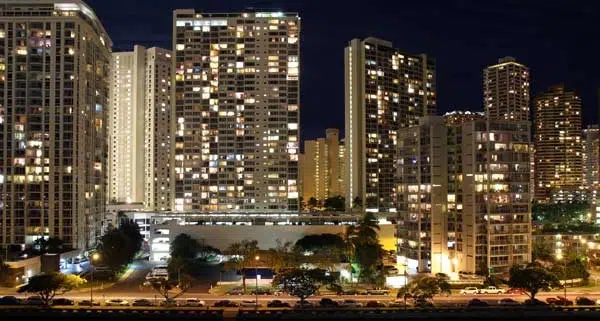
Skyscrapers and partial skyline of Honolulu, Hawaii, at night

If you’re a veteran or military family in Hawaiʻi, choosing between a VA loan and a conventional loan can impact everything from your monthly payment to how fast you can get into a home.

Hawaiʻi’s high cost of living makes this decision even more important. While both loan types have advantages, the VA loan often gives veterans far more buying power — especially on Oʻahu, Maui, Kauaʻi, and the Big Island.

This side-by-side comparison breaks down everything you need to know so you can choose confidently and take full advantage of the benefits you earned.

VA vs Conventional Loans in Hawaiʻi: Quick Comparison Table

FeatureVA LoanConventional Loan
Down Payment$0 down3%–20%+
PMI (Mortgage Insurance)NoneRequired if <20% down
Credit RequirementsMore flexibleStricter
Interest RatesOften lowerUsually higher
Loan LimitsNo limit w/ full entitlementSubject to conforming limits
Closing CostsFlexible, seller can pay 4%Limited seller credits
Best ForVeterans & military familiesCivilian borrowers

1. Down Payment Requirements: VA Dominates in Hawaiʻi

Conventional loans typically require:

  • 3% down for first-time buyers
  • 5–20%+ for most purchases
  • 20% down to avoid PMI

In Hawaiʻi, where many homes cost $800k–$1.2M, that’s a massive amount to save.

With a VA loan:

  • No down payment
  • Even on homes above $1M (with full entitlement)
  • Even on VA jumbo loans

For military families priced out of mainland-style down payments, this is a game-changer.

2. PMI (Mortgage Insurance): One of the Biggest Differences

PMI is a monthly fee conventional buyers pay when they put less than 20% down.

For a $900,000 home in Hawaiʻi:
PMI can easily add $400–$700/month to the payment.

With a VA loan:

  • No PMI — ever
  • Even with 0% down
  • Saves thousands per year

This is one of the top reasons VA wins in Hawaiʻi’s high-cost market.

3. Interest Rates: VA Usually Wins

VA loans typically offer lower interest rates than conventional mortgages because they’re backed by the Department of Veterans Affairs.

In many cases, VA loan rates are 0.25%–0.75% lower than conventional rates.

That difference can save a Hawaiʻi buyer:

  • Hundreds per month
  • Tens of thousands over the loan’s life

4. Loan Limits: VA Is More Flexible in Hawaiʻi

Conventional loans follow conforming loan limits.
VA loans follow different rules:

VA Loan Limits

  • With full entitlement → NO loan limit
  • With partial entitlement → county limits apply

This means veterans can buy homes ABOVE county limits with no down payment.

Conventional loans don’t offer anything close to this flexibility.

5. VA Jumbo Loans vs Conventional Jumbo Loans

In Hawaiʻi, jumbo loans are common due to high home prices.

  • Conventional jumbo loans require:
  • Higher credit scores
  • Larger down payments (often 20%)
  • Tighter underwriting

VA jumbo loans allow:

  • $0 down (with full entitlement)
  • Lower rates
  • Easier qualification than conventional jumbo loans

This is a massive advantage for buyers on Oʻahu, Maui, and Kauaʻi.

6. Credit Requirements: VA Is More Forgiving

Conventional lenders often want:

  • 700+ credit scores for best rates
  • 660+ for standard approvals

VA loans allow:

  • Mid-500s to low-600s depending on lender
  • More flexibility for past credit events
  • Rapid rescore improvements

This helps military families who have moved often or had temporary financial hits.

7. Closing Costs: VA Sellers Can Pay More

Conventional sellers can contribute only limited credits.

With a VA loan:

Sellers can pay up to 4% toward:

  • Closing costs
  • The VA funding fee
  • Rate buydowns
  • Prepaids
  • Temporary 2–1 buydowns

This can reduce upfront costs dramatically.

8. Appraisal Differences: VA Protects the Buyer

VA appraisals have two goals:

  1. Ensure the home meets basic safety and condition standards
  2. Prevent buyers from overpaying in inflated markets

VA appraisers often move faster in Hawaiʻi because they regularly work with military buyers.

Conventional appraisals can be slightly looser in condition but offer less buyer protection.

9. Refinancing Options: VA IRRRL Is a Huge Advantage

The VA IRRRL (Interest Rate Reduction Refinance Loan) makes refinancing easy:

  • No appraisal (in many cases)
  • No income verification
  • No re-underwriting
  • Faster approvals
  • Low costs

Conventional refinances require much more documentation and stricter qualification.

10. Which Loan Helps You Buy Faster in Hawaiʻi?

Because the VA loan offers:

  • $0 down
  • No PMI
  • Lower rates
  • Higher buying power
  • Fewer cash requirements

It is almost always the faster path to homeownership for veterans and military families in Hawaiʻi.

FAQ: VA vs Conventional Loans in Hawaiʻi

1. Is a VA loan always better than a conventional loan in Hawaiʻi?

For most veterans, yes.
Lower payments, no PMI, and $0 down make VA loans the superior choice in high-cost markets.

2. Can I use a VA loan more than once?

Yes — you can use your VA loan multiple times and even restore entitlement after selling or refinancing the previous VA loan.

3. Are VA loans slower to close than conventional loans?

No.
VA loans often close in 21–30 days with an experienced lender.

4. When is conventional better?

Conventional loans may be better if:

  • You’re making a large down payment (20%+)
  • You want to avoid the VA funding fee
  • You’re buying an investment property (VA is for primary residence only)

5. Can I switch from conventional to VA later?

Yes, if the property becomes your primary residence and you meet VA eligibility.

Final Takeaway: VA Loans Give Hawaiʻi Veterans the Strongest Buying Power

For most military families, the VA loan is simply the smarter, faster, more affordable choice:

  • $0 down payment
  • No PMI ever
  • Lower monthly payments
  • Flexible guidelines
  • Stronger buying power in HawaiÊ»i
  • Access to VA jumbo loans

If you’re eligible for the VA loan, it should almost always be your first option.

Ready to Find Out Which Loan Is Best for You?

I can help you compare your exact VA vs conventional numbers in minutes — personalized to Hawaiʻi’s unique market.

See how much VA loan you qualify for
Start your fast VA pre-approval

No pressure — just clear guidance from a Hawaii VA loan specialist.

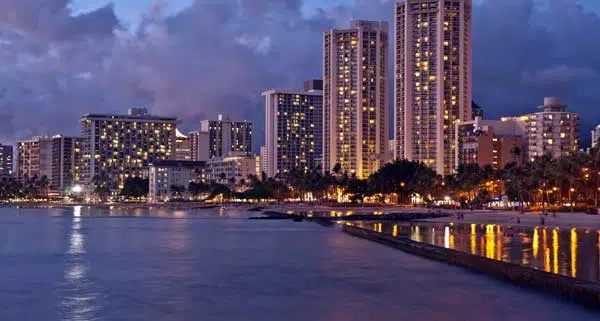
Honolulu Skyline Showing Urban City Lights

Updated August 21, 2026

Can You Buy a Home in Hawaii With $0 Down Using a VA Loan?

For many eligible Veterans and active-duty service members, one of the biggest advantages of a VA loan in Hawaii is the possibility of buying a home with no required down payment.

That can be especially valuable in Hawaii, where saving a traditional percentage-based down payment can be a significant hurdle.

But there is an important distinction every military buyer should understand:

$0 down does not automatically mean $0 out of pocket.

You may be able to finance 100% of the home’s purchase price, but there can still be closing costs, prepaid expenses, earnest money, inspections, moving expenses, and other costs associated with buying and owning a home.

Understanding that difference before you start shopping can prevent surprises later.

Understanding that difference before you start shopping can prevent surprises later.

Quick Summary

Eligible VA borrowers may be able to buy a qualifying Hawaii home without making a down payment. VA loans also don’t require monthly private mortgage insurance.

However, buyers should distinguish between the down payment and the cash needed to complete the transaction.

Your actual out-of-pocket amount can depend on your VA entitlement, funding-fee status, negotiated seller credits, lender costs, prepaid taxes and insurance, the property, and the structure of your purchase.

The goal shouldn’t simply be to get into a house with the least cash possible.

The goal is to structure a purchase that still makes sense for your budget and your military plans.

If you’re new to the program, the key benefits of a VA home loan in Hawaii provide a useful starting point before getting into the zero-down details.

What Does $0 Down Actually Mean?

A down payment is the portion of the purchase price you pay rather than finance.

With many mortgage programs, buyers must contribute a percentage of the purchase price.

VA financing works differently.

For an eligible borrower who meets the applicable requirements, a VA-backed purchase loan can potentially finance the purchase without a required down payment. The VA program also doesn’t require monthly PMI or MIP.

That doesn’t mean the home is free to buy.

There are still transaction expenses.

Think of it this way:

$0 down describes how the purchase price is financed. It does not necessarily describe how much money will leave your bank account during the entire home-buying process.

That’s especially important when you’re budgeting for a Hawaii PCS or comparing a VA loan against other financing.

$0 Down Is Not the Same as $0 Cash to Close

This is probably the biggest misconception around VA financing.

A buyer may qualify for a no-down-payment VA loan and still encounter expenses such as closing costs and prepaid items.

For a detailed breakdown, read what VA loan closing costs really look like for Hawaii Veterans.

Your actual numbers will depend on the transaction.

That’s why I don’t recommend building a home-buying plan around an advertisement that simply says:

“VA = $0 out of pocket.”

Instead, ask your lender for an estimate based on the property price and purchase structure you’re actually considering.

Your VA Entitlement Matters

The zero-down conversation also depends on your available VA entitlement.

This is particularly important for military homeowners who have used their benefit before.

A Veteran with full entitlement is in a different position from someone who still has a VA-backed loan or has only partial entitlement available.

That’s why I don’t like treating “VA loan limits” as though every Veteran has one universal maximum purchase price.

If entitlement is unfamiliar, start with VA loan entitlement explained for Hawaii Veterans. The current guide explains the difference between full and partial entitlement and how previous VA loan use can affect future buying power.

Before deciding how much you can finance without a down payment, determine:

Do you have full entitlement?

Do you currently have another VA loan?

Was a previous VA-financed property sold and the entitlement restored?

Are you trying to keep one VA-financed home while purchasing another?

For some PCS families, these questions matter much more than the headline county loan-limit number.

What About VA Loan Limits in Hawaii?

Hawaii’s housing costs are one reason VA financing can be so valuable.

But don’t assume that purchasing above a particular county threshold automatically means you need a traditional jumbo-loan down payment.

Borrowers with full entitlement aren’t subject to a VA loan limit in the same way borrowers with remaining entitlement are.

Your entitlement status, qualification, lender requirements, and the individual transaction still matter.

Our 2026 Hawaii VA loan limits guide explains when county limits actually matter and why full versus partial entitlement is the critical distinction.

If you’re considering a higher-priced Hawaii property, have your entitlement reviewed before assuming how much cash you’ll need.

What About the VA Funding Fee?

Many VA borrowers pay a one-time VA funding fee.

For purchase loans with less than a 5% down payment, the current VA funding-fee rate is generally 2.15% for first use and 3.3% after first use, unless the borrower qualifies for an exemption.

Certain borrowers are exempt, including qualifying Veterans receiving VA compensation for a service-connected disability and certain other eligible borrowers.

Here’s the important part for a zero-down purchase:

The VA funding fee can be financed into the loan.

That means an eligible borrower who owes the funding fee doesn’t necessarily have to pay that fee in cash at closing.

But ordinary purchase closing costs generally cannot simply be rolled into the VA purchase loan.

For a deeper breakdown of the fee, exemptions, and financing options, see VA Funding Fee Explained. This is an existing published resource in your inventory.

Can the Seller Pay Your Closing Costs?

Seller contributions can significantly reduce the amount of cash a VA buyer needs to bring to closing.

But this is one area where VA rules are frequently oversimplified.

You may have heard:

“The seller can pay up to 4% of your closing costs.”

That’s not quite how the rule works.

VA allows sellers or builders to provide credits toward some or all of a buyer’s normal closing costs. VA separately limits certain seller concessions to 4% of the property’s reasonable value.

Normal payment of allowable buyer closing costs isn’t simply the same thing as the 4% concession calculation.

Because this rule deserves its own explanation, I’ve linked directly to the site’s VA seller concessions rules in Hawaii rather than trying to duplicate the entire guide here. That published page specifically covers the 4% rule and seller-paid costs.

Your purchase contract should therefore be structured around the actual costs involved rather than simply asking for “4% toward everything.”

Can Seller Credits Make It a True $0-Out-of-Pocket Purchase?

Sometimes a transaction can be structured so the buyer brings very little money to closing.

But I wouldn’t promise that outcome before seeing the transaction.

Whether it works depends on the purchase price, actual closing costs, negotiated seller contribution, funding-fee status, prepaid expenses, earnest money already deposited, lender credits if applicable, and the individual property and transaction.

A seller also has to agree to the negotiated terms.

In a competitive market, asking for high seller-paid costs can affect how an offer is viewed.

If minimizing cash to close is important, the site’s VA loan closing costs and timeline guide goes deeper into who pays what and how different costs can be structured.

Rather than chasing a marketing slogan like “zero cash out of pocket,” build the strongest transaction that works for your financial situation.

How Does BAH Fit Into a Hawaii VA Loan?

For active-duty service members, Basic Allowance for Housing can be an important part of qualifying income when properly documented and expected to continue under applicable underwriting requirements.

But BAH is not a down payment program.

And receiving BAH doesn’t automatically mean a particular mortgage payment is affordable.

Your lender still needs to evaluate the complete financial picture, which can include income, debts, residual income, credit, housing expenses and other underwriting considerations.

The site’s guide to using BAH to qualify for a VA loan in Hawaii explains this distinction in detail, including why BAH is only one part of qualification.

There’s also a difference between:

“The lender says I qualify for this payment.”

and:

“I’m comfortable carrying this payment every month.”

In Hawaii, I encourage military buyers to consider the complete housing expense rather than comparing only principal and interest with their BAH.

Qualification Is About More Than the Down Payment

Being able to purchase with no down payment doesn’t eliminate VA underwriting requirements.

Your income, debts and remaining income after major obligations still matter.

That’s particularly important in Hawaii, where HOA dues, transportation costs and other household expenses can change what a comfortable payment looks like.

If you’re trying to understand the difference between qualifying and actually having enough room in your budget, read VA residual income explained for Hawaii buyers. The published inventory specifically identifies this guide as covering BAH, HOA fees, and West Region residual-income considerations.

And before shopping seriously, a Hawaii VA loan pre-approval can help establish your entitlement, income, debts and realistic purchase range before you’re negotiating on a property.

What If You Already Have Another VA Loan?

This is particularly relevant in Hawaii because military families sometimes PCS while retaining a previous VA-financed property.

Having an existing VA loan doesn’t automatically mean you can’t use your benefit again.

But you may have remaining entitlement rather than full entitlement.

That can change the down-payment calculation on your next purchase.

The site’s Can You Have Two VA Loans at the Same Time? Hawaii Guide covers exactly this situation, including entitlement rules for military buyers.

Don’t guess based on an online loan-limit chart.

Have your Certificate of Eligibility and entitlement reviewed for the specific county and purchase price you’re considering.

Should You Put Money Down Even If You Don’t Have To?

Sometimes.

The ability to make no down payment is a benefit—not an instruction that you should never put money down.

A voluntary down payment could reduce your starting loan balance, lower your monthly principal-and-interest payment and, for borrowers who aren’t exempt, potentially reduce the applicable VA funding fee at certain down-payment thresholds.

But that doesn’t automatically make putting money down the right decision.

A military family may value keeping cash available for moving expenses, repairs, emergencies, furnishings, or the uncertainty surrounding a PCS.

The better question is:

What use of your cash puts your family in the strongest financial position after closing?

If you’re trying to establish that number before choosing a home, use the site’s guide to how much house you can afford with a VA loan in Hawaii.

What About VA Assumable Loans?

VA assumptions can be valuable, particularly when an existing VA loan has terms that are attractive compared with current financing.

But an assumption should not automatically be described as a zero-down strategy.

The major issue is often the seller’s equity.

Imagine a home is selling for $800,000 but the seller has only $600,000 remaining on the assumable VA loan.

There is a $200,000 equity gap between the loan balance and the purchase price.

The buyer needs a strategy for that difference.

That’s why the presence of an assumable VA mortgage doesn’t mean the buyer can automatically acquire the home with no down payment or no cash.

For the complete process, start with the VA Assumable Loans in Hawaii Complete Guide.

If the equity gap is your main concern, the VA loan assumption fees and costs guide specifically explains why the difference between the purchase price and remaining loan balance can become the largest cash requirement in a Hawaii assumption.

Evaluate the loan balance, purchase price, equity gap, entitlement implications, assumption requirements, and available funds together.

What About VA-Approved Condos?

A zero-down VA purchase isn’t limited to detached single-family homes.

Eligible borrowers may also use VA financing for qualifying condominium units, but the condominium project generally needs to satisfy VA approval requirements.

That’s particularly relevant in Hawaii, where condos make up a meaningful portion of available housing in many areas.

Before becoming emotionally committed to a unit, determine whether the project works with VA financing.

The site’s VA Approved Condos Hawaii Guide explains the approval process and Hawaii-specific issues that can interfere with VA financing.

A More Realistic Hawaii $0-Down Example

Consider an active-duty service member buying a qualifying Hawaii home for $750,000.

Assume the borrower has sufficient entitlement and qualifies for a no-down-payment VA purchase.

The purchase-price financing could look like:

Purchase price: $750,000
Required down payment: $0

That does not automatically mean:

Cash required for entire transaction: $0.

The buyer may still have closing costs, prepaid expenses, inspections, or other transaction expenses.

If the borrower owes a VA funding fee, that fee may generally be financed rather than paid upfront.

Negotiated seller-paid costs may further reduce the buyer’s cash requirement.

The final amount depends on the actual transaction.

That’s a much more realistic way to understand zero-down VA financing in Hawaii.

Buying With $0 Down During a Hawaii PCS

Zero-down financing can become particularly useful when you’re moving to Hawaii under PCS orders.

A PCS can create expenses well beyond the mortgage transaction itself. Keeping more of your available cash rather than putting it automatically into a down payment can sometimes provide additional flexibility during the move.

But that doesn’t mean buying is automatically preferable to renting.

If you’re preparing for orders to Hawaii, the PCS to Hawaii guide connects housing decisions with BAH, neighborhoods, home buying and the broader relocation timeline.

And if you’re considering purchasing before you physically arrive, read Buying a Hawaii Home Before Your PCS Move before treating the financing decision separately from the relocation itself.

Elias’s Take on $0 Down

When I talk with military families about buying in Hawaii, I don’t want the conversation to stop at:

“Can I buy with nothing down?”

Yes, the VA benefit can make a no-down-payment purchase possible for many eligible borrowers.

But I also want to know what happens after you get the keys.

Do you still have emergency reserves?

Can you handle an unexpected repair?

Do you have PCS expenses coming?

Are you stretching the monthly payment simply because a lender says you qualify?

Would putting some money down materially improve the loan, or would keeping that cash available put your family in a stronger position?

The VA loan’s zero-down feature gives you flexibility.

Use that flexibility strategically rather than treating $0 down as the goal by itself.

Frequently Asked Questions

Can I really buy a Hawaii home with no down payment using a VA loan?

Eligible borrowers may be able to obtain a VA-backed purchase loan without a required down payment, subject to entitlement, qualification, appraisal and other applicable requirements.

Does $0 down mean I don’t need any money at closing?

No. A no-down-payment loan can still involve closing costs, prepaid expenses and other transaction costs. That’s why understanding who pays VA loan closing costs in Hawaii is useful before assuming your cash-to-close amount.

Can I finance my VA closing costs?

The VA funding fee may generally be financed into a purchase loan. Other closing expenses aren’t automatically added to the VA purchase loan in the same way.

Can a seller pay my VA closing costs?

Seller-paid costs may reduce the buyer’s out-of-pocket expense, but ordinary closing-cost payments and the VA’s separate seller-concession rules should not be treated as the same thing. See the VA seller concessions rules in Hawaii for the detailed 4% explanation.

Do I have to pay the VA funding fee?

Not everyone does. Certain eligible borrowers are exempt. Borrowers who aren’t exempt may generally finance the funding fee into a VA purchase loan.

Can I buy with $0 down if I’ve used my VA loan before?

Possibly. Prior use alone doesn’t answer the question. Your available entitlement and any existing VA-backed loans need to be reviewed.

Is there a maximum price for a zero-down VA purchase?

Your entitlement status matters. Borrowers with full entitlement are treated differently from borrowers with only remaining entitlement. Your lender must also determine that you qualify for the requested loan.

Is an assumable VA loan automatically a zero-down purchase?

No. The difference between the seller’s outstanding VA loan balance and purchase price can create a substantial equity gap that the buyer must address.

Get Personalized VA Loan Guidance

A $0-down VA loan in Hawaii can be a powerful home-buying tool, but the smartest strategy depends on your entitlement, PCS plans, income, housing budget, funding-fee status, and the property you’re considering.

Before assuming you’ll need a large down payment—or assuming you’ll need no cash at all—have the numbers reviewed for your specific situation.

Get personalized Hawaii VA loan guidance from Elias and build the purchase around what makes sense for your family.

No pressure. Just honest advice, local expertise, and a plan built around your family’s future.

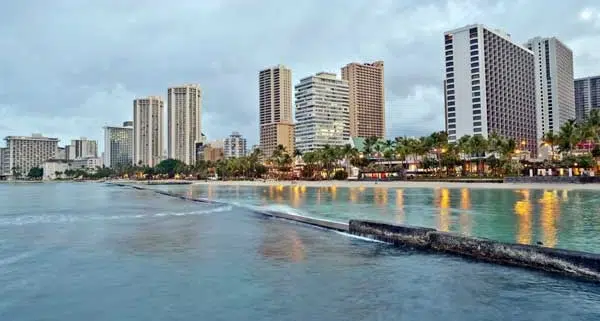
Waikiki Beach, Oahu Island Hawaii, cityscape

Even with today’s interest rates, veterans and military families in Hawaiʻi still have powerful advantages that make buying a home faster, easier, and more affordable than most people think.

The truth is this:
Hawaiʻi is one of the most expensive housing markets in the U.S.—but it’s also one of the best places to use your VA loan.

Between $0 down, no PMI, flexible credit guidelines, and access to assumable low-rate mortgages, veterans have a shortcut to homeownership that most buyers don’t.

Below is a simple, step-by-step breakdown of the fastest ways to get into a home in Hawaiʻi, even when mortgage rates feel high.

1. Use Your VA Loan With $0 Down to Maximize Speed

Most buyers spend years saving for a down payment.

Veterans don’t have to.
The VA loan remains the fastest path to homeownership in Hawaiʻi because:

  • No down payment needed
  • No PMI (private mortgage insurance)
  • Lower monthly payments
  • Flexible credit requirements
  • Higher debt-to-income flexibility

This immediately removes the #1 barrier that stops most Hawaiʻi buyers from entering the market.

2. Get a VA Pre-Approval Before You Start House Hunting

If you want to buy quickly, pre-approval is your superpower.

In Hawaiʻi—where inventory moves fast—agents and sellers don’t take offers seriously unless a VA pre-approval letter is ready to go.

A strong VA pre-approval:

  • Shows sellers you’re ready and qualified
  • Speeds up your escrow timeline
  • Helps you know your price range right away
  • Gives you confidence when you submit offers

This is often the difference between getting the house
 or watching someone else move into it.

3. Find a VA-Experienced Real Estate Agent Who Knows Hawaiʻi

Not all agents understand VA loans.
Not all agents understand Hawaiʻi’s unique market either.

A VA-experienced agent will:

  • Know which properties are VA-eligible
  • Understand condo approval rules
  • Write stronger VA offers
  • Leverage seller concessions
  • Avoid delays with VA appraisal and tidewater
  • Spot assumable VA loans you can take over

This alone can eliminate weeks from your buying timeline.

4. Look for Assumable VA Loans — The Fast Track to a 2–3% Rate

This is one of the biggest secret weapons for veterans in 2025–2026.

Many sellers in Hawaiʻi still have VA loans with amazing 2–3% interest rates.
If their loan is assumable, you can take over:

  • Their low interest rate
  • Their existing loan balance
  • Their remaining loan term

This instantly beats today’s rates—and can lower your payment by hundreds per month.

Why this is fast:

  • No need to negotiate a new rate
  • No waiting for market changes
  • No rate buydowns needed
  • Simplified loan approval process

5. Use Your BAH to Qualify and Cover Your Payment

One of the most overlooked tools is your Basic Allowance for Housing (BAH).

In Hawaiʻi, BAH levels are among the highest in the nation, which means you can:

  • Qualify for a higher VA loan amount
  • Cover most (or all) of your monthly payment
  • Buy sooner instead of waiting to save more money

For many active-duty families, BAH effectively becomes your built-in mortgage payment.

6. Focus on VA-Approved Condos and Townhomes for a Faster Closing

Many single-family homes in Hawaiʻi receive multiple offers and high competition.

VA-approved condos and townhomes often:

  • Have quicker seller responses
  • Are more affordable
  • Allow faster closings
  • Fit into PCS timelines
  • Have lower monthly costs than renting

7. Use Seller Credits to Lower Your Interest Rate or Closing Costs

Veterans can negotiate seller concessions—something conventional buyers struggle with.

You can ask the seller to pay for:

  • Rate buydowns
  • Closing costs
  • VA funding fee
  • Repairs or credits
  • Temporary buydowns (2-1 buydown is popular)

These concessions can get your interest rate down without you paying out of pocket, which dramatically speeds up your homebuying timeline.

8. Improve Your VA Buying Power With Rapid Credit Optimization

You don’t need perfect credit for a VA loan.
However, higher credit = lower rates + easier approvals = faster homeownership.

Fast fixes that veterans commonly use:

  • Pay down revolving card balances
  • Remove duplicate collections
  • Boost credit limits
  • Correct errors on credit reports
  • Rapid rescore through your lender

These steps can improve your score in days, not months.

9. Understand VA Appraisal Guidelines to Avoid Delays

The VA appraisal is designed to protect you—not slow you down.

But buyers who don’t understand the rules often cause unnecessary delays.

Fastest ways to avoid issues:

  • Choose homes in good condition
  • Avoid unpermitted additions
  • Ensure utilities are on for inspection
  • Use agents familiar with tidewater procedures
  • Have comps ready to support value

10. Work With a Local Hawaiʻi VA Loan Specialist

Not a mainland lender.
Not a call center.
A Hawaii-based VA loan expert who:

  • Understands BAH
  • Knows local underwriting flexibility
  • Works with local appraisers
  • Moves files quickly
  • Coordinates with military relocation schedules

FAQ: Buying a Home Fast in Hawaiʻi With the VA Loan

1. Is it still possible to buy a home quickly in Hawaiʻi with today’s rates?

Yes.
Veterans and military families often buy faster than civilian buyers because of VA advantages such as $0 down, flexible credit guidelines, and strong BAH.

2. How long does a VA loan take to close in Hawaiʻi?

Most VA loans close in 21–30 days, depending on:

  • appraisal timing
  • condo approval (if applicable)
  • seller responsiveness
  • how prepared your documents are

With a VA-experienced lender, it can be even faster.

3. Does the VA loan really require zero down?

Yes — for eligible buyers with full entitlement.
No down payment is required on approved homes, including many Hawaii VA jumbos over $1 million.

4. Can BAH really cover most of my mortgage payment?

In many cases, yes.
Hawaiʻi has some of the highest BAH rates in the country, giving military families a major advantage in qualifying and budgeting.

5. Are assumable VA loans really faster?

They can be.
When assuming a seller’s VA loan, you skip rate shopping and often get a 2–3% interest rate, which dramatically lowers your payment.
Approval is slightly different but often quicker than starting a brand-new loan.

6. Does a high interest rate mean I shouldn’t buy?

Not necessarily.
Many veterans buy now because:

  • HawaiÊ»i prices rarely drop
  • BAH offsets the payment
  • Assumable loans offer low rates
  • You can refinance later with an IRRRL if rates fall

Waiting often costs more than acting.

7. What credit score do I need to buy fast with a VA loan?

Most lenders can approve VA loans with scores in the mid-500s to low-600s, though higher credit means better rates.
Fast credit optimization can raise scores in days.

8. Should I buy or rent during a PCS to Hawaiʻi?

Buying often makes sense because:

  • HawaiÊ»i rents are extremely high
  • Many military families gain equity quickly
  • You can rent the home out after PCS
  • VA loans offer $0 down affordability

Final Takeaway: Veterans Can Still Buy a Home in Hawaiʻi Faster Than Most People Think

Even with today’s interest rates, veterans have advantages that no other buyers have:

  • $0 down
  • No PMI
  • Higher debt flexibility
  • Strong BAH levels
  • Access to assumable 2–3% loans

When you combine these benefits with the right strategy, buying a home in Hawaiʻi becomes not only possible—but fast, smart, and affordable.

You’ve earned this benefit.
Now it’s time to use it.

Ready to See How Fast You Can Buy a Home in Hawaiʻi?

Whether you’re comparing loan options, checking your eligibility, or want to know your real VA purchasing power, I can walk you through it in minutes.

Get your VA buying plan — fast, simple, and personalized to Hawaiʻi.
See how much VA loan you qualify for today.
Start your VA pre-approval and explore $0 down options.

Waikiki Beach, Oahu Island Hawaii, cityscape sunset

If you’re a veteran or military family in HawaiÊ»i, understanding VA loan limits is one of the fastest ways to know how much home you can afford right now — with $0 down and no PMI.

The good news?
VA loan limits in Hawaiʻi are higher than almost anywhere else in the country, especially in high-cost counties like Oʻahu.

Even better?
Many veterans don’t realize the VA no longer sets traditional “caps” for qualified borrowers with full entitlement. That means the number most people call “VA loan limits” isn’t actually a hard limit—it’s a guideline for zero-down borrowing power.

This guide breaks everything down clearly so you know exactly how much VA loan you can qualify for, whether you’re buying on Oʻahu, Maui, Kauaʻi, or the Big Island.

What Are VA Loan Limits in Hawaiʻi?

VA loan limits represent the maximum loan amount the VA will guarantee without requiring a down payment.
Even though the VA removed loan caps for borrowers with full entitlement in 2020, loan limits still matter for:

  • buyers who have already used some entitlement
  • buyers with a current VA loan
  • buyers assuming an existing VA loan
  • jumbo loan calculations
  • zero-down eligibility

For everyone else with restored or full entitlement?
You may be able to borrow far above these limits with $0 down, depending on your lender qualifications.

Current Hawaii VA Loan Limits by Island (High-Cost Breakdown)

Oʻahu – High-Cost County

Oʻahu traditionally carries the highest limits because of its market prices.
If you’re shopping in Honolulu, Kapolei, Ewa Beach, Mililani, Kailua, or KāneÊ»ohe, this number is especially important.

Maui County

Wailuku, Kahului, Kīhei, Lahaina, and Upcountry communities also fall under higher-than-national-average loan caps.

Kauaʻi

Lihue, Kapaʻa, Princeville, and Koloa typically fall into similar limit patterns.

Hilo / Kona (Big Island)

Still generous compared to mainland loan caps — especially helpful as prices rise in Kona and Waimea.

Full Entitlement vs Partial Entitlement (Why Most Veterans Can Borrow More Than They Think)

Here’s the easiest way to understand it:

If you have a FULL entitlement → there is no official loan limit

You can borrow above county limits with $0 down as long as your income and credit qualify.

If you have a PARTIAL entitlement → loan limits DO apply

Examples:

  • You currently have a VA loan on another property
  • You’ve defaulted on a previous VA loan
  • You used entitlement and didn’t restore it
  • You want to keep your current VA home loan and buy another

Knowing your entitlement status is the first step to knowing your zero-down eligibility.

How Much Can You Borrow With a VA Loan in Hawaiʻi Right Now?

Here’s how lenders actually determine your VA borrowing power:

1. VA County Loan Limits (Guideline)

This acts as the baseline for partial-entitlement buyers.

2. Your debt-to-income ratio (DTI)

Most lenders allow:

  • 41% baseline DTI
  • Higher DTI with strong compensating factors (BAH, residual income, credit)

3. Your BAH (Basic Allowance for Housing)

In Hawaiʻi, BAH is extremely generous and significantly increases purchasing power.

Can You Get a VA Jumbo Loan in Hawaiʻi? Yes — Very Easily.

A “VA Jumbo Loan” simply means:
Any VA loan above the standard county limit.

Because Hawaiʻi is high-cost, jumbo VA loans are extremely common — especially on Oʻahu, Maui, and Kauaʻi.

Benefits stay the same:

  • $0 down (with full entitlement)
  • No PMI
  • Competitive rates
  • Flexible guidelines
  • Often easier to qualify for than jumbo conventional loans

Why VA Loan Limits Matter in Hawaiʻi’s High-Cost Market

Even with full entitlement, understanding loan limits helps you:

  • Estimate how much home you can afford right now
  • Compare VA vs conventional in HawaiÊ»i
  • Understand whether zero-down is possible
  • Plan future purchases if you keep the current VA propertyAvoid surprises during underwriting

Hawaiʻi’s unique combination of high BAH, high prices, and military presence makes the VA loan one of the strongest homebuying tools in the state.

Real Example: How Loan Limits Affect Zero-Down Eligibility

Let’s say you currently own a condo in Kapolei with an active VA loan.
You want to buy again, this time in Mililani.

Because you have partial entitlement tied up, you’ll use the county loan limit formula to calculate:

  • how much entitlement remains
  • whether a down payment is required
  • how much the VA will guarantee

Veterans with no remaining entitlement may still buy — they may just need a down payment.

With full entitlement restored, however?
You could buy anywhere on Oʻahu with:

  • $0 down
  • no PMI
  • lender-approved maximum amounts well above county limits

How to Restore Your VA Entitlement (If You Already Own a Home)

Many veterans don’t realize you can restore entitlement multiple times, even if you’ve used the VA loan before.

You can restore entitlement if:

  • You sold the home
  • You refinanced out of a VA loan
  • Your VA loan was paid off at closing
  • You paid the VA back after a default

VA Loan Limit Myths (That Confuse Most Buyers in Hawaiʻi)

  • Myth #1: “There’s a max VA loan amount.”
    Truth: Not with full entitlement.
  • Myth #2: “I need a huge down payment in HawaiÊ»i.”
    Truth: $0 down is possible even above county limits.
  • Myth #3: “Jumbo loans require 20% down.”
    Truth: VA jumbo can be zero down with full entitlement.
  • Myth #4: “Loan limits are the same across all islands.”
    Truth: Oʻahu is usually the highest.

FAQ: Hawaii VA Loan Limits

1. Do VA loan limits still apply in Hawaiʻi?

Yes — but only for borrowers with partial entitlement.
If you have full entitlement, there is no official loan limit, and you can buy above the county limit with $0 down, as long as you qualify with your lender.

2. What is the VA loan limit on Oʻahu?

Oʻahu is considered a high-cost county, so its loan limit is traditionally higher than the national average. Exact numbers update yearly, but the takeaway remains the same:

  • Military families can typically buy well above these limits with $0 down when full entitlement is restored.

3. Do VA loan limits affect how much I can borrow?

Only if you have reduced or partial entitlement.
With full entitlement, your borrowing power is based on:

  • income
  • BAH
  • debt-to-income ratio
  • credit
  • lender guidelines

Not the county limit.

4. Can I buy a home over $1 million in Hawaiʻi with a VA loan?

Yes.
Many buyers on Oʻahu, Maui, and Kauaʻi purchase VA jumbo homes over $1M with zero down. Qualification depends on your income and debt, not the purchase price.

5. What if I already own a home with a VA loan?

You may still be able to:

  • buy again using remaining entitlement, or
  • restore full entitlement if you sell or refinance the original VA loan.

This determines whether loan limits apply.

6. Do VA loan limits affect condos?

Not directly — the key for condos is whether the project is VA-approved.
Loan limits only matter if you’re using partial entitlement.

7. How do I find out how much VA loan I qualify for?

A quick VA pre-approval will tell you your exact borrowing power, including:

  • max loan amount
  • whether loan limits apply
  • $0-down eligibility
  • your estimated monthly payment

Final Takeaway: You Can Borrow More With a VA Loan in Hawaiʻi Than Almost Anywhere Else

Hawaiʻi’s VA loan limits and high BAH rates give veterans and military families incredible purchasing power, even in one of the most expensive real estate markets in the country.

If you understand:

  • your entitlement
  • your county loan limit
  • your borrowing power

You can buy a home here faster, easier, and with less money down than you might think.

Ready to Find Out How Much VA Loan You Qualify for in Hawaiʻi?

Whether you’re stationed on OÊ»ahu, planning a PCS move, or already living in HawaiÊ»i and exploring your options, I can help you understand your true borrowing power with the VA loan — fast, simple, and personalized.

With one quick conversation, you can learn:

  • Your exact VA loan eligibility
  • How much you can borrow with $0 down
  • Whether loan limits apply to you
  • Your estimated monthly payment
  • If you qualify for a VA jumbo loan on OÊ»ahu, Maui, KauaÊ»i, or the Big Island

No pressure. No confusing jargon.

Just clear answers from a Hawaiʻi-based VA loan specialist who knows the local market and understands military life.

Get Your Personalized VA Loan Assessment Today

Click below to start your free VA homebuying plan — it only takes a few minutes, and it could put you one step closer to owning a home in Hawaiʻi.

Start Your VA Pre-Approval
Talk With a Hawaii VA Loan Expert

Waikiki shoreline with tourists in Honolulu, Hawaii

Hawaii remains one of the most unique real estate markets in the United States — high cost of living, limited land, and strong demand from local families and military buyers. Because of this, VA loan limits here work differently than in most states and can have a huge impact on how much home you can buy with zero down.

Below is the most up-to-date breakdown of 2026 VA Loan Limits in Hawaii, including Honolulu County’s conforming limit, entitlement rules, jumbo thresholds, and example calculations to help you understand exactly where you stand.

Quick Summary: 2026 VA Loan Limits in Hawaii

Hawaii’s high home prices make VA loan limits especially important for veterans and active-duty buyers. In 2026, Honolulu County’s VA conforming loan limit is $1,228,500, which determines how much home you can buy with zero down if you have partial entitlement. Buyers with full entitlement have no VA loan limit at all. Understanding entitlement status, county limits, and VA jumbo rules can significantly increase your buying power in Hawaii’s competitive real estate market.

TL;DR: 2026 VA Loan Limits in Hawaii

  • Honolulu County 2026 VA loan limit: $1,228,500
  • Full entitlement = no VA loan limit (buy at any price with $0 down if qualified)
  • Partial entitlement = zero-down limit tied to county loan limits
  • VA guarantees 25% of the loan amount above the county limit
  • Buyers may need a small down payment only on the amount above their zero-down limit
  • VA loans in Hawaii often outperform conventional jumbo loans with no PMI and flexible DTI rules

Key Takeaways: How VA Loan Limits Impact Hawaii Buyers

  • VA loan limits matter most in Hawaii due to high home values and jumbo pricing
  • Buyers with full entitlement have unlimited zero-down purchasing power
  • Partial entitlement buyers can still purchase high-priced homes with minimal or no down payment when calculated correctly
  • VA loans offer major advantages over jumbo loans, including no PMI and better rates
  • Understanding county limits and entitlement status can mean the difference between renting and owning in Hawaii
  • Used strategically, VA loans provide some of the strongest buying power in the entire U.S. housing market

2026 VA Loan Limit in Hawaii (Honolulu County)

$1,228,500

This is the 2026 conforming loan limit for Honolulu County, which the VA uses when calculating how much “zero-down power” you have if you do not have full entitlement.

If you have full entitlement, there is no VA loan limit — meaning you can buy at any price with $0 down as long as you qualify.

Full vs. Partial Entitlement (Easy Explanation)

Full Entitlement

You have full entitlement if:

  • You’ve never used your VA loan
  • You paid off a previous VA loan and sold the home
  • Your previous VA loan was foreclosed/bankrupt, but benefits have since been restored

Result:
You can buy any price home with $0 down — no loan limit.

Partial Entitlement

You have partial entitlement if:

  • You currently have a VA loan on another home
  • You’ve defaulted before and have reduced entitlement
  • You refinanced out of a VA loan, but still have entitlement tied up

Result:
Your zero-down limit depends on the county loan limit (in this case $1,228,500).

How to Calculate Your Zero-Down Buying Power (Partial Entitlement)

VA guarantees 25% of the loan amount above the county limit.

VA Formula:

(County Limit × 25%) − Entitlement Already Used = VA Guarantee Available

Then:
VA Guarantee Available × 4 = Max zero-down loan amount

Example Calculation

Let’s say:

  • You used $150,000 of entitlement on a home in another state
  • You want to buy in Honolulu County

Step 1 — Maximum guarantee based on county limit

$1,228,500 × 25% = $307,125

Step 2 — Subtract entitlement already used

$307,125 − $150,000 = $157,125 VA guarantee left

Step 3 — Multiply by 4 to get your zero-down limit

$157,125 × 4 = $628,500 max purchase price with $0 down

If you buy above that, you would need a small down payment only on the amount over your limit.

The entitlement calculation tells you whether a down payment may be required, but it doesn’t tell you the entire amount of cash you may need for the transaction. See our guide to buying a Hawaii home with $0 down using a VA loan for the difference between zero down, closing costs, funding fees, seller-paid costs, and actual cash to close.

Why Hawaii Buyers Benefit Most from VA Loans

Zero down up to (or beyond) $1.2M

This is life-changing in a high-cost housing market.

No mortgage insurance

No PMI = lower monthly payment.

Higher DTI flexibility

Especially helpful for Hawaiʻi’s higher cost-of-living.

VA loans beat jumbo rates

VA loans in Honolulu frequently outperform conventional jumbo pricing.

Refinance anytime with the IRRRL

Simple, fast, no appraisal required.

VA Jumbo Loans in Hawaii

A “VA Jumbo Loan” simply means:

  • The loan amount is above the county limit ($1,228,500)
  • You still get VA loan perks
  • You may still qualify with $0 down if you have full entitlement

Many active-duty buyers in Honolulu purchase $1.7M – $2.2M homes with VA financing.

2026 VA Loan Limits by Hawaii County

County2026 Conforming Loan Limit
Honolulu$1,228,500
Maui$1,063,200
Kauaʻi$1,006,250
Hawaii (Big Island)$747,500

Note

Only Honolulu, Maui, and Kauaʻi are considered “high-cost counties”, which increases the loan limit above the standard U.S. baseline.

Who This Guide Helps Most

Hawaii’s VA loan rules can be confusing — especially with second-tier entitlement or buying a second VA home loan — but used correctly, they offer unmatched purchasing power.

Final Thoughts

The 2026 VA loan limit in Hawaii of $1,228,500 means veterans and active-duty buyers can compete in one of the country’s most expensive real estate markets — often with zero down and significantly lower payments than conventional options.

Waikiki Beach Front

If you’ve ever tried to figure out “How much mortgage can I actually afford?” you’ve probably seen every rule of thumb out there:

  • “Spend no more than 28% of your income.”
  • “Cap your DTI at 45%.”
  • “Your mortgage payment should be 2.5x your annual salary.”

Those rules don’t work for everyone — and they especially don’t work for military families, VA loan buyers, or people PCSing to Hawaii.

As a mortgage broker who has helped hundreds of service members, veterans, and Hawaii families, I can tell you this:

Affordability is personal. And it’s different in Hawaii.

This guide will walk you through the smartest, most realistic way to determine your actual, comfortable mortgage affordability — not just the textbook version.

What Makes My Perspective Different?

After working with hundreds of clients over the years — from E-3s to O-6s, from first-time buyers to seasoned investors — I’ve seen every affordability scenario you can imagine.

And here’s the truth:

Most people underestimate what they can afford.
Most calculators fail to factor in Hawaii.
And VA buyers have advantages no other loan program offers.

My experience across diverse real-world situations allows me to give clients clearer, more confident guidance than they typically get from big mainland lenders, online calculators, or bankers who don’t specialize in VA loans.

Why Hawaii Is Different: Your Buying Power Is Usually Higher Here

When buyers PCS to Hawaii, they often assume home prices will crush their budget. But this is what surprises them:

  1. Your BAH is significantly higher in Hawaii
    For many ranks, BAH increases by thousands per month compared to most mainland duty stations.
  2. You receive COLA
    Cost-of-Living Allowance is tax-free income that boosts your affordability — but most loan officers on the mainland forget to consider it.
  3. VA loans allow higher DTIs than conventional loans
    Conventional loans typically cap out around a 50% DTI, while VA loans can often approve 60–65% DTI with strong residual income.

That’s a massive difference.

Result?

Many military families actually qualify for more housing in Hawaii than they did on the mainland — even though home prices are higher.

Real Case Study: “We Thought We Could Only Afford $500,000
”

A client PCSed from a mainland base, expecting their budget to stay the same. They were approved for around $500,000 at their previous station, so they assumed that was their limit in Hawaii.

But once we recalculated:

  • Their BAH increased by thousands per month
  • They added COLA to their qualifying income
  • VA allowed a higher DTI, thanks to high residual income

Their new max affordability wasn’t $500,000.

It was well into the $700k+ range.

This is why Hawaii’s affordability can’t be calculated the same way as the mainland.

The Real Question Isn’t “How Much Can I Afford?”

It’s “How Much Do I Want to Afford?”

Here’s something I tell every client:

“The lender number isn’t the most important number — your comfort number is.”

Just because you can afford a certain mortgage doesn’t mean you should.

So instead of starting with DTI or max approval, I start with a simpler question:

“What monthly payment feels right for you?”

Some clients want to stay within BAH.
Others are happy to go slightly above to get a better location, larger home, or a place that will work as a long-term rental after they PCS out.

Everyone’s comfort level is different — and it should be.

This approach dramatically reduces financial stress and keeps buyers firmly in the driver’s seat.

VA Loan Advantages That Increase Affordability

VA loans give military buyers unique strengths that directly impact affordability:

No down payment required

Saves cash and increases purchasing power.

Lower interest rates than conventional

More home for the same payment.

Higher allowable DTI

Often up to 60–65% depending on residual income.

No mortgage insurance (PMI)

Lowers monthly payment significantly.

Ability to use BAH + COLA

Powerful for Hawaii buyers.

When you combine these, VA buyers often qualify for more than they ever expected.

Factors That Actually Determine What You Can Afford

Let’s break down the practical components of affordability — not the generic ones.

1. Your Monthly Payment Target (Most Important)

This includes:

  • Principal + interest
  • Property taxes
  • Homeowners insurance
  • HOA fees (common in Hawaii condominiums)
  • Utilities and lifestyle costs

Your personal comfort level takes priority over any lender formula.

2. Your DTI (Debt-to-Income Ratio)

For VA loans, this can go much higher due to:

  • residual income
  • tax-free allowances
  • low default rates on VA loans

This gives VA buyers far more breathing room.

3. Your Duty Station’s BAH

This is often the biggest affordability booster when PCSing to Hawaii.

4. COLA (Cost-of-Living Allowance)

Tax-free income most mainland lenders forget to count — but it matters.

5. Hawaii Insurance + HOA Considerations

A few things to know:

  • Hurricane insurance is required for most homes
  • Flood zone insurance varies
  • HOA fees can range widely

But these are predictable and easy to build into a personalized affordability plan.

How Technology + AI Increase Your Buying Power

Mortgage brokers who rely on modern tech — like I do — have major advantages:

Faster rate shopping

We instantly compare wholesale VA rates across lenders.

Lower pricing

Mortgage brokers are often cheaper than retail lenders.
And VA-specialized brokers (like me) can often beat even other brokers.

Less overhead = better rates

Tech-efficient lenders pass savings directly to you.

Smart tools for affordability planning

From instant fee comparisons to real-time rate models, AI helps clients make clearer decisions with less stress.

Ways to Stretch Your Affordability Even Further

If a client is right on the edge of their comfort zone, we have strategies:

1. Temporary Buydowns (1-0, 2-1, 3-2-1)

Lower your rate for the first 1–3 years.

2. Lender Credits

Reduce closing costs (in exchange for a slightly higher rate).

3. Creative Loan Structuring

Optimizing DTI and residual income to maximize VA approval power.

4. Use BAH Strategically

Some clients cover mortgage with BAH and preserve cash for other goals.

So
 How Much Can You Afford?

If you’re military, PCSing to Hawaii, or using your VA loan, the “you can only afford X” calculators online are usually wrong — sometimes by a lot.

The best way to determine your real affordability is a quick, personalized breakdown based on:

  • your BAH
  • your COLA
  • your monthly comfort target
  • your debts
  • your timeline
  • your long-term PCS plan

It takes about 10 minutes, and it gives you an accurate, stress-free number you can trust.

Final Thoughts

Mortgage affordability shouldn’t feel overwhelming — and it shouldn’t be based on rigid formulas that don’t apply to military families or Hawaii buyers.

With the combination of:

  • higher BAH
  • COLA
  • VA loan advantages
  • personalized comfort-based planning
  • technology-driven rate comparisons

You’re likely able to afford more home than you think — and with less stress.

If you want a personalized affordability check or just want to talk through your situation, I’m here to help.

Eli — The VA Loan Guy
Military-friendly. Hawaii-based. Technology-powered.
And here to make sure you buy a home you can truly afford — comfortably.

Ocean Water, Waikiki Beach, and Hotel Towers

If you’re a veteran, active-duty service member, or PCS’ing to Hawai‘i, finding the right VA loan specialist matters more here than almost anywhere else.
Home prices are high, every lender’s rate is different, and Hawai‘i has unique property challenges (lava zones, catchments, condo approvals, etc.).

After 20+ years in the finance industry and hundreds of millions in VA loans funded, one thing has become absolutely clear to me:

“Price isn’t just a number — it’s the difference between a veteran paying too much or saving thousands over the life of their loan.”
— Elias Halvorson, Veteran & VA Loan Broker, C2 Financial

If you want to skip straight to the short answer:

Quick Answer: Where to Find VA Loan Specialists in Hawai‘i

If you’re looking for:

  • The lowest VA loan interest rate
  • A broker who shops multiple lenders
  • A veteran who understands your situation
  • And someone who knows the Hawai‘i market island-by-island

Start here:

Top Pick: Elias Halvorson — VA Loan Broker (C2 Financial)

  • 20+ years in finance
  • Hundreds of millions in VA loans funded
  • Veteran + comes from a family of veterans
  • Specializes in Hawai‘i purchases, refinances, cash-outs & IRRRLs
  • Often reduces commission to save veterans money
  • Shop hundreds of lenders for the best pricing
  • Experienced with all islands, lava zones, water catchments & local hurdles

Broker vs Bank vs “Veteran-Focused” National Lenders

Before choosing any lender, it’s important to know the difference in how each one works:

Type of LenderWhat They DoProsCons
Mortgage Broker (like Elias)Shops rates at many lenders on your behalfCan find the lowest rate Can switch lenders if rates improve Lower feesNo downsides if experienced
Mortgage BokerOnly offers their in-house ratesSimple processCan’t shop other banks Price often not competitive
Veterans United / Navy FedNational “veteran-focused” brandsHeavy marketingOften higher rates Big lender fees Harder to compare Veterans frequently overpay

Bottom line:
A broker almost always finds better pricing — especially for VA loans in Hawai‘i.

Why Hawai‘i Veterans Need a Price-Focused Broker

Hawai‘i is one of the most expensive real-estate markets in the country. That means:

A slightly lower VA interest rate = huge monthly savings.

Even a .25% difference in interest rate can save a veteran tens of thousands over time.

That’s why I’ve made it my mission to hunt down the best pricing for veterans — and why I’m often able to beat national lenders and big banks.

Real Hawai‘i Veteran Case Studies

These are real examples of veterans who compared their loan estimate with me and saved big:

Case Study #1: Veteran Saves $400+ a Month on a Refinance

A veteran initially applied with a large, veteran-branded mortgage lender. He later asked me to compare their rate.

By switching to me:

  • Interest rate dropped by 0.625%
  • Monthly payment dropped by $400+
  • IRRRL (VA streamline refinance) was completed faster and cheaper

This is the power of rate shopping.

Case Study #2: PCS Family Saves $12,000+ Moving to Hawai‘i

A military family PCS’ing to O‘ahu received a bank’s loan estimate, then decided to get a quote from me.

By switching:

  • Closing costs dropped by over $12,000
  • Interest rate improved by 0.25%
  • They entered escrow with far less stress

One quick comparison saved them more than many families save in an entire year.

Hawai‘i Has Unique VA Loan Challenges — Make Sure Your Specialist Knows Them

This is where knowledge of Hawai‘i’s real estate truly matters. Depending on the island, your VA loan can hit issues such as:

Big Island

  • Lava zones
  • Water catchment systems
  • Off-grid properties
  • Agricultural zoning

O‘ahu / Maui / Kaua‘i / Big Island

  • Condo association approvals
  • High HOA dues
  • Special assessments
  • Resort zoning

A mainland lender has no idea how to navigate these issues.
A Hawai‘i-based broker does.

Checklist: Questions to Ask Any VA Loan Specialist in Hawai‘i

Before choosing someone, ask:

1. Are you a mortgage broker or a mortgage bank?

(Brokers can shop rates — banks cannot.)

2. How many lenders can you compare for VA loans?

(You want someone with access to dozens or hundreds.)

3. How long have you been working in the finance and VA loan industry?

(Experience matters, especially in Hawai‘i.)

4. Are you familiar with lending on the specific island I’m buying on?

(Lava zones and catchments require expertise.)

5. Do you provide a side-by-side rate comparison before locking?

(Transparency is crucial.)

6. Can you reduce your lender compensation for veterans to lower my cost?

(You do — many do not.)

Common Mistakes Hawai‘i Veterans Make

After 20 years in finance and 6 years helping Hawai‘i veterans specifically, I’ve seen the same avoidable mistakes:

  • Not shopping their lender
  • Not interviewing their loan officer
  • Assuming “veteran-focused companies” offer the best prices
  • Not asking for seller credits
  • Choosing a lender who doesn’t understand local property rules

The good news?
All of these mistakes are 100% avoidable.

So
 Who Are the Top VA Mortgage Brokers Serving Hawai‘i Veterans?

While many loan officers can originate VA loans, very few:

  • Shop multiple lenders
  • Reduce their commission to help veterans
  • Have decades of experience
  • Are veterans themselves
  • Understand Hawai‘i’s unique real-estate landscape
  • Can switch lenders mid-process if rates drop

That’s why I confidently recommend myself as the best starting point for any veteran buying or refinancing in Hawai‘i.

Need Help? Get a Quick Rate Comparison or Strategy Session

If you’d like to compare your VA loan options, get a second opinion, or review your current loan estimate:
Text, call, or email me for a quick rate comparison or VA loan strategy session.
No pressure — just straight answers and the best pricing I can find.

Honolulu skyline showing urban city lights at night with milky w

PCS orders to Hawaii are both exciting and overwhelming. Service members dream of beaches, aloha spirit, and island adventures — but then reality sets in: “How will I afford housing in one of the most expensive markets in the U.S.?”

The truth is, many families pay $3,500–$4,500/month in rent on Oʻahu alone. But with a VA loan and your Basic Allowance for Housing (BAH), you can often own instead of rent, and build equity while stationed here.

In this guide, we’ll break down:

How PCS orders to Hawaiʻi are unique.

  • Why VA loans are a powerful advantage in a high-cost market.
  • How much home can you buy using your BAH?
  • Island-by-island breakdown of housing options.
  • FAQs service members ask before moving.

Why PCS Orders to Hawaii Are Different

PCS moves always involve logistics, but Hawaii has special challenges:

  • Limited base housing – Waitlists can stretch months at Schofield Barracks, Pearl Harbor-Hickam, and Kaneohe MCBH.
  • High rental demand – 3-bedroom rentals average $3,800–$4,200 in Honolulu (2025).
  • High cost of living – Groceries, utilities, and gas are more expensive than on the mainland.

Key takeaway: For many families, relying only on base housing or renting isn’t realistic. That’s where the VA loan comes in.

Ocean Water, Waikiki Beach, and Hotel Towers

How the VA Loan Simplifies PCS to Hawaii

The VA loan makes your PCS move simpler with $0 down, no PMI, and flexible credit standards. But before you start comparing rates or homes, you’ll need your Certificate of Eligibility (COE), proof of your VA entitlement that allows lenders to process your loan.
Once that’s verified, you can move forward with confidence, knowing your benefits are ready to use.

PCS moves mean upfront costs: flights, shipping, and temporary lodging. Saving for a massive down payment on top of that is nearly impossible.

The VA loan solves this:

  • $0 Down – No need for $40k–$80k upfront.
  • No PMI – Saves $300–$600/month vs FHA or conventional loans.
  • Flexible credit – More forgiving for service members with frequent PCS disruptions.
  • Assumable loans – Some Hawaii sellers have VA loans locked at 3% or less. If assumable, you could save $700–$900/month compared to today’s rates.

PCS + BAH: Turning Allowance Into Homeownership

PCS moves are costly — temporary lodging, car shipping, household goods, flights, and meals all hit your wallet before your first day on base. That’s why your Basic Allowance for Housing (BAH) is so important in Hawaiʻi — it’s designed to keep you from paying out-of-pocket for off-base housing.

But here’s what most service members don’t realize:
BAH isn’t just meant to cover rent. It can be the foundation for buying a home with your VA loan.

How BAH Works with VA Loans

When you apply for a VA loan, lenders treat your BAH as guaranteed, stable income — the same as base pay. That means:

You can qualify for a larger loan amount than with civilian income alone.

You can often cover most or all of your monthly mortgage payment using only your BAH.

For example, an E-6 with dependents in Oʻahu (2025 BAH ≈ $3,800/month) can qualify for a home loan of roughly $700,000 — enough to buy a condo or townhouse in Mililani or Ewa Beach.

How BAH and VA Loan Benefits Multiply

With a conventional loan, you’d typically need:

  • 5–10% down ($35,000–$70,000+ on a $700,000 home), and
  • Private Mortgage Insurance (PMI), adding $300–$600/month to your payment.

With a VA loan, you skip both — meaning your BAH stretches further every month.
That’s like getting a 10–15% raise, without any paperwork.

Rent vs. Buy Comparison: The PCS Equation

Scenario Monthly Payment Equity After 3 Years Out-of-Pocket Costs
Renting in Honolulu ~$3,800 $0 ~$136,000 spent
Buying w/ VA Loan ($700k home) ~$4,550 (covered mostly by BAH) ~$65,000+ in equity $0 down payment

Even if you only stay three years, you walk away with equity — not rent receipts.

What Happens When You PCS Out of Hawaii?

Your investment doesn’t vanish when orders change. You can:

  • Sell (and often gain from home appreciation).
  • Rent it out — many service members earn $500–$1,000/mo in positive cash flow after PCSing.
  • Refinance (IRRRL) — lower your rate and rent it profitably.

The Smart PCS Strategy

PCS orders are temporary, but the right home can be an asset for life.

  • Use your BAH to cover a VA mortgage.
  • Let your PCS tour build equity instead of draining savings.
  • When you PCS again, consider whether it’s time to rent or sell, based on your local market conditions.

sunset at waikiki beach area in oahu hawaii

Island Housing Breakdown for PCS Families

Oahu (Schofield, Pearl Harbor-Hickam, Kaneohe MCBH)

  • Median home price (2025): ~$890,000.
  • Best areas: Mililani (family-friendly), Ewa Beach (newer VA-approved condos), Aiea/Pearl City (central).
  • Tip: Oahu has the most VA-approved condos, making it easier for E-5/E-6 families to buy within BAH budgets.

Maui (Lahaina, Wailuku, Kihei)

  • Median home price (2025): ~$1.1M.
  • VA loans help offset higher upfront costs, but expect larger payments.
  • Limited VA-approved condos compared to Oahu.

Kauai (Lihue, Kapaa, Princeville)

  • Median home price (2025): ~$900k.
  • Smaller inventory → competitive market.
  • VA loans’ $0 down helps when sellers demand strong offers.

Big Island (Hilo, Kona, Waimea)

  • Median home price (2025): ~$480k.
  • Most affordable island for VA buyers.
  • E-4 to E-5 families can often buy with just BAH income.

PCS FAQs

Can I buy a home before I arrive in Hawaii?

Yes. Many service members use VA pre-approval + virtual tours. A local VA Realtor can walk properties for you.

Can I use my VA loan for a condo?

Yes, if it’s VA-approved. Oahu has the widest selection of VA-approved condos.

What if I already used my VA loan on the mainland?

You may still qualify using partial entitlement, though loan limits apply.

Can I sell or rent out my home when I PCS away?

Yes. Many turn their Hawaii VA home into a rental property when orders change.

Final Takeaway

PCS moves to Hawaii are unique, but your VA loan + BAH allowance make it possible to own instead of rent. With $0 down, no PMI, and local market knowledge, you can buy near your duty station and start building wealth — even in one of the nation’s most expensive states.

Ready to plan your PCS housing strategy? Make sure you’ve secured your Certificate of Eligibility (COE), then contact Elias Halvorson, your local VA loan specialist, to see how your BAH matches homes across Oahu, Maui, Kauai, and the Big Island.