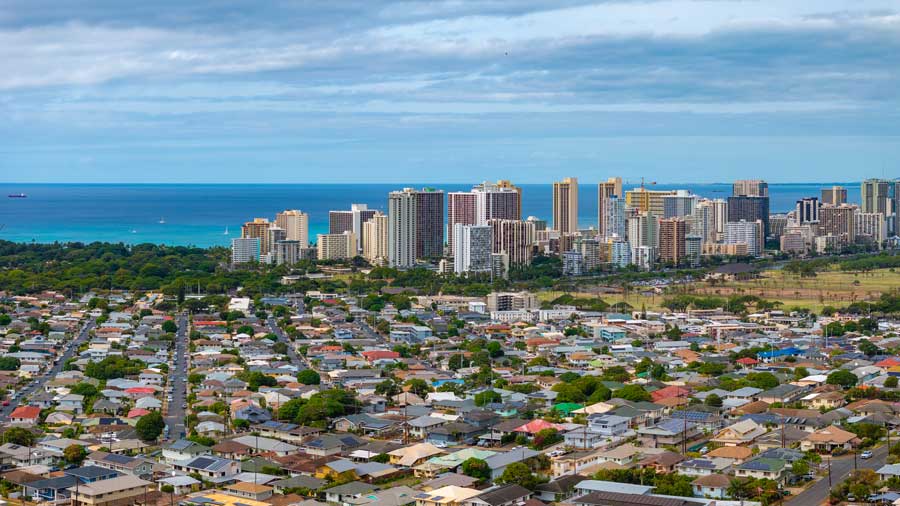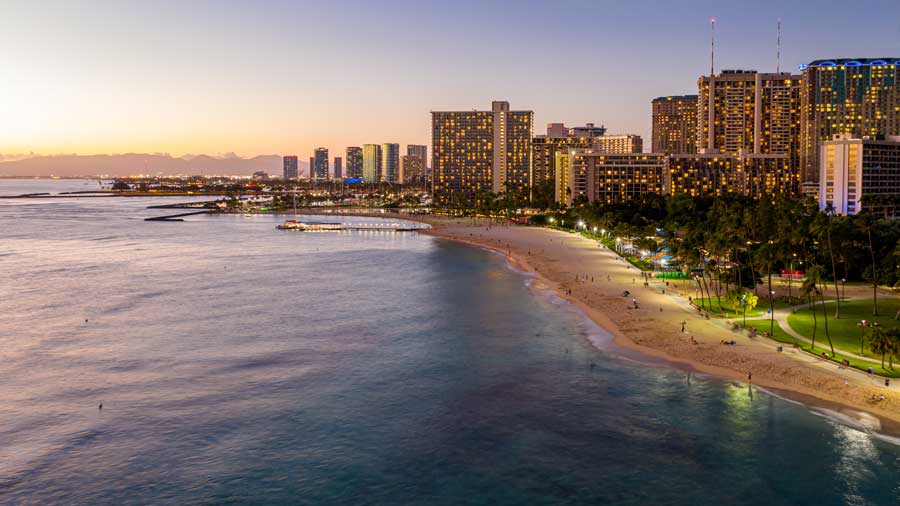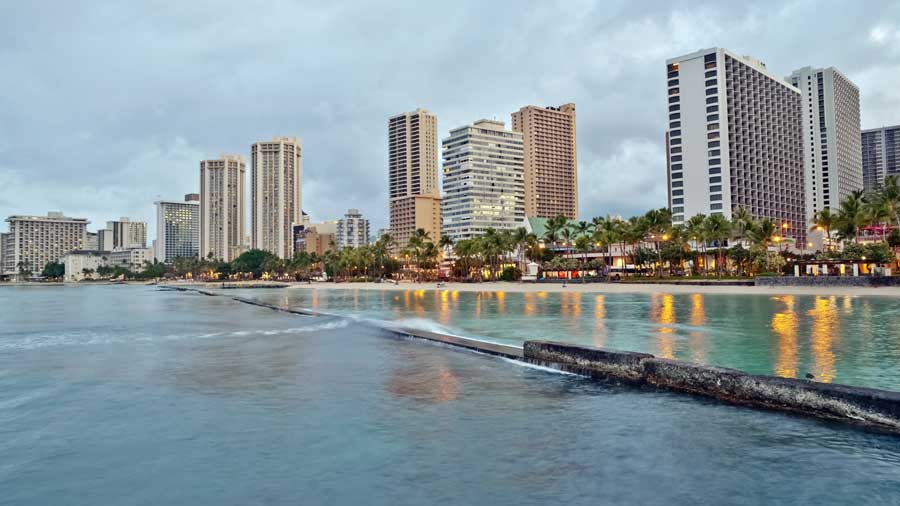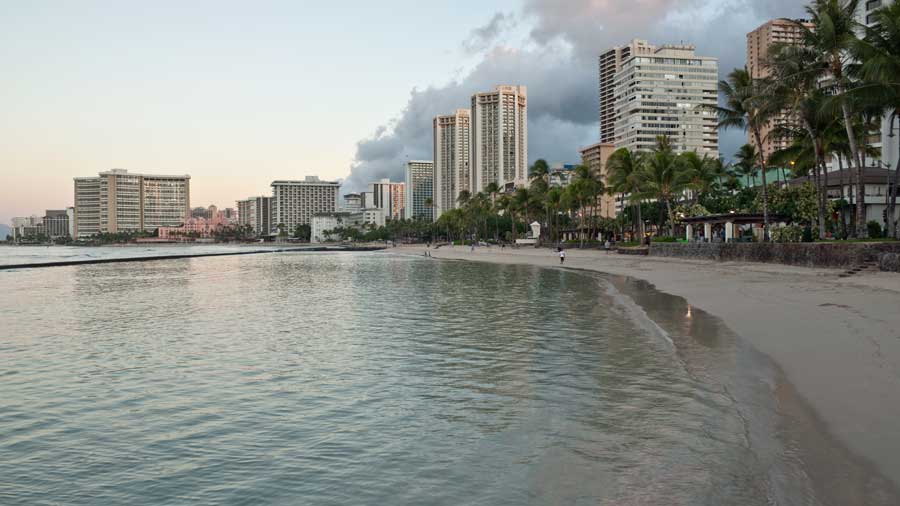
Waikiki shoreline with tourist in Honolulu

VA loan assumption fees and costs in Hawaii can be significantly lower than getting a new loan — but most buyers underestimate the total cash required, especially the equity gap. Understanding the full cost breakdown upfront can help you avoid surprises and determine whether an assumable loan is truly the smarter move.

If you’re new to assumptions, start with the VA assumable loans in Hawaii complete guide.

Quick Answer

VA loan assumption costs typically include a processing fee, closing costs, and often a large equity gap payment. Total out-of-pocket costs can range from a few thousand dollars to significantly more depending on the home’s value.

TL;DR

Assuming a VA loan is usually cheaper than getting a new loan, but buyers must often cover the seller’s equity gap, which can be the largest cost in Hawaii.

The 3 Main Costs of a VA Loan Assumption

Understanding these three categories is critical.

1. Assumption Processing Fee

Most lenders charge:

~$300 to $1,000
This fee covers:

  • Loan transfer processing
  • Administrative work
  • Approval handling

This is usually the smallest cost

2. Closing Costs

Even though you’re not getting a brand-new loan, you still pay closing costs.

Typical Hawaii assumption closing costs may include:

  • Escrow fees
  • Title insurance
  • Recording fees
  • Prorated taxes and insurance

These costs are often lower than a traditional VA loan but still important.

For comparison, see: VA loan closing costs & timeline in Hawaii

3. The Equity Gap (Biggest Cost)

This is where most buyers get surprised.

What Is the Equity Gap?

The difference between:

  • The home’s purchase price
  • The remaining loan balance

Waikiki shoreline with tourist in Honolulu

Example (Hawaii Scenario):

  • Purchase price: $900,000
  • Existing VA loan balance: $700,000

Buyer must cover: $200,000 difference

Why This Happens

Because the loan being assumed is based on:

The seller’s original purchase price (and payments made)

NOT current market value.

Why the Equity Gap Matters in Hawaii

Hawaii has:

  • Rapid home appreciation
  • High property values
  • Strong demand

Which means:

Equity gaps are often large

This is the #1 reason assumptions don’t work for every buyer.

Can You Finance the Equity Gap?

Usually:

  • Not through the VA loan

But buyers may:

  • Use cash
  • Use a second loan (limited cases)
  • Negotiate with the seller

Are There Other Fees?

Sometimes — depending on the situation:

  • HOA transfer fees
  • Inspection costs
  • Appraisal (in some cases)
  • Attorney or escrow add-ons

VA Funding Fee (Important Detail)

In many cases:

  • The original VA loan already included the funding fee

So:

  • You typically do NOT pay a new full VA funding fee

However, confirm with the servicer — details can vary.

Waikiki shoreline with tourist in Honolulu

Costs for Non-Veteran Assumptions

If a non-veteran assumes the loan:

  • Fees are similar
  • But entitlement risk increases

Learn more here: Can a non-veteran assume a VA loan in Hawaii?

Is Assuming a VA Loan Actually Cheaper?

YES — when:

  • Interest rate is significantly lower
  • Equity gap is manageable
  • You plan to hold the property long-term

MAYBE NOT — when:

  • Equity gap is very large
  • You need liquidity
  • Market rates are competitive

Real Cost Comparison (Simple View)

New VA Loan:

  • Full closing costs
  • New interest rate (higher)

Assumed VA Loan:

  • Lower closing costs
  • Lower interest rate
  • BUT equity gap required

The tradeoff is: Cash upfront vs long-term savings

Common Mistakes Buyers Make

  • Only focusing on the interest rate
  • Ignoring the equity gap
  • Underestimating closing costs
  • Not comparing against a new VA loan
  • Waiting too long to calculate total cost

Key Takeaways

  • VA assumption fees are relatively low
  • Closing costs still apply
  • The equity gap is usually the biggest expense
  • Hawaii buyers often face larger upfront costs
  • Total cost matters more than just the interest rate

Final Thoughts

VA loan assumptions

can be one of the most powerful opportunities in today’s market — especially in Hawaii, where locking in a low interest rate can create long-term savings that far outweigh upfront costs.

But the key is understanding the full financial picture.

Many buyers focus on the low rate and overlook the equity gap, only to realize later that the upfront cash requirement changes the entire deal.

When structured correctly, an assumption can be a smart financial move. When misunderstood, it can become an expensive surprise.

With the right guidance and strategy, you can evaluate whether the numbers truly work in your favor.

Free VA Assumption Cost Breakdown

If you’re considering an assumable loan and want clarity on:

  • Total cash required
  • Equity gap strategy
  • Whether an assumption makes financial sense
  • Comparing assumption vs new VA loan

Always putting clients and their families first, Elias can help make your dream of living in paradise come true. As a VA Loan Specialist in Hawaiʻi, Elias helps service members and veterans secure Hawaii VA home loans with fast COE support, clear steps, and competitive rates.

As a local Honolulu VA loan officer, you’ll get real numbers, honest answers, and trusted VA loan guidance built for Hawaii.

aerial view of Waikiki looking towards Honolulu on Oahu

Yes — a non-veteran can assume a VA loan in Hawaii, and this can be one of the fastest ways to secure a below-market interest rate. But there’s a critical detail most buyers and sellers miss: if the deal isn’t structured correctly, the seller’s VA entitlement can remain tied to the property — limiting their ability to use a VA loan again.

In today’s high-rate environment, understanding this before moving forward isn’t optional — it’s essential.

If you’re new to assumptions, start with the VA assumable loans in Hawaii complete guide.

Quick Answer

Yes, a non-veteran can assume a VA loan if they qualify with the lender. However, the seller’s VA entitlement may remain tied to the property unless the buyer is VA-eligible and substitutes their entitlement.

TL;DR

Non-veterans can assume VA loans and take over low interest rates, but sellers risk losing their VA entitlement unless the buyer is eligible. Proper structuring is critical.

Why This Matters Right Now in Hawaii

  • Many VA loans carry 2–3% interest rates
  • Current market rates are significantly higher
  • Assumptions allow buyers to lock in those lower payments

That creates a rare opportunity — but also real risk if handled incorrectly.

Can a Non-Veteran Assume a VA Loan?

Yes — but lender approval is required.

A non-veteran must:

  • Qualify with the loan servicer
  • Meet credit and income requirements
  • Be approved for the assumption

Once approved, they take over:

  • Remaining loan balance
  • Existing interest rate
  • Monthly payment

The Biggest Risk (Most People Miss This)

If a non-veteran assumes a VA loan:

The seller’s VA entitlement may NOT be restored

That means the seller:

  • May not be able to use a VA loan again right away
  • Could lose purchasing power
  • May need a down payment on their next home

Learn how this works in the VA loan entitlement rules for assumptions in Hawaii.

When Does the Seller Get Entitlement Back?

Best Case Scenario

Buyer is VA-eligible

  • Substitutes entitlement
  • Seller regains full VA benefit

Risk Scenario

Buyer is NOT VA-eligible

  • Seller’s entitlement stays tied to the home

Waikiki and Diamond Head from Tantalus lookout Hawaii

Why Buyers Still Pursue This

Even with the complexity, buyers are actively seeking these deals because:

  • Lower interest rates
  • Lower monthly payments
  • Better affordability in Hawaii

See how payments compare using the Hawaii VA mortgage calculator

What Does It Cost to Assume a VA Loan?

Typical costs include:

  • Assumption processing fee
  • Closing costs
  • Equity gap payment (very common in Hawaii)

Most buyers must cover the difference between the home’s value and the remaining loan balance.

For a full breakdown, see: VA loan closing costs & timeline in Hawaii

How Long Does a VA Loan Assumption Take?

Most VA assumptions take:

60–90 days (sometimes longer)

Delays can happen due to:

  • Loan servicer timelines
  • Documentation requirements
  • Approval processing

Hawaii-Specific Reality

In Hawaii, this strategy requires extra attention because:

  • Home values are higher
  • Equity gaps are often larger
  • Entitlement impact is more significant

Small mistakes can lead to big financial consequences

When This Strategy Makes Sense

A non-veteran assumption can be a smart move when:

  • The interest rate is significantly lower than current market rates
  • The buyer has funds to cover the equity gap
  • The seller understands entitlement impact
  • The deal is structured correctly

Waikiki and Diamond Head from Tantalus

When It Might NOT Be Worth It

  • Large equity gap required
  • Seller needs VA loan again soon
  • Timeline is too slow
  • A new VA loan may offer better flexibility

Common Mistakes to Avoid

  • Assuming entitlement automatically transfers
  • Not verifying lender approval requirements
  • Ignoring equity gap costs
  • Waiting too long to start the process
  • Not comparing with a new VA loan

Key Takeaways

  • Non-veterans CAN assume VA loans
  • Sellers risk losing entitlement if not structured properly
  • Buyers benefit from lower rates
  • Equity gaps are common in Hawaii
  • Strategy matters more than ever

Final Thoughts

Non-veteran VA loan assumptions are one of the most powerful — and misunderstood — opportunities in today’s market.

For buyers, it’s a chance to secure a low interest rate that may no longer be available through traditional financing.

For sellers, it’s a decision that can impact future homebuying ability.

In Hawaii’s high-price market, getting this right isn’t optional — it’s critical.

With the right guidance and strategy, this can be a smart move instead of a costly mistake.

Free VA Assumption Strategy Review

If you’re considering a VA loan assumption and want clarity on:

  • Entitlement impact
  • Whether a non-veteran assumption makes sense
  • Equity gap strategy
  • Assumption vs new loan

Always putting clients and their families first, Elias can help make your dream of living in paradise come true. As a VA Loan Specialist in Hawaiʻi, Elias helps service members and veterans secure Hawaii VA home loans with fast COE support, clear steps, and competitive rates.

As a local Honolulu VA loan officer, you’ll get clear answers, real numbers, and trusted VA loan guidance tailored to Hawaii’s market.

aerial view of Honolulu and Waikiki beach on Oahu Hawaii

VA loan debt-to-income ratio (DTI) requirements in Hawaii are more flexible than most loan programs, but approval depends on both DTI and residual income. While the VA suggests a 41% benchmark, many borrowers are approved above that level with strong financial profiles.

For military buyers in Hawaii, understanding how DTI works — and how it’s evaluated differently from conventional loans — can significantly improve approval chances.

If you’re just getting started, review the VA loan credit score requirements in Hawaii guide alongside this article.

Quick Answer

The VA recommends a 41% debt-to-income ratio, but borrowers can exceed this if they meet residual income requirements and have strong compensating factors.

TL;DR

VA loans don’t have a strict DTI cap. 41% is a guideline, but higher ratios can be approved if you meet residual income standards and show financial strength.

What Is Debt-to-Income Ratio (DTI)?

Your debt-to-income ratio (DTI) measures how much of your monthly income goes toward debt.

Formula:

  • Monthly Debt ÷ Gross Monthly Income = DTI

Example:

  • Monthly income: $8,000
  • Monthly debt: $3,200

DTI = 40%

VA Loan DTI Guidelines

The VA uses a benchmark of 41% DTI, but this is not a hard limit.

Key Point:

  • VA loans are not strictly capped at 41%

Borrowers can be approved above this level depending on:

  • Residual income
  • Credit profile
  • Overall financial strength

What Is Residual Income? (Most Important Factor)

Unlike conventional loans, the VA focuses heavily on:

Residual income

Residual income = Money left over after all major expenses

This includes:

  • Housing payment
  • Debts
  • Taxes
  • Utilities (estimated)

If you have strong residual income, you may qualify even with a higher DTI.

aerial view of beachfront resort on Kauai island Hawaii

Why Residual Income Matters More Than DTI

The VA designed its loan program to ensure borrowers can:

  • Afford daily living expenses
  • Maintain financial stability
  • Avoid overextension

This is why many VA borrowers are approved with:

DTI above 50% in some cases

(as long as residual income supports it)

Typical VA DTI Ranges

0%–41% DTI

  • Strong approval range
  • Minimal underwriting concerns

41%–50% DTI

  • Still approvable
  • Requires strong residual income

50%+ DTI

  • Possible but case-by-case
  • Strong compensating factors required

What Counts Toward Your DTI?

Included Debts:

  • Mortgage or rent
  • Car loans
  • Credit cards (minimum payments)
  • Student loans
  • Personal loans
  • Child support/alimony

Not Included:

  • Utilities
  • Groceries
  • Gas
  • Insurance (outside housing)

These are considered separately in residual income calculations.

VA DTI Requirements in Hawaii

Hawaii adds a unique layer to DTI evaluation.

Because:

  • Home prices are higher
  • Cost of living is higher
  • Loan amounts are larger

Lenders may:

  • Look more closely at DTI
  • Require stronger residual income
  • Be more cautious with borderline approvals

This is especially important when buying higher-priced homes.

You can estimate payments using the Hawaii VA mortgage calculator.

How DTI Affects Your Buying Power

Higher DTI can:

  • Limit loan approval amount
  • Increase underwriting scrutiny
  • Require stronger compensating factors

Lower DTI can:

  • Improve approval chances
  • Allow higher loan amounts
  • Create more flexibility

Compensating Factors That Help Approval

If your DTI is high, lenders look for strengths like:

  • Strong credit score
  • Significant cash reserves
  • Stable employment history
  • Low credit utilization
  • Residual income above minimum

This is why DTI alone doesn’t determine approval.

aerial view of Honolulu skyline and pacific ocean in Hawaii

DTI for Multi-Unit VA Loans

If you’re buying a duplex, triplex, or fourplex:

  • Rental income may help offset DTI
  • Lenders may require reserves
  • Underwriting may be stricter

Learn more in the VA loan for multi-unit property Hawaii guide.

How to Lower Your DTI Before Applying

Simple strategies:

  • Pay down credit cards
  • Avoid new loans
  • Increase income (if possible)
  • Refinance or consolidate debt
  • Delay large purchases

Even small improvements can increase approval chances.

Common DTI Mistakes

  • Assuming 41% is a hard cap
  • Ignoring residual income
  • Applying with high revolving balances
  • Taking on new debt before closing
  • Not calculating DTI correctly

Key Takeaways

  • VA recommends 41% DTI, but it’s not a hard limit
  • Residual income is more important than DTI
  • Higher DTI can still be approved
  • Hawaii buyers may face stricter evaluation
  • Strong financial profiles improve flexibility

Final Thoughts

VA loans

are designed to be flexible and supportive of military buyers, especially when it comes to debt-to-income ratios. Unlike conventional loans, which rely heavily on strict DTI caps, the VA takes a more holistic approach by focusing on residual income and overall financial stability.

For buyers in Hawaii, where home prices and living costs are higher, understanding how DTI works — and how to strengthen your overall financial profile — can make a significant difference in your approval and long-term affordability.

With the right preparation and experienced VA loan guidance, even buyers with higher DTI can successfully qualify and purchase a home in Hawaii.

Free VA Approval Strategy Review

If you’re planning to buy in Hawaii and want clarity on:

  • Your DTI and approval range
  • Residual income calculation
  • Maximum home price you qualify for
  • Credit + DTI strategy

Always putting clients and their families first, Elias can help make your dream of living in paradise come true. As a VA Loan Specialist in Hawaiʻi, Elias helps service members and veterans secure Hawaii VA home loans with fast COE support, clear steps, and competitive rates.

As a local Honolulu VA loan officer, you’ll get clear numbers, honest guidance, and trusted VA loan guidance tailored to Hawaii’s market.

Waikiki and Honolulu from Tantalus overlook Oahu Hawaii

VA loan credit score requirements in Hawaii are more flexible than conventional loans, but lenders still apply their own minimum score guidelines. While the Department of Veterans Affairs does not set a strict minimum credit score, most lenders require at least a 580–620 score to approve a VA home loan.

Understanding how credit works with VA loans can help military buyers qualify faster — especially in Hawaii’s competitive housing market.

If you’re preparing to buy, also review the VA loan closing costs & timeline in Hawaii guide to understand the full process.

Quick Answer

The VA does not set a minimum credit score, but most lenders require a 580–620+ credit score for a VA loan. Higher scores can improve approval chances and interest rates.

TL;DR

VA loans are flexible with credit, but lenders typically require 580–620+. Stronger scores improve rates and approval. Lower scores may still qualify with compensating factors.

Does the VA Require a Minimum Credit Score?

No — the VA itself does not set a minimum credit score requirement.

Instead, the VA guarantees a portion of the loan and allows lenders to evaluate borrower risk.

However, lenders apply their own rules, known as:

Lender overlays

These overlays determine the actual credit score needed to qualify.

Typical VA Loan Credit Score Requirements

Most VA lenders follow these general ranges:

580–600 Credit Score

  • Possible approval with strong compensating factors
  • May require stronger income or reserves

620+ Credit Score (Most Common)

  • Standard approval range
  • Easier underwriting
  • Better lender options

700+ Credit Score

  • Strong approval profile
  • Access to better interest rates
  • More flexibility in underwriting

Why Credit Score Still Matters for VA Loans

Even though VA loans are flexible, your credit score affects:

  • Loan approval likelihood
  • Interest rate
  • Loan conditions
  • Debt-to-income flexibility

In Hawaii, where home prices are higher, even small rate differences can significantly impact monthly payments.

You can estimate payment differences using the Hawaii VA mortgage calculator.

Can You Get a VA Loan With Bad Credit?

Yes — but it depends on the full financial picture.

Buyers with lower credit scores may still qualify if they have:

  • Stable income
  • Low debt-to-income ratio
  • Strong residual income
  • History of on-time payments
  • Cash reserves

VA underwriting looks at the whole borrower profile, not just the score.

spectacular view of Honolulu city Oahu

What Credit Score Is Needed for $0 Down?

VA loans allow $0 down regardless of credit score, as long as:

  • You qualify with a lender
  • You have sufficient entitlement
  • The loan amount is approved

However, lower credit scores may still require stronger compensating factors.

Learn how entitlement affects buying power in the VA loan limits in Hawaii guide.

How Credit Affects VA Loan Interest Rates

Credit score has a direct impact on your rate.

Example Impact:

  • 620 score → higher interest rate
  • 700+ score → lower interest rate


In Hawaii, this can mean:

  • Hundreds of dollars difference per month
  • Thousands over the life of the loan

Minimum Credit Score for Multi-Unit VA Loans

If you’re buying a duplex, triplex, or fourplex:

  • Lenders may require higher credit scores
  • Rental income may be considered
  • Reserves may be required

Learn more in the VA loan for multi-unit property (Hawaii guide).

Credit Requirements for Multiple VA Loans

If you’re trying to:

  • Use a VA loan twice
  • Have two VA loans at once

Lenders may apply stricter standards.

That includes:

  • Higher credit score expectations
  • Stronger income requirements

See:

  • Can you use a VA loan twice?
  • Can you have two VA loans at the same time?

How to Improve Your Credit Before Applying

Simple steps can improve approval chances:

  • Pay down credit card balances
  • Avoid new debt before applying
  • Make all payments on time
  • Check your credit report for errors
  • Keep credit utilization low

Even small improvements can make a big difference.

Magic Island Ala Moana beach park Hawaii

Common Credit Mistakes VA Buyers Make

  • Waiting too long to check credit
  • Applying for new credit during escrow
  • Closing accounts before applying
  • Ignoring debt-to-income ratio
  • Not understanding lender overlays

Avoiding these can speed up approval.

Hawaii-Specific Considerations

Because Hawaii home prices are higher:

  • Lenders may scrutinize credit more closely
  • Debt-to-income ratios matter more
  • Approval thresholds can feel tighter

This makes early preparation especially important.

Key Takeaways

  • The VA does not set a minimum credit score
  • Most lenders require 580–620+
  • Higher scores improve rates and approval
  • Lower scores may still qualify with strong profiles
  • Credit plays a major role in Hawaii affordability

Final Thoughts

VA loans

are one of the most flexible mortgage options available to military members and veterans, especially when it comes to credit requirements. While there’s no official minimum score set by the VA, lenders still evaluate risk — and your credit profile plays a key role in both approval and long-term affordability.

For buyers in Hawaii, where home prices are higher and competition can be strong, preparing your credit ahead of time can make the entire homebuying process smoother and more predictable.

With the right preparation and experienced VA loan guidance, even buyers with less-than-perfect credit can successfully purchase a home in Hawaii.

Free VA Credit & Approval Strategy Review

If you’re planning to buy in Hawaii and want clarity on:

  • Your current credit score and approval chances
  • How to qualify with lower credit
  • Steps to improve your score quickly
  • Loan options based on your profile

Always putting clients and their families first, Elias can help make your dream of living in paradise come true. As a VA Loan Specialist in Hawaiʻi, Elias helps service members and veterans secure Hawaii VA home loans with fast COE support, clear steps, and competitive rates.

As a local Honolulu VA loan officer, you’ll receive straightforward answers, transparent numbers, and trusted VA loan guidance built specifically for Hawaii’s market.

hotels and condominium in Hawaii

A VA loan for a multi-unit property in Hawaii can help eligible buyers purchase a duplex, triplex, or fourplex while living in one unit and renting out the others. This is one of the most practical ways military buyers and veterans can reduce housing costs in Hawaii’s high-priced market. VA allows multi-unit purchases, but the property must still be for the borrower’s own personal occupancy, and qualification rules are stricter than many buyers expect.

If you want the broad overview first, pair this with the Common VA Loan Buyer Scenarios (Hawaii Guide) and the VA loan closing costs & timeline in Hawaii guide.

Quick Summary

Yes, you can use a VA loan to buy a multi-unit property in Hawaii. The borrower must live in one of the units as a primary residence, and VA rules still require sufficient income, acceptable credit, and compliance with entitlement guidelines. VA also allows lenders to consider certain rental income, but documentation and reserve requirements apply.

TL;DR

A VA loan can be used to buy a 2-to-4-unit property if you plan to occupy one unit. This makes “house hacking” possible in Hawaii, but it is not a pure investment loan. Rental income may help you qualify, though lenders typically require documentation, reserves, and careful underwriting.

Can You Buy a Duplex, Triplex, or Fourplex With a VA Loan?

Yes. VA materials state that the benefit may be used to purchase a multi-unit residence, and VA circular guidance makes clear that veterans may acquire properties up to 4 units in size with the guaranty.

That means a qualified Hawaii buyer may use a VA loan for:

  • Duplex
  • Triplex
  • Fourplex

This is the foundation of the “house hack” strategy: live in one unit, rent the others, and use the rental cash flow to help offset your monthly housing cost.

Do You Have to Live in One of the Units?

Yes. VA’s eligibility page says the home must be for the borrower’s own personal occupancy. That means a VA multi-unit purchase is not for a purely non-owner-occupied investment property. If you buy a duplex, triplex, or fourplex with a VA loan, you should expect to live in one of the units as your primary residence.

That is the most important compliance point in this article:

VA house hacking is allowed. Pure investor-only buying with a VA loan is not.

Can Rental Income Help You Qualify?

Sometimes, yes — but this is where buyers often oversimplify things.

VA training materials for lenders show that on a multi-unit property securing the VA loan, rental income may be analyzed as effective income. The same materials also show lenders may require documentation such as cash reserves totaling at least 6 months of PITI and evidence of prior property-management or related experience, while typically using 75% of prior rents or the appraiser’s fair market rent opinion in the analysis.

That means the practical takeaway is:

  • Rental income can help
  • It is not automatic
  • Lender overlays may be stricter
  • Reserves and documentation matter

So the safest message for buyers is not “future rent solves everything.” It is: rental income may strengthen the file, but you still need to qualify carefully.

Why This Strategy Appeals to Hawaii Buyers

Hawaii’s home prices are high enough that many military and veteran buyers want a way to reduce their effective monthly housing cost. A duplex, triplex, or fourplex can create that opportunity by combining owner-occupancy with rental income from the other units. At the same time, Hawaii is also a high-cost mortgage market, so entitlement and loan-limit mechanics matter more here than they do in many mainland locations. FHFA announced that for 2026 the baseline one-unit conforming loan limit is $832,750, and special statutory provisions set higher one-unit baseline and ceiling limits for Hawaii.

This matters because buyers in Hawaii often ask whether a VA multi-unit purchase has a different loan-limit treatment. It does not work the way many assume.

How Entitlement and Loan Limits Work on a Multi-Unit VA Purchase

If you have full entitlement, VA says there are no county loan limits. If you are a first-time buyer with full entitlement, or you sold your prior VA-backed home and restored entitlement, there is no official county cap on what VA will back, assuming you otherwise qualify and the property appraises.

If you have partial entitlement, county conforming loan limit rules still matter. And here is the key detail for multi-unit buyers: VA circular guidance says that even when purchasing a multi-unit property, the entitlement statute uses the single-unit conforming loan limit for the calculation.

That is a big deal in Hawaii. It means a buyer with partial entitlement looking at a duplex, triplex, or fourplex may still run into a down payment requirement sooner than expected because the guaranty calculation is tied to the one-unit conforming limit framework, not the higher multi-unit conforming categories many buyers are familiar with from other loan programs.

For related planning, this article should internally link to your VA loan limits in Hawaii guide and Can You Have Two VA Loans at the Same Time?

Is House Hacking With a VA Loan Realistic in Hawaii?

Yes, but it is most realistic for buyers who fit one or more of these profiles:

  • PCS buyers who want to offset Hawaii housing costs
  • Buyers with strong income and reserves
  • Buyers comfortable managing tenants
  • Buyers targeting smaller multi-unit properties in livable condition
  • Buyers who understand they are buying a primary residence first, not just an investment

VA also requires the property to meet minimum property requirements, and your lender will still order the appraisal. So condition matters. That is especially important in Hawaii, where older homes, deferred maintenance, moisture, and termite issues can complicate financing.

Common Mistakes Buyers Make

The biggest mistakes I’d caution against are:

Treating the deal like a pure investment property. VA occupancy rules are clear: you need personal occupancy.

Assuming all projected rent counts automatically. VA lender training shows rental-income treatment is conditional and documentation-heavy.

Ignoring reserve requirements. Multi-unit underwriting can require meaningful cash reserves.

Misunderstanding entitlement. Buyers with partial entitlement may still face down payment pressure, and on multi-unit purchases the single-unit conforming limit is the one that matters for guaranty calculations.

Skipping strategy before shopping. Because Hawaii pricing is high, buyers should get clear on entitlement, likely rent treatment, and budget before pursuing a duplex or fourplex.

Best Fit Properties for a Hawaii VA House Hack

In practical terms, the best candidates are usually:

  • 2-to-4-unit properties where one unit is clearly owner-occupiable
  • Buildings in stable condition that are likely to meet VA MPRs
  • Properties with realistic market rents, not optimistic projections
  • Locations with durable tenant demand

For your site structure, this page should also link to:

Key Takeaways

  • A VA loan can be used to buy a multi-unit property, including up to 4 units.
  • You must live in one unit as your primary residence.
  • Rental income may help with qualification, but reserves and documentation matter.
  • Full entitlement means no official county loan limit, but partial entitlement still interacts with conforming limits.
  • On a VA multi-unit purchase with partial entitlement, the single-unit conforming limit is used for the guaranty calculation.

Final Thoughts

For the right Hawaii buyer, a VA multi-unit purchase can be one of the smartest ways to turn a primary residence into a long-term wealth-building move. The strategy is real, and VA clearly allows it. But it only works well when buyers understand the tradeoffs: owner-occupancy is required, underwriting is tighter than many social-media versions of “house hacking” suggest, and entitlement planning matters a lot in a high-cost state like Hawaii.

Used strategically, this can help military members and veterans lower their effective housing cost, build equity, and create future flexibility. The key is structuring the purchase correctly from the beginning.

Free VA Multi-Unit Strategy Review

If you’re exploring a duplex, triplex, or fourplex in Hawaii and want clarity on:

  • owner-occupancy rules
  • rental income qualification
  • reserve requirements
  • remaining entitlement
  • whether a multi-unit VA purchase makes sense for your goals

Always putting clients and their families first, Elias can help make your dream of living in paradise come true. As a VA Loan Specialist in Hawaiʻi, Elias helps service members and veterans secure Hawaii VA home loans with fast COE support, clear steps, and competitive rates.

As a local Honolulu VA loan officer, you’ll get straightforward numbers, honest guidance, and VA loan guidance built specifically for Hawaii’s market.

aerail view of Honolulu from Diamond Head to Manoa

Yes, you can have two VA loans at the same time — as long as you have remaining VA entitlement and meet lender requirements. This is especially common for military members relocating to Hawaii under PCS orders who want to keep their current home and buy again.

If you’re new to VA loan basics, start with the VA loan closing costs & timeline in Hawaii guide.

Quick Answer

Yes, you can have two VA loans simultaneously if you have remaining entitlement and qualify financially. This often applies to PCS relocations or when converting a previous home into a rental.

TL;DR

VA loans can be used more than once at the same time. Buyers need remaining entitlement, sufficient income, and must occupy the new home as a primary residence.

How Having Two VA Loans Works

The VA loan program allows multiple active loans as long as you have remaining entitlement available.

This is called using:
Second-tier entitlement (bonus entitlement)
It allows eligible borrowers to:

  • Keep their current VA-financed home
  • Purchase another primary residence
  • Avoid selling before buying again

city of Honolu from Diamond Head

Most Common Scenario: PCS Relocation to Hawaii

This is the #1 reason military buyers have two VA loans.

Example:

  • You’re stationed in California and own a home with a VA loan
  • You receive PCS orders to Hawaii
  • You keep your current home as a rental
  • You use the remaining entitlement to buy a home in Hawaii

This allows you to build long-term wealth while relocating.

VA Entitlement Requirements for Two Loans

To qualify for two VA loans, you must have:

  • Remaining entitlement
  • Sufficient income to support both loans
  • Acceptable debt-to-income ratio
  • Primary residence intent for the new home

To better understand entitlement, review the VA loan entitlement rules for assumptions.

Will You Need a Down Payment?

It depends.

Full Entitlement

  • Usually no down payment required

Partial Entitlement

  • Down payment may be required
  • Based on loan amount and county limits

Learn more in the VA loan limits in Hawaii guide.

Occupancy Rules for Multiple VA Loans

VA loans are for primary residences only.

To qualify for a second VA loan:

  • You must intend to live in the new property
  • Your previous home can become a rental
  • You cannot use VA loans for investment-only purchases

Can You Rent Out Your First VA Property?

Yes.

Once you move out (such as during a PCS):

  • You can rent out your previous home
  • You can keep the existing VA loan
  • You can purchase a new primary residence

This is a common wealth-building strategy for military members.

Income & Qualification Requirements

Lenders will evaluate your ability to carry both loans.

Key factors include:

  • Income and stability
  • Debt-to-income ratio (DTI)
  • Residual income (VA requirement)
  • Rental income (may offset first mortgage)

Proper structuring is critical to approval.

Oceanward path street view Honolulu Hawaii

Hawaii Market Advantage

Having two VA loans can be especially powerful in Hawaii because:

  • Strong rental demand
  • High property appreciation
  • Military-driven housing market
  • Limited inventory

This strategy allows buyers to:

  • Build equity in multiple properties
  • Take advantage of Hawaii appreciation
  • Maintain long-term real estate investments

What About VA Assumable Loans?

Another option is selling your current home via assumption.

However:

  • Your entitlement may remain tied up
  • It depends on whether the buyer substitutes entitlement

If exploring this, review:

Common Mistakes to Avoid

  • Assuming you must sell your home before buying again
  • Not checking remaining entitlement
  • Ignoring loan limits
  • Underestimating income requirements
  • Not planning PCS timing properly

Avoiding these mistakes can make the process much smoother.

Final Thoughts

The ability to have two VA loans at the same time is one of the most powerful — and often overlooked — benefits of the VA loan program. For military members relocating to Hawaii, this strategy can open the door to long-term wealth building while maintaining flexibility during PCS moves.

By understanding entitlement, occupancy requirements, and qualification guidelines, you can structure your next home purchase with confidence and avoid unnecessary limitations.

With the right strategy and experienced VA loan guidance, having multiple VA loans can become a smart step toward building a strong real estate portfolio in Hawaii.

Free VA Multi-Property Strategy Review

If you’re considering buying a second home in Hawaii and want clarity on:

  • Remaining VA entitlement
  • Whether you qualify for two VA loans
  • Down payment requirements
  • Rental income strategies
  • PCS timing

Always putting clients and their families first, Elias is a Hawaii-based VA Loan Specialist dedicated to helping service members and veterans secure Hawaii VA home loans with fast COE support, clear step-by-step guidance, and competitive rates.

As a local Honolulu VA loan officer, you’ll receive transparent numbers, direct answers, and trusted VA loan guidance built specifically for Hawaii’s market.

No pressure. Just clarity.

view of Waikiki and Honolulu from Tantalus

VA loan buyer scenarios vary widely depending on a veteran’s service status, relocation timeline, and previous VA loan usage. Whether you’re active duty relocating to Hawaii, a veteran purchasing a second home, or exploring how entitlement works after selling a property, understanding real-world VA loan situations can help you make the right financial decision.

Below are some of the most common VA home buying scenarios military buyers face in Hawaii.

If you’re new to the process, start with the VA loan closing costs & timeline in Hawaii guide for a complete overview.

Scenario 1: Active Duty Buyer Relocating to Hawaii (PCS)r

One of the most common VA loan scenarios involves military buyers moving to Hawaii under Permanent Change of Station (PCS) orders.

In this situation:

  • The service member relocates to Hawaii
  • Uses their VA loan benefit to purchase a primary residence
  • Often buys before or shortly after arriving on island

Key considerations include:

  • Closing timeline coordination
  • Housing allowance (BAH) qualification
  • PCS documentation for underwriting

You can learn more about timing in the VA loan closing timeline for PCS buyers.

Scenario 2: Veteran Purchasing a Home With Zero Down

One of the biggest advantages of a VA loan is the ability to purchase a home with no down payment.

This scenario typically involves:

  • First-time VA loan use
  • Full entitlement available
  • Standard purchase transaction

In Hawaii’s higher-priced market, the no-down-payment feature can make homeownership significantly more accessible.

You can estimate monthly payments using the Hawaii VA mortgage calculator.

Scenario 3: Buying a Home With an Assumable VA Loan

In today’s higher interest rate environment, some buyers look for homes with VA assumable loans.

This allows a buyer to take over the seller’s existing VA mortgage and interest rate.

Benefits may include:

  • Lower interest rates
  • Reduced monthly payments
  • Faster loan qualification in some cases

If exploring this strategy, review the VA assumable loans in Hawaii guide.

view of Waikiki and Honolulu from Tantalus

Scenario 4: Using VA Loan Benefits Again

Many veterans are surprised to learn that VA loans can often be used multiple times.

This scenario happens when:

  • The previous VA loan is paid off
  • Entitlement has been restored
  • The veteran qualifies for a new purchase

Some veterans even maintain two VA loans simultaneously if sufficient entitlement remains.

You can learn more about entitlement rules in the VA loan entitlement rules for assumptions.

Scenario 5: Buying a Multi-Unit Property With a VA Loan

VA loans

allow buyers to purchase properties with up to four units, as long as the borrower occupies one unit as their primary residence.

Examples include:

  • Duplex
  • Triplex
  • Four-plex

This strategy allows veterans to:

  • Live in one unit
  • Rent the remaining units
  • Offset mortgage payments with rental income

This is sometimes referred to as house hacking.

Scenario 6: Veteran Purchasing After Selling a Previous VA Home

If a veteran previously used a VA loan and sold the property, they may be able to restore their full entitlement.

Once restored:

  • The veteran can purchase another home with zero down
  • Loan limits may not apply
  • The VA benefit resets

Understanding entitlement restoration can significantly affect purchasing power in Hawaii.

view of Waikiki and Honolulu from Tantalus

Scenario 7: Buying a Condo With a VA Loan

Many Hawaii buyers consider condominiums due to higher home prices.

However, VA loans require the condo project to be VA-approved.

This means:

    • The condominium association must meet VA standards
    • The project must appear in the VA approved condo list

If the project is not approved, additional steps may be required.

Scenario 8: Buying a Fixer Property

VA loans can be used to purchase homes needing minor repairs, but the property must still meet VA Minimum Property Requirements (MPRs).

Homes with major safety or structural issues may require repairs before closing.

Learn more about this in the VA minimum property requirements guide.

Key Takeaways

  • VA loans support many different buyer scenarios
  • Military buyers relocating to Hawaii commonly use VA loans
  • Veterans can often reuse their VA loan benefit
  • Multi-unit properties may be eligible
  • Understanding entitlement and appraisal rules is essential

Final Thoughts

VA loans are one of the most flexible mortgage programs available to military members and veterans. Whether you’re relocating to Hawaii, purchasing your first home, or exploring advanced strategies like assumable loans or multi-unit properties, understanding how the VA loan benefit works in different situations can help you make confident decisions.

Every buyer’s situation is unique, and the right strategy often depends on your service status, relocation plans, and long-term financial goals.

With the right preparation and experienced VA loan guidance, military buyers can take full advantage of their VA benefits and build long-term homeownership in Hawaii.

Free VA Homebuying Strategy Review

If you’re considering buying a home in Hawaii and want clarity on:

  • Which VA loan scenario fits your situation
  • Entitlement eligibility
  • Closing timelines
  • Assumable loan opportunities

Always putting clients and their families first, Elias is a Hawaii-based VA Loan Specialist dedicated to helping service members and veterans secure Hawaii VA home loans with fast COE support, clear step-by-step guidance, and competitive rates.

As a local Honolulu VA loan officer, you’ll receive transparent numbers, direct answers, and trusted VA loan guidance built specifically for Hawaii’s market.

No pressure. Just clarity.

Start here: https://www.elithevaloanguy.com/

evening cityscape of Honolulu with mountains and canal view

VA Minimum Property Requirements (MPRs) – Hawaii Homebuyer Guide

VA Minimum Property Requirements (MPRs) are safety and livability standards that homes must meet before a VA loan can close. These requirements ensure that properties purchased with VA financing are safe, structurally sound, and sanitary for military buyers and their families.

For Hawaii homebuyers using VA loans, understanding these requirements early can help prevent appraisal delays and repair negotiations during escrow.

If you’re preparing to purchase a home using a VA loan, you may also want to review the VA loan appraisal requirements in Hawaii to understand how the VA evaluates property condition.

Quick Summary

VA Minimum Property Requirements ensure a home is safe, structurally sound, and sanitary. During the VA appraisal, the appraiser checks whether the property meets these standards before the loan can be approved.

TL;DR

VA loans require homes to meet Minimum Property Requirements (MPRs). These standards confirm the home is safe, functional, and suitable for occupancy before closing.

What Are VA Minimum Property Requirements?

VA Minimum Property Requirements are guidelines used by VA appraisers to determine whether a property meets basic safety and livability standards.

These standards help protect veterans from purchasing homes with serious health or safety issues.

MPRs evaluate whether the home is:

  • Safe
  • Structurally sound
  • Sanitary

If the property fails to meet these standards, repairs may be required before the VA loan can close.

VA Minimum Property Requirements Checklist

During the VA appraisal, the appraiser will evaluate several important property features.

Safe Access to the Property

The home must have safe and reasonable access.

Examples include:

  • A functional driveway or road
  • Safe entry and exit routes
  • Properly functioning walkways

Properties without legal or safe access may not qualify for VA financing.

Structural Integrity

The property must be structurally sound.

Appraisers check for:

  • Foundation stability
  • Significant settlement issues
  • Major structural damage

Minor cosmetic issues typically do not affect VA approval.

Roof Condition

The roof must:

  • Prevent moisture intrusion
  • Have reasonable remaining life
  • Show no active leaks

If the roof appears near the end of its lifespan, repairs or replacement may be required.

Electrical Safety

Electrical systems must be safe and functional.

Appraisers look for:

  • Exposed wiring
  • Unsafe electrical panels
  • Obvious electrical hazards

Unsafe systems may need correction before closing.

Heating System

The property must have a permanent heating system capable of maintaining comfortable living conditions.

Temporary heating solutions are not acceptable.

Plumbing and Water Systems

The home must provide:

  • Safe drinking water
  • Proper sewage disposal
  • Functional plumbing

Leaks or sanitation issues must typically be resolved before closing.

Pest and Termite Damage

Because of Hawaii’s tropical environment, termite inspections are common.

Appraisers may flag:

  • Structural termite damage
  • Active infestations

Repairs may be required depending on severity.

Safety Hazards

VA appraisers also check for obvious safety concerns such as:

  • Missing stair railings
  • Broken steps
  • Unsafe decks
  • Exposed nails or hazards

These issues must usually be repaired before closing.

Why MPRs Matter More in Hawaii

Hawaii’s climate and housing stock create unique property challenges.

Common concerns include:

  • Termite damage
  • Salt air corrosion
  • Roof wear from sun exposure
  • Moisture and mold issues
  • Older plantation-era homes

Because of this, Hawaii buyers often benefit from both the VA appraisal and a full inspection.

You can learn more about inspections in the VA loan inspection requirements Hawaii guide.

sunset over Waikiki beach with skyline and sailboats in Honolulu

What Happens If a Property Fails VA Minimum Property Requirements?

If the property does not meet VA standards, several outcomes are possible.

Seller Completes Repairs

This is the most common solution.

Buyer and Seller Renegotiate

Repair credits or concessions may be negotiated.

Buyer Cancels the Contract

If repairs are too extensive, the buyer may withdraw.

Understanding who pays closing costs on a VA loan in Hawaii can also help during negotiation.

VA MPRs and Seller Concessions

Sometimes repairs required by the appraisal can be negotiated through seller concessions.

VA guidelines allow sellers to contribute up to 4% of the purchase price toward buyer costs.

You can learn more about this in the VA seller concessions Hawaii guide.

Do All Homes Meet VA Minimum Property Requirements?

Most homes do qualify.

However, certain properties may face challenges:

  • Fixer-upper homes
  • Properties with major structural issues
  • Homes with severe deferred maintenance
  • Some older rural properties

Homes that meet basic safety and livability standards generally pass the appraisal.

Key Takeaways

  • VA Minimum Property Requirements ensure homes are safe and livable
  • The VA appraisal verifies the property meets these standards
  • Repairs may be required before closing
  • Hawaii homes often face termite and climate-related concerns
  • Early inspections help avoid surprises

Final Thoughts

VA Minimum Property Requirements exist to protect military buyers and their families. By ensuring that homes meet safety and livability standards, the VA helps veterans avoid purchasing properties with major structural or health hazards.

For buyers relocating to Hawaii, understanding MPR guidelines early can prevent appraisal surprises and keep your transaction moving smoothly.

With proper preparation and experienced VA loan guidance, the appraisal and property review process becomes a straightforward step toward owning a home in paradise.

Free VA Homebuying Strategy Review

If you’re planning to buy a home in Hawaii and want clarity on:

  • VA appraisal requirements
  • Minimum property standards
  • Inspection expectations
  • Closing timelines

Always putting clients and their families first, Elias is a Hawaii-based VA Loan Specialist dedicated to helping service members and veterans secure Hawaii VA home loans with fast COE support, clear step-by-step guidance, and competitive rates.

As a local Honolulu VA loan officer, you’ll receive transparent numbers, direct answers, and trusted VA loan guidance built specifically for Hawaii’s market.

No pressure. Just clarity.

residential homes downtown city Honolulu Hawaii

VA loan appraisal requirements ensure homes purchased with a VA loan meet safety, value, and livability standards before closing. For military buyers relocating to Hawaii, understanding how the VA appraisal works can prevent delays and help avoid unexpected repair negotiations during escrow.

If you’re preparing to close on a VA loan, it’s also helpful to review the VA loan closing costs & timeline in Hawaii guide to understand the full process from offer to keys.

Quick Summary

A VA appraisal confirms that a home is worth the purchase price and meets VA Minimum Property Requirements (MPRs). If the home fails the appraisal inspection standards, repairs may be required before the VA loan can close.

TL;DR

VA loans

require an appraisal to confirm the property value and verify the home meets VA Minimum Property Requirements. Buyers should understand common repair conditions to avoid delays during escrow.

What Is a VA Loan Appraisal?

A VA loan appraisal is required for every VA mortgage.

The appraisal serves two main purposes:

  • Confirm the property value
  • Verify the home meets VA Minimum Property Requirements (MPRs)

The appraisal protects both the buyer and the lender by ensuring the home is safe and worth the agreed purchase price.

residential homes downtown city Honolulu Hawaii

VA Appraisal vs Home Inspection

Many buyers confuse these two steps.

VA Appraisal

Required for every VA loan.

The VA appraiser evaluates:

  • Property value
  • Basic property condition
  • Safety and habitability standards

The appraiser works for the lender.

Home Inspection

Optional but strongly recommended.

An inspection examines:

  • Structural systems
  • HVAC
  • Roof condition
  • Plumbing
  • Electrical systems

For Hawaii homes—especially older properties—a professional inspection is highly recommended.

For a deeper explanation, review the VA loan inspection requirements in Hawaii.

VA Minimum Property Requirements (MPRs)

VA Minimum Property Requirements ensure the property is:

  • Safe
  • Structurally sound
  • Sanitary

If the home does not meet these standards, repairs may be required before closing.

What VA Appraisers Check

During the appraisal, the VA appraiser evaluates several key areas.

Structural Integrity

  • Foundation stability
  • No major structural damage
  • No severe settlement issues

Roof Condition

The roof must:

  • Have reasonable remaining life
  • Show no active leaks

Heating System

The home must have a permanent heating system capable of maintaining comfortable temperatures.

Electrical Safety

The appraiser checks for:

  • Exposed wiring
  • Unsafe electrical panels
  • Electrical hazards

Plumbing and Water Systems

The home must have:

  • Functional plumbing
  • Safe water supply
  • Proper sewage disposal

Pest or Termite Damage

Termite inspections are common in Hawaii because of the tropical environment.

Safe Access to the Home

The property must have:

  • Safe entry and exit
  • Proper road access

Safety Hazards

Appraisers look for:

  • Missing stair railings
  • Broken steps
  • Unsafe decks
  • Peeling lead-based paint (older homes)

Common VA Appraisal Repairs in Hawaii

Because of Hawaii’s climate and older housing stock, appraisers often flag issues like:

  • Termite damage
  • Roof deterioration
  • Water heater safety straps
  • Missing stair railings
  • Exterior paint deterioration
  • Deck safety concerns

Working with trusted preferred partners in Oahu can help identify these issues early.

What Happens If the VA Appraisal Comes in Low?

If the appraised value is lower than the purchase price, several options exist.

Renegotiate the Purchase Price

The seller may agree to reduce the price.

Buyer Pays the Difference

The buyer can cover the gap in cash.

Request a Reconsideration of Value

The lender may challenge the appraisal with additional market data.

residential homes downtown city Honolulu Hawaii

What Happens If the Appraiser Requires Repairs?

If the property fails VA Minimum Property Requirements:

  • The seller may complete repairs before closing
  • The buyer and seller may renegotiate
  • Escrow may delay closing until repairs are verified

Understanding VA seller concessions rules in Hawaii can help structure repair negotiations.

How Long Does the VA Appraisal Take in Hawaii?

Typical VA appraisal timeline:

7–14 days

However, timelines can vary depending on:

  • Appraiser availability
  • Property location
  • Market demand

This is why appraisal scheduling plays a major role in the VA loan closing timeline for PCS buyers.

VA Appraisal Cost in Hawaii

The VA sets regional appraisal fee limits.

Typical appraisal cost in Hawaii:

$600 – $900

This is usually paid by the buyer as part of closing costs.

You can estimate these costs using the Hawaii VA mortgage calculator.

VA Appraisals and Assumable Loans

When purchasing a property using a VA assumable loan, an appraisal may still be required depending on the lender and transaction structure.

If you’re considering this strategy, review:

Key Takeaways

  • VA loans require a VA appraisal
  • The appraisal verifies property value and safety
  • Homes must meet VA Minimum Property Requirements
  • Repairs may be required before closing
  • Hawaii homes often benefit from early inspections

Final Thoughts

The VA appraisal process plays an important role in protecting military buyers during the home purchase process. By confirming property value and ensuring homes meet safety standards, the appraisal helps veterans avoid purchasing homes with major hidden issues.

For buyers relocating to Hawaii, understanding how VA appraisal requirements work can help prevent delays, strengthen negotiations, and keep your closing timeline on track.

With the right preparation and experienced VA loan guidance, the appraisal process becomes a straightforward step toward homeownership in paradise.

Free VA Homebuying Strategy Review

If you’re preparing to buy a home in Hawaii and want clarity on:

  • VA appraisal requirements
  • Inspection and repair expectations
  • Closing timelines
  • Seller concession strategies

Always putting clients and their families first, Elias is a Hawaii-based VA Loan Specialist dedicated to helping service members and veterans secure Hawaii VA home loans with fast COE support, clear step-by-step guidance, and competitive rates.

As a local Honolulu VA loan officer, you’ll receive transparent numbers, direct answers, and trusted VA loan guidance built specifically for Hawaii’s market.

Waikiki beach Oahu island Hawaii cityscape

VA loan inspection requirements help ensure homes purchased with a VA loan are safe, structurally sound, and move-in ready for military buyers. While the VA does not require a traditional home inspection, the VA appraisal includes minimum property requirement checks that every buyer should understand—especially in Hawaii’s unique housing market.

If you’re preparing for closing, you may also want to review the VA loan closing costs & timeline in Hawaii guide to understand the full purchase process.

Quick Summary

The VA does not require a home inspection, but the VA appraisal includes checks for safety, structural soundness, and sanitary living conditions. Many Hawaii buyers still choose a professional home inspection to identify potential issues before closing.

TL;DR

VA loans require a VA appraisal that confirms the property meets minimum property requirements (MPRs). Buyers are strongly encouraged to order a full home inspection to uncover hidden issues before closing.

Does the VA Require a Home Inspection?

Technically, no.

The Department of Veterans Affairs does not require a home inspection.

However, the VA does require a VA appraisal, which includes checks for the property’s Minimum Property Requirements (MPRs).

Because of this, most experienced VA buyers still order a professional home inspection to protect themselves.

VA Appraisal vs Home Inspection

This is one of the most misunderstood parts of the VA loan process.

VA Appraisal

Required by the VA.

Purpose:

  • Determine home value
  • Verify property meets VA Minimum Property Requirements

The appraiser works for the lender, not the buyer.

Home Inspection

Optional but strongly recommended.

Purpose:

  • Identify hidden problems
  • Evaluate major systems
  • Provide negotiation leverage

Inspectors review far more details than appraisers.

Waikiki beach Oahu island Hawaii

VA Minimum Property Requirements (MPRs)

VA Minimum Property Requirements are designed to ensure the home is:

  • Safe
  • Structurally sound
  • Sanitary

If the property does not meet these standards, repairs may be required before the loan can close.

What VA Appraisers Look For

The VA appraisal includes checks for several property conditions.

Safe Access to the Home

  • Proper road access
  • Safe entry and exit

Structural Integrity

  • No major foundation issues
  • No severe structural damage

Roof Condition

  • Roof should have reasonable remaining life
  • No active leaks

Electrical Systems

  • Safe wiring
  • No exposed electrical hazards

Heating System

  • Permanent heating source must exist

Water and Sanitation

  • Safe water supply
  • Functional plumbing

Pest or Termite Damage

Common in Hawaii due to tropical climate.

Safety Issues

  • Missing railings
  • Broken steps
  • Unsafe decks

If problems are identified, repairs may be required before closing.

Why Inspections Matter More in Hawaii

Hawaii’s environment creates unique property concerns.

Common issues include:

  • Termite damage
  • Salt air corrosion
  • Roof wear from sun exposure
  • Moisture and mold
  • Aging plantation-era homes

Because of this, a professional inspection is highly recommended for Hawaii VA buyers.

Working with trusted preferred partners in Oahu can help ensure inspections are handled properly.

Who Pays for the VA Appraisal?

Typically, the buyer pays for the VA appraisal.

Costs usually range from:

$600–$900 in Hawaii

This is part of standard closing costs.

You can estimate these expenses using the Hawaii VA mortgage calculator.

What Happens If the VA Appraisal Finds Problems?

If the appraiser identifies property issues, several outcomes are possible.

Seller Makes Repairs

Most common scenario.

Buyer Negotiates Repair Credits

Sometimes negotiated during escrow.

Buyer Cancels the Contract

If serious issues cannot be resolved.

Understanding who pays closing costs on a VA loan in Hawaii can also help during negotiations.

Tips for Hawaii VA Buyers

To avoid delays during inspection and appraisal:

  • Order a home inspection early
  • Review seller disclosures carefully
  • Work with VA-experienced agents
  • Budget for potential repairs
  • Understand appraisal repair requirements

Preparation can prevent surprises later in escrow.

What About VA Assumable Loans?

Inspection and appraisal rules still apply when purchasing with an assumable VA loan.

However, the structure may vary depending on the lender.

If exploring that strategy, review:

Key Takeaways

  • VA loans do not require a home inspection
  • A VA appraisal is mandatory
  • Homes must meet VA Minimum Property Requirements
  • Hawaii properties often benefit from detailed inspections
  • Repairs may be required before closing

Final Thoughts

Buying a home with a VA loan provides powerful protections for military buyers, but understanding the inspection and appraisal process is essential.

The VA appraisal ensures the home meets safety and livability standards, while a professional home inspection helps uncover potential issues before they become expensive surprises.

In Hawaii’s unique housing market—where older homes, tropical climate, and coastal exposure can impact property condition—taking a proactive approach to inspections helps protect both your investment and your peace of mind.

With the right preparation and experienced VA loan guidance, the inspection process can move smoothly and keep your home purchase on track.

Free VA Homebuying Strategy Review

If you’re preparing to buy a home in Hawaii and want clarity on:

  • VA inspection and appraisal requirements
  • Closing timelines
  • Seller concession strategies
  • Assumable loan opportunities

Always putting clients and their families first, Elias is a Hawaii-based VA Loan Specialist dedicated to helping service members and veterans secure Hawaii VA home loans with fast COE support, clear step-by-step guidance, and competitive rates.

As a local Honolulu VA loan officer, you’ll receive transparent numbers, direct answers, and trusted VA loan guidance built specifically for Hawaii’s market.

No pressure. Just clarity.

Start here: VA Home Loans Hawaii