Temporary Lodging During a Hawaii PCS
Learn about temporary lodging, TLA, military hotels, reimbursement rules, and finding permanent housing on Oahu.

Temporary lodging during a Hawaii PCS is one of the first things military families should arrange after receiving orders to Oahu. Whether you’re assigned to Joint Base Pearl Harbor-Hickam, Schofield Barracks, Marine Corps Base Hawaii, or another installation, there’s a good chance you’ll need somewhere to stay before moving into permanent housing.
That transition isn’t always straightforward. Your household goods may still be in transit, military housing might not be available immediately, or you may need time to find a rental or purchase a home.
Fortunately, eligible service members may qualify for Temporary Lodging Allowance (TLA), which helps offset certain expenses while waiting for permanent accommodations.
But TLA isn’t an unlimited hotel benefit, and not every lodging expense is automatically reimbursed.
As a Honolulu VA loan officer helping military families relocate to Oahu, I encourage buyers to understand their temporary lodging arrangements before arrival. It can make the transition easier and prevent unnecessary financial pressure when they’re also considering buying a home.
Temporary lodging gives military families somewhere to stay while arranging permanent housing after a PCS to Hawaii.
Eligible service members may receive Temporary Lodging Allowance (TLA), an OCONUS benefit intended to partially reimburse qualifying lodging and meal expenses.
Arrival TLA is commonly administered for periods totaling up to 60 days, subject to applicable requirements and continued authorization. The full period is not automatically guaranteed.
Before booking a commercial hotel, families should contact their gaining installation’s lodging and housing offices to confirm approved accommodations, availability requirements, and reimbursement procedures.
Temporary lodging is just one part of the relocation process. Our Hawaii PCS Moving & Arrival Guide covers household goods, vehicle shipping, pet relocation, and getting settled after arriving on Oahu.
Temporary Lodging Allowance is a military benefit designed to help offset higher-than-normal expenses when service members and authorized dependents must occupy temporary lodging at an overseas or OCONUS duty station.
For military travel purposes, Hawaii is classified as OCONUS even though it is part of the United States.
That distinction is important because the temporary lodging benefit used after arriving in Hawaii is generally TLA rather than Temporary Lodging Expense (TLE).
TLA can partially reimburse qualifying lodging and meal expenses while an eligible family is waiting to move into permanent housing.
The amount depends on applicable regulations, family circumstances, lodging arrangements, and local requirements.
It should not be treated as a guarantee that the government will cover every hotel bill, restaurant expense, or additional fee.
For official benefit information, review the Defense Travel Management Office’s Temporary Lodging Allowance guidance.
Military families sometimes confuse Temporary Lodging Allowance with Temporary Lodging Expense because both can help with short-term lodging during a PCS.
The distinction is primarily where the benefit applies.
TLE generally helps offset qualifying temporary lodging and meal expenses in the continental United States during a PCS.
TLA applies to qualifying temporary lodging at OCONUS duty locations, including Hawaii.
A service member transferring from a mainland installation to Oahu may encounter both benefits during different portions of the move, depending on eligibility and the applicable travel rules.
However, the benefits have different requirements and should not be assumed to cover the same expenses or periods.
Your transportation or finance office can explain which allowances apply to your specific orders.
One of the most common questions military families ask is whether they can receive 60 days of temporary lodging after arriving on Oahu.
Installation guidance commonly describes an ordinary arrival TLA period of up to 60 days, subject to eligibility, housing availability, and continued authorization.
That does not mean every family automatically receives 60 days.
TLA is intended to support the transition into permanent housing, not to provide a predetermined hotel stay regardless of circumstances.
Your entitlement may end earlier when suitable permanent accommodations become available, you move into housing, or you no longer meet the applicable requirements.
Local procedures may also require periodic reviews of your housing-search efforts.
If you expect delays because of military housing availability or a pending home purchase, discuss the situation with your housing and finance offices rather than assuming your lodging benefit will continue until your preferred move-in date.
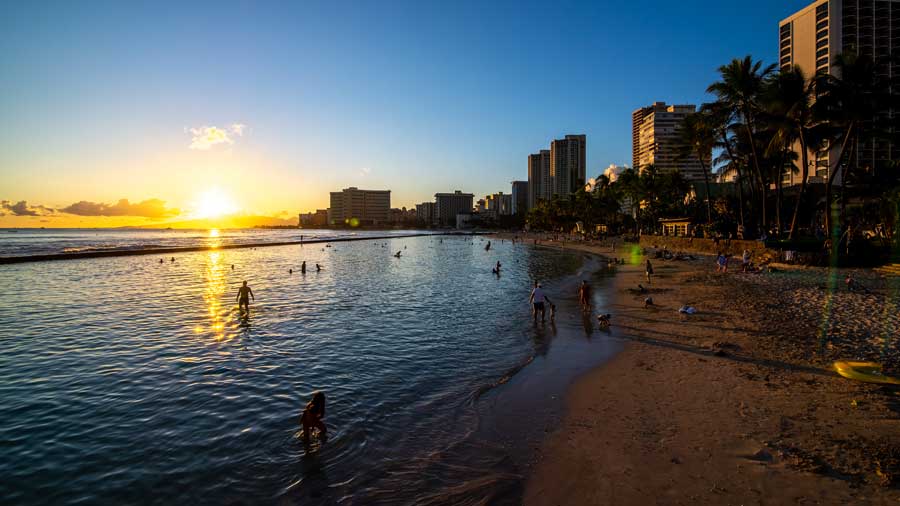
Oahu offers several temporary lodging possibilities, but the best option depends on your assigned installation, family size, transportation arrangements, and authorization.
Government lodging facilities are often the first place to check.
For families assigned to Joint Base Pearl Harbor-Hickam, options may include Navy Lodge Hawaii and Navy Gateway Inns & Suites facilities.
Military families assigned to Marine Corps Base Hawaii can inquire about the Inns of the Corps at Kaneohe Bay.
Availability and eligibility vary, particularly during the busy summer PCS season.
If government lodging isn’t available, an approved commercial hotel may be an option.
However, the rules for obtaining a Certificate of Non-Availability or similar documentation can affect reimbursement.
Before reserving a commercial hotel, ask the appropriate installation lodging or TLA office whether government lodging must be checked first and what written documentation is required.
Don’t assume that booking a hotel with a military discount automatically makes it eligible for TLA reimbursement.
A Certificate of Non-Availability, sometimes called a CNA or accompanied by a non-availability statement, documents that qualifying government lodging wasn’t available under the applicable circumstances.
At installations such as Joint Base Pearl Harbor-Hickam, local instructions emphasize checking government lodging availability before arranging certain off-base accommodations.
If required documentation isn’t obtained, reimbursement for a more expensive commercial hotel may be limited.
This can create an unexpected out-of-pocket expense for families who assume their entire stay will be covered.
The safest approach is to contact your gaining installation before making reservations, follow its lodging instructions, and retain the necessary documentation.
Because requirements differ by service and installation, don’t rely solely on advice from another family that PCS’d to Hawaii several years ago.
Temporary lodging arrangements don’t end when you check into your hotel.
You’ll also need to complete the required military and housing in-processing steps.
For example, Joint Base Pearl Harbor-Hickam guidance directs arriving personnel to report promptly to the appropriate housing office, generally within 72 hours, subject to the installation’s specific procedures.
This requirement can apply even when a service member intends to rent or buy off base rather than live in military housing.
Marine Corps Base Hawaii also has specific TLA and housing-office check-in requirements.
These appointments help establish or administer applicable lodging entitlements and explain the documentation needed for reimbursement.
Before arriving, ask your sponsor where and when you should report, especially if your flight arrives on a weekend or holiday.
Delaying required check-in can create complications with TLA processing.
One detail I encourage families to understand is that TLA generally works through reimbursement rather than simply having the government pay every lodging bill in advance.
Depending on the installation and applicable procedures, you may need to pay lodging expenses first and submit the required claims and receipts.
Reimbursement can be affected by the authorized lodging rate, family composition, meal facilities, and other factors.
That means your actual expenses and your approved reimbursement may not be identical.
Keep detailed lodging receipts and follow the instructions provided by your finance or TLA office.
If you’re staying in a commercial hotel, ask about payment schedules, taxes, parking fees, and other charges before booking.
You should also maintain enough accessible funds to cover expenses while claims are being processed.
This is especially important for families managing household-goods shipping, vehicle transportation, and other moving costs at the same time.
Bringing pets to Hawaii adds another layer of planning.
Not every military lodging facility or TLA-approved commercial hotel accepts animals, and pet-friendly rooms may be limited.
Some properties impose restrictions involving animal size, breed, number of pets, or additional charges.
You should also confirm whether pet-related lodging fees are reimbursable under your specific circumstances rather than assuming they are included in TLA.
Because Hawaii has strict animal-entry requirements, coordinate your lodging plans with your pet’s arrival arrangements. Our PCS to Hawaii With Pets guide explains the entry requirements, documentation, and timing considerations.
If you’re bringing a dog or cat, confirm both the current Hawaii animal-entry rules and your hotel’s pet policy before departure.
For many families, securing appropriate pet-friendly accommodations early is just as important as booking the flight.
Where you stay on Oahu can affect your first several weeks considerably.
A hotel in Waikiki might seem convenient because of its amenities, but it may not be the most practical location for daily trips to Schofield Barracks or Marine Corps Base Hawaii.
Similarly, a family assigned to Joint Base Pearl Harbor-Hickam may prefer accommodations that make reporting, housing appointments, and transportation easier.
Consider your installation, commute, available transportation, and whether your vehicle will arrive before or after your family.
If you’re traveling with children, laundry facilities, kitchen access, and sleeping arrangements can also make a substantial difference.
The cheapest nightly rate isn’t always the best overall option, especially when parking, meals, and transportation costs are considered.
However, convenience doesn’t override the applicable TLA rules. Always confirm that your selected accommodations meet the requirements for your situation.
Temporary lodging can be particularly useful for military families who want to evaluate neighborhoods and housing options after arriving on Oahu.
Some buyers prefer to purchase before their PCS so they can move directly into their new home.
Others want to see properties in person, understand commute patterns, and compare different neighborhoods before making a commitment.
Both approaches can work, but they involve different timelines and risks.
If you’re buying after arrival, temporary lodging may provide time to search for a home without immediately committing to a long-term rental.
However, TLA should not be treated as guaranteed financing for the entire home-buying process.
A VA purchase can involve pre-approval, property selection, inspections, appraisal, underwriting, and closing.
Even a well-prepared transaction may not close before a temporary lodging entitlement ends.
I recommend having a backup housing plan rather than assuming TLA will continue until you receive your keys.

Elias Halvorson | VA Loan Specialist | VA Mortgage Broker
HI Individual NMLS#1697041
HI Branch NMLS#1244222
WA #MLO-1697041
WA #MB-135622
When a military family asks me whether they should buy a home before arriving in Hawaii or wait until they’re on the island, I usually start by asking how much flexibility they have.
Some families already know Oahu well. They’ve been stationed here before, understand the neighborhoods, and have a clear idea of where they want to live.
Others are moving to Hawaii for the first time and aren’t sure whether they would prefer Ewa Beach, Mililani, Kaneohe, or another area.
For those families, temporary lodging can create breathing room.
But I don’t want anyone feeling pressured to buy a home simply because their hotel stay is ending.
Buying a property is a much bigger decision than choosing temporary accommodations.
I would rather help a family develop a realistic housing plan before arrival, understand their VA loan options, and know what they can comfortably afford.
That way, if they decide to buy, they’re making the decision because the property fits their family’s needs—not because they’re worried about running out of hotel days.
Your temporary lodging plan should connect to your longer-term housing strategy.
If you’re waiting for military housing, stay in contact with the housing office and understand how availability affects your lodging entitlement.
If you’re renting, allow time for applications, lease approval, deposits, and move-in arrangements.
If you’re buying, begin discussing your financing and expected timeline before you arrive.
Also consider what happens if your household goods haven’t been delivered when permanent housing becomes available.
Some installations offer lending lockers or temporary furniture assistance, depending on eligibility and availability.
Moving into a home without all your furniture may be inconvenient, but it can sometimes be preferable to remaining in temporary lodging longer than necessary.
The goal is to coordinate your housing, household goods, and transportation arrangements so that one delay doesn’t create unnecessary problems elsewhere.
Eligible service members may qualify for Temporary Lodging Allowance, which partially reimburses qualifying temporary lodging and meal expenses. The amount and duration depend on applicable rules and individual circumstances.
Installation guidance commonly describes an ordinary arrival period of up to 60 days, subject to eligibility and continued authorization. The full period isn’t automatically guaranteed.
Potentially, but you must follow your installation’s lodging requirements. Certain circumstances require checking government lodging availability and obtaining appropriate non-availability documentation before booking a commercial hotel.
No. Temporary Lodging Allowance and Basic Allowance for Housing serve different purposes and are administered under different rules. Ask your finance office how the applicable allowances interact during your move.
Potentially, if you remain eligible and comply with the applicable housing-search and lodging requirements. A pending home purchase does not automatically guarantee TLA through the closing date.
TLA may partially reimburse qualifying meal expenses as part of the applicable calculation. The amount depends on the relevant rules and lodging circumstances.
At installations such as Joint Base Pearl Harbor-Hickam, yes. Local instructions require housing-office check-in even for members planning to rent or purchase off-base housing.
Potentially, if the hotel and stay meet applicable requirements. Confirm the property’s pet policies and ask your TLA office about any additional charges.
Temporary lodging is only one part of preparing for a successful Hawaii PCS. Whether you’re waiting for military housing, considering a rental, or planning to purchase a home on Oahu, having a realistic housing strategy can make the transition easier.
As a Honolulu VA loan officer, Elias helps service members, veterans, and military families understand their VA home financing options before and after arriving in Hawaii.
If buying a home is part of your move, get personalized VA loan guidance tailored to your goals and timeline.
No pressure. Just honest advice, local expertise, and a plan built around your family’s future.

