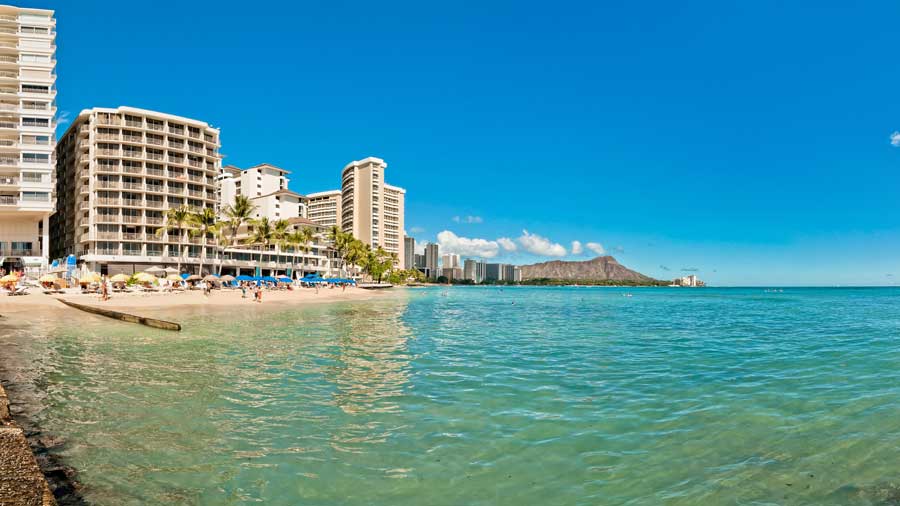
city view of Waikiki at night with lights and buildings

VA Assumable vs New VA Loan in Hawaii (Buyers Guide)

VA assumable vs new VA loan is one of the most important decisions Hawaii buyers face, especially with high home prices and elevated interest rates.

Both options can be powerful, but the right choice depends on interest rates, equity gaps, entitlement, and how long you plan to stay in the home. This guide breaks it down clearly, using Hawaiʻi-specific realities—not generic mainland advice.

Quick Summary

VA assumable loans

let buyers take over a seller’s low-interest rate, while new VA loans offer flexibility and full entitlement use. In Hawaii, assumables often lower payments, but new VA loans may be easier and safer depending on equity gaps and timelines.

TL;DR

  • VA assumable loans = lower interest rate, harder logistics
  • New VA loans = higher rate, cleaner process
  • Assumables often mean large cash gaps
  • New VA loans preserve full entitlement control
  • The “best” option depends on numbers, not headlines

Key Takeaways

  • VA assumables can dramatically reduce payments
  • New VA loans offer speed and flexibility
  • Equity gaps often erase assumable advantages
  • Entitlement mistakes can cost years of benefits
  • Expert guidance prevents expensive errors

Kona Big Island

What Is a VA Assumable Loan?

A VA assumable loan allows a buyer to take over the seller’s existing VA mortgage, including:

  • Interest rate
  • Remaining loan balance
  • Loan term

This is extremely attractive, because many VA loans from 2020 to 2022 carry rates far below today’s market.

What Is a New VA Loan?

A new VA loan is a fresh VA mortgage originated at current market rates.

Benefits include:

  • $0 down (when eligible)
  • No PMI
  • Flexible credit standards
  • Clean entitlement usage
  • Faster, more predictable closing

Side-by-Side Comparison: VA Assumable vs New VA Loan

FeatureVA Assumable LoanNew VA Loan
Interest RateKeeps seller’s rate (often lower)Current market rate
Down PaymentOften required (equity gap)$0 down possible
Equity GapBuyer must coverNone
Closing SpeedSlower (30–90+ days)Faster
Entitlement ImpactMay stay tied to sellerClean entitlement
AvailabilityRareWidely available
ComplexityHighModerate
Best ForCash-strong buyersMost VA buyers

Why This Decision Is Bigger in Hawaii

In Hawaiʻi:

  • Home prices are high
  • Small rate changes = big payment swings
  • Equity gaps can be six figures
  • Inventory is limited

A 2–3% interest rate difference can mean hundreds to thousands per month, making VA assumable loans very attractive—but also very risky if not structured correctly.

When a VA Assumable Loan Makes Sense in Hawaii

A VA assumable loan may be the smart move if:

  • The interest rate is significantly lower
  • You have cash or second financing for the equity gap
  • You plan to stay long-term
  • The servicer is responsive
  • Entitlement and liability are handled correctly

This strategy works best for well-prepared buyers, not first-time buyers rushing into an offer.

When a New VA Loan Is the Better Choice

A new VA loan is often better if:

  • You don’t have large cash reserves
  • You want a faster, cleaner closing
  • You need full entitlement flexibility
  • The assumable loan’s gap wipes out the rate benefit
  • You’re buying a condo or complex property

For many Hawaii buyers, the simplicity and certainty of a new VA loan are a winning choice, even at a higher rate.

pre-dawn view of Moku Island at Lanikai beach Oahu Hawaii

The Hidden Cost People Miss: The Equity Gap

This is the biggest misconception.

Example:

  • Purchase price: $1,000,000
  • Assumable VA loan balance: $700,000

You must bring $300,000 to the table.

If that cash could earn returns elsewhere—or if second financing is expensive—the “cheap rate” may not actually be cheaper.

Entitlement: The Long-Term Impact

With a new VA loan:

  • Your entitlement is clean
  • You retain full future VA buying power

With a VA assumption:

  • Entitlement may remain tied to the property
  • Seller may lose future VA flexibility
  • Substitution must be handled correctly

This matters greatly for military families who expect to PCS or buy again.

Buyer Reality Check

The smartest buyers:

  • Compare real monthly costs, not just rates
  • Factor in the opportunity cost of cash
  • Understand entitlement consequences
  • Choose flexibility when uncertain

There is no universal “best” option—only the best option for your situation.

Ready to Compare Your Best Option?

Choosing between a VA assumable loan and a new VA loan in Hawaiʻi isn’t about hype, it’s about math, timing, and long-term strategy.

Before you commit to either path, it helps to get VA loan guidance from someone who understands:

  • Hawaii pricing realities
  • VA entitlement strategy
  • Assumable loan pitfalls
  • Long-term military homeownership planning

I offer a free, no-obligation VA loan review to help you:

  • Compare assumable vs new VA loans side by side
  • Calculate the true cost of the equity gap
  • Protect your VA entitlement and flexibility
  • Decide which option is actually smarter for you

Request your personalized VA loan review. Educational, personalized, and always no pressure.

Waikiki City View

VA Assumable Homes in Hawaii: How Buyers Take Over Low Interest Rates

VA assumable homes allow buyers in Hawaii to take over an existing VA loan, keeping the seller’s interest rate, remaining balance, and terms instead of getting a brand-new mortgage at today’s higher rates.

In a high-cost market like Hawaiʻi, this strategy can be one of the smartest ways veterans and military families lower monthly payments and win homes others can’t.

Quick Summary

VA assumable homes let buyers assume an existing VA loan’s low interest rate and terms. In Hawaii, this can significantly reduce payments, but buyers must qualify and usually cover the seller’s equity gap.

TL;DR

  • VA assumable homes let buyers take over an existing VA loan
  • The biggest advantage is keeping a low interest rate
  • Buyers must qualify and usually bring funds for the equity gap
  • Sellers must secure a Release of Liability
  • Especially powerful in Hawaiʻi’s high-priced housing market

Key Takeaways

  • VA assumable homes let buyers buy at the rate
  • Hawaiʻi’s prices make assumptions uniquely valuable
  • Equity gaps and entitlement must be handled carefully
  • Seller protection through ROL is critical
  • Expert VA guidance dramatically improves success

Waikiki and Honolulu from Tantalus overlook on Oahu

What Is a VA Assumable Home?

A VA assumable home is a property with an existing VA-backed mortgage that can be transferred to a new buyer, subject to approval.

Unlike conventional loans, VA loans are assumable by law, meaning:

  • The buyer takes over the remaining loan balance
  • The interest rate stays the same
  • The original loan terms continue

This is not a refinance. It’s a transfer of the existing loan.

Why VA Assumable Homes Matter So Much in Hawaii

In Hawaiʻi, the challenge isn’t demand, it’s affordability.

VA assumable homes help because:

  • Many VA loans from 2020–2022 carry 2–4% interest rates
  • Today’s rates are often much higher
  • Keeping the old rate can save hundreds to thousands per month

On Oʻahu, Maui, and Hawaiʻi Island, this strategy can be the difference between qualifying for a home or being priced out.

The Biggest Catch: The Equity Gap

This is the #1 issue buyers underestimate.

Example:

  • Purchase price: $900,000
  • Existing VA loan balance: $650,000

The buyer must cover the $250,000 difference, typically using:

  • Cash
  • A second mortgage
  • HELOC or bridge loan
  • Structured hybrid financing

This is where many assumable deals fall apart without proper planning.

Who Can Assume a VA Loan?

VA loans can be assumed by:

  • Veterans
  • Active-duty service members
  • Non-veterans (yes, civilians can assume)

However:

  • Buyers must meet VA credit and income standards
  • The loan servicer must approve the assumption
  • A VA funding fee may apply (unless exempt)

VA Entitlement: What Sellers Must Understand

If a VA loan is assumed without the substitution of entitlement, the seller’s VA entitlement may remain tied to the loan.

Best-case scenario:

  • Buyer is VA-eligible
  • Buyer substitutes entitlement
  • Seller’s VA benefit is restored

This step is often misunderstood—and can quietly limit a seller’s future VA buying power.

Release of Liability (ROL): Absolutely Essential

A Release of Liability removes the seller’s legal responsibility for the loan.

Without it:

  • The seller can still be held liable
  • Late payments or default can damage the seller’s credit

Never assume this happens automatically. It must be documented.

How to Find VA Assumable Homes in Hawaii

VA assumable homes are rarely labeled clearly.

Smart search tips:

  • Scan listing remarks for “VA assumable” or “assumable at X%.”
  • Ask agents directly whether the seller has a VA loan
  • Focus on homes purchased or refinanced between 2020 and 2022

In Hawaiʻi, assumables are most common near:

  • Military bases
  • PCS-heavy neighborhoods
  • Veteran-owned communities

Waikiki Condos in Honolulu

Step-by-Step: How a VA Loan Assumption Works

VA loan assumptions are powerful—but they are process-heavy and often misunderstood. Below is the real-world process buyers and sellers in Hawaiʻi should expect.

Step 1: Confirm the Loan Is VA-Assumable

Verify that:

  • The loan is VA-backed
  • The loan is active and current
  • You identify the loan servicer (not the original lender)

Never rely solely on listing remarks—always confirm with the servicer.

Step 2: Review the Loan Details

Confirm:

  • Interest rate
  • Remaining loan balance
  • Monthly payment
  • Remaining loan term

This is where the value becomes clear—especially if the rate is far below today’s market rates.

Step 3: Calculate and Plan for the Equity Gap

The equity gap is the difference between:

  • Purchase price, and
  • Remaining VA loan balance

Buyers must have a clear funding plan using cash, second financing, or hybrid options.

This should be addressed before submitting an offer, not after.

Step 4: Buyer Submits the Assumption Package

The buyer submits a formal assumption application, typically including:

  • Credit and income documentation
  • Asset verification
  • Purchase contract
  • Assumption disclosures

The servicer underwrites the buyer using VA standards, but the rate and terms remain unchanged.

Step 5: Servicer or VA Approval

Some servicers can approve assumptions internally. Others require VA prior approval.

This is often the slowest step due to:

  • Servicer backlogs
  • Missing documents
  • Internal routing delays

Expect 30–90+ days.

Step 6: Address VA Entitlement and Substitution

If the buyer is VA-eligible:

  • Entitlement substitution may occur
  • Seller’s VA entitlement may be restored

If the buyer is not VA-eligible:

  • Seller’s entitlement may remain tied to the loan

This decision should be fully understood by the seller before proceeding.

Step 7: Issue the Release of Liability

The Release of Liability officially removes the seller from responsibility for the loan.

This is non-negotiable and must be issued in writing.

Step 8: Close Through Escrow

Once approved:

  • Equity funds are collected
  • Title transfers
  • The VA loan remains in place under the buyer’s name

The buyer officially assumes the loan—same rate, same terms.

Step 9: Post-Closing Verification

After closing:

  • Confirm that loan servicing reflects the new borrower
  • Retain copies of assumption approval and ROL
  • Verify seller liability is fully removed

VA Assumable Homes FAQs

Are VA loans always assumable?

Yes, but approval is required.

Can a civilian assume a VA loan?

Yes, though entitlement may remain with the seller.

Is there a VA assumption fee?

Typically, 0.5% of the remaining balance unless exempt.

Are VA assumable homes hard to close?

They can be due to equity gaps and servicer delays.

Is assuming a VA loan worth it in Hawaii?

When structured correctly, it can be one of the most powerful strategies available.

Ready to See If a VA Assumable Home Makes Sense for You?

VA assumable homes can be an incredible opportunity in Hawaiʻi, but only when the numbers, entitlement, and liability are handled correctly.

Before you make an offer or chase a low-rate headline, it helps to speak with someone who specializes in VA loans, Hawaii pricing realities, and assumption strategy, not generic mortgage advice.

I help Hawaiʻi veterans and military families:

  • Compare VA assumable homes vs. new VA loans
  • Understand the true cost of the equity gap
  • Protect VA entitlement and liability
  • Avoid costly assumption mistakes
  • Decide whether assuming a loan is truly the smart move

If you’d like, you can request a free, no-obligation VA loan review—educational, personalized, and no pressure.

Get trusted VA loan guidance from someone who works with Hawaiʻi VA buyers every day.

Request your personalized VA loan or assumable-loan review and see your best path forward.

Current VA Mortgage Rates - Aerial view of Waikiki looking towards Honolulu on Oahu

VA Loan Assumption in Hawaii: What Buyers and Sellers Need to Know

Learn how VA loan assumption works in Hawaii, who qualifies, pros & cons, and why assumable VA loans can save buyers thousands.

A VA loan assumption in Hawaii can be one of the most powerful—and misunderstood—advantages available to homebuyers and sellers, especially in today’s higher-interest-rate environment.

If you’ve heard that VA loans are “assumable” but aren’t sure what that actually means, this guide breaks it down clearly and explains why this feature can be a game-changer in Hawaiʻi’s high-priced housing market.

Quick Summary

A VA loan assumption allows a qualified buyer to take over an existing VA mortgage—including its interest rate and terms—often resulting in lower payments and reduced closing costs, especially when current rates are higher than the original loan.

TL;DR

  • VA loans are generally assumable
  • Buyers can take over the seller’s existing interest rate
  • Both veterans and non-veterans may qualify
  • Equity differences must be paid at closing
  • Assumptions can be especially valuable in Hawaii

What Is a VA Loan Assumption?

A VA loan assumption allows a buyer to step into the seller’s existing VA mortgage and continue paying it under the same terms, including:

  • Interest rate
  • Loan balance
  • Remaining repayment period

Unlike most conventional loans, VA loans were designed to be assumable—with lender and VA approval.

This feature becomes extremely valuable when current market rates are higher than the original VA loan rate.

Who Can Assume a VA Loan in Hawaii?

One of the most surprising facts:
You do NOT have to be a veteran to assume a VA loan.

A VA loan can be assumed by:

  • Another eligible Veteran
  • A non-Veteran buyer

As long as the buyer:

  • Meets the lender’s credit and income requirements
  • Is approved by the lender and the VA

However, entitlement rules matter (more on that below).

Why VA Loan Assumptions Are So Powerful in Hawaii

Hawaii’s real estate market makes VA loan assumptions especially attractive.

1. Locking in a Lower Interest Rate

If a seller has a VA loan at a significantly lower rate than today’s market, the buyer can inherit that rate—often saving hundreds or even thousands per month in payment compared to a new loan.

In Hawaii’s high-price market, this advantage is amplified.

2. Lower Closing Costs Than a New Mortgage

Assuming a VA loan typically avoids many of the costs associated with originating a brand-new mortgage.

Instead of full loan closing costs, buyers usually pay:

  • A VA assumption funding fee (typically 0.5% of the loan balance)
  • Standard processing and administrative fees

Many veterans who are exempt from VA funding fees may also be exempt from the assumption fee.

3. A Major Resale Advantage for VA Sellers

For sellers, an assumable VA loan can:

  • Attract more buyers
  • Differentiate the home from competing listings
  • Be especially compelling when rates are high

Homes with low-rate assumable VA loans can stand out in Hawaii’s competitive market.

The Biggest Challenge: Paying the Seller’s Equity

Here’s the trade-off.

When a buyer assumes a VA loan, they must pay the seller:

The difference between the home’s price and the remaining loan balance

Example:

  • Home price: $900,000
  • Remaining VA loan balance: $600,000
  • Buyer must cover: $300,000

That equity can be paid via:

  • Cash
  • Secondary financing (if allowed)

This is often the biggest hurdle for VA loan assumptions.

How VA Entitlement Is Affected

This is one of the most important—and often overlooked—parts of VA loan assumptions.

If the Buyer Is a Veteran

  • They can substitute their VA entitlement
  • The seller’s entitlement may be restored

If the Buyer Is NOT a Veteran

  • The seller’s VA entitlement remains tied to the loan
  • This can limit the seller’s ability to use the VA loan again until the loan is paid off

This is why VA loan assumptions should always be reviewed carefully with a VA-experienced professional.

VA Loan Assumption vs. Getting a New VA Loan

FeatureVA Loan AssumptionNew VA Loan
Interest rateExisting (often lower)Current market
Closing costsTypically lowerFull closing costs
Down paymentEquity differenceOften $0
Entitlement impactDepends on buyerClean reset
SpeedOften fasterStandard timeline

Both options can make sense—but assumptions are situational and require careful planning.

How the VA Loan Assumption Process Works in Hawaii

  1. Identify a home with an assumable VA loan
  2. Review loan terms and remaining balance
  3. Apply for lender and VA approval
  4. Resolve equity payment and entitlement issues
  5. Close the assumption

Local experience matters here—Hawaii transactions have unique timing, appraisal, and escrow considerations.

Thinking About a VA Loan Assumption in Hawaii?

VA loan assumptions can be incredibly powerful—but they’re not one-size-fits-all.

Before making a move, get personalized VA loan guidance from someone who understands VA rules, entitlement strategy, and Hawaii’s local market realities.

Reach out to Elias, the VA Loan Guy, for a free, no-obligation personalized VA loan review.
You’ll get clear answers on whether a VA loan assumption makes sense for your situation—no pressure, just expert insight tailored to you.

First-time-home-buyers-in-hawaii

Hawaii VA Loan Guide for First-Time Homebuyers (What You Need to Know)

If you’re a first-time homebuyer in Hawaii, using a VA loan can be the smartest path to homeownership—especially in one of the most expensive housing markets in the country.

This Hawaii VA loan for first-time homebuyers guide explains how the VA loan works, why it’s uniquely powerful in Hawaiʻi, and what first-time buyers need to know to avoid costly mistakes.

Quick Summary

First-time homebuyers in Hawaii can use VA loans to purchase with $0 down, no monthly mortgage insurance, competitive interest rates, flexible qualification standards, and long-term refinance options—making homeownership more attainable despite high prices.

TL;DR

  • VA loans allow $0 down for eligible Hawaii buyers
  • No PMI keeps monthly payments lower
  • VA loans are ideal for first-time buyers with limited savings
  • Hawaii’s market makes VA benefits especially valuable
  • Local VA expertise matters more than most buyers realize

Key Takeaways for First-Time Buyers

  • VA loans remove the biggest barriers to buying in Hawaii
  • $0 down and no PMI dramatically improve affordability
  • First-time buyers often benefit the most from VA loans
  • Local VA expertise is critical in Hawaii’s market

Why VA Loans Are Ideal for First-Time Buyers in Hawaii

Hawaii presents unique challenges for first-time buyers:

  • High home prices
  • Limited inventory
  • Strong competition
  • High cost of living

VA loans were designed to remove common barriers to entry—and that makes them especially effective for military families buying their first home in Hawaiʻi.

1. $0 Down Payment: The Biggest Advantage for First-Time Buyers

One of the most powerful benefits of a VA loan is the ability to buy a home with no down payment, even in Hawaii.

For first-time buyers, this means:

  • You don’t need years of savings
  • You can preserve cash for emergencies
  • You’re not priced out by down payment requirements

With full VA entitlement, there are no VA loan limits, even in high-cost areas like Oʻahu or Maui.

2. No Monthly Mortgage Insurance (PMI)

Most first-time buyers using conventional or FHA loans pay monthly mortgage insurance.

VA loans do not require PMI—even with $0 down.

In Hawaii, this can:

  • Save hundreds per month
  • Improve affordability
  • Increase buying power

For many first-time buyers, this difference alone determines whether buying is possible.

3. Competitive Interest Rates That Improve Affordability

Because VA loans are backed by the Department of Veterans Affairs, lenders often offer lower interest rates compared to conventional loans.

Why this matters in Hawaii:

  • Even small rate differences = large long-term savings
  • Lower rates improve approval odds
  • Payments stay more manageable

This is especially important for first-time buyers balancing housing costs with Hawaii’s overall cost of living.

4. Flexible Qualification Standards (Compared to Other Loans)

VA loans are built to emphasize the ability to repay, not just the credit score alone.

VA underwriting considers:

  • Stable income
  • Residual income (very important in Hawaii)
  • Overall financial picture

Many first-time buyers qualify for VA loans when they wouldn’t qualify for conventional financing.

5. Understanding the Hawaii Housing Market as a First-Time Buyer

First-time buyers in Hawaii need to understand:

  • Prices vary widely by island and neighborhood
  • Homes may have unique construction styles
  • Competition can be intense

VA loans are widely accepted in Hawaii—but working with professionals who understand local VA appraisals and property conditions can prevent delays.

6. Special Property Considerations in Hawaii

Hawaii homes may involve:

  • Flood zones
  • Tropical wear and maintenance
  • Elevated structures or older construction

VA appraisals focus on safety, livability, and habitability—not cosmetic issues—but local knowledge matters.

7. VA Funding Fee: What First-Time Buyers Should Know

VA loans include a one-time VA funding fee, which:

  • Helps keep VA loans affordable long-term
  • Can usually be rolled into the loan
  • Is waived for many veterans with service-connected disabilities

There is no monthly insurance, which offsets this upfront cost for most buyers.

8. VA Loans Are Assumable (A Long-Term Advantage)

VA loans are generally assumable, meaning a future buyer may take over your loan and interest rate (with approval).

For first-time buyers, this creates:

  • Strong resale potential
  • Added value if rates rise in the future
  • A unique advantage many buyers overlook

9. Built-In VA Support If Financial Hardship Happens

VA borrowers benefit from:

  • Foreclosure avoidance assistance
  • VA oversight of loan servicers
  • Veteran-focused support resources

This safety net is rarely discussed—but extremely valuable for first-time homeowners.

Common First-Time Buyer Mistakes to Avoid in Hawaii

  • Waiting too long to get pre-approved
  • Assuming VA loans are “harder” to use
  • Working with professionals unfamiliar with VA loans
  • Underestimating the monthly costs unique to Hawaii

Education and local guidance make a measurable difference.

Ready to Buy Your First Home in Hawaii?

If you’re a first-time buyer using a VA loan, personalized guidance matters.

Before making offers or committing to a lender, connect with trusted VA loan guidance from someone who understands both VA loans and Hawaii’s unique housing market.

Understanding what to expect and implementing these tips can make the process smoother and more manageable. As your guide on this journey, we’re here to assist you every step of the way. Let Elias help you navigate through this process-whether you’re wondering how the VA home loan process works, or you’re ready to start the journey, Elias is here to guide you.

Contact us today, and let’s start your journey to homeownership together.

Honolulu-Coastline

Key Benefits of the VA Home Loan in Hawaii (What Veterans Should Know)

Discover the key benefits of the VA home loan in Hawaii—$0 down, no PMI, lower rates, and why it’s the smartest way veterans buy homes in 2026.

The key benefits of the VA home loan in Hawaii make it one of the most powerful home-buying tools for veterans, active-duty service members, and eligible surviving spouses—especially in one of the most expensive housing markets in the country.

If you’re trying to buy a home in Hawaiʻi and wondering how other military families are doing it without massive down payments, the VA loan is often the answer.

Quick Summary

VA home loans in Hawaii offer $0 down payment options, no monthly mortgage insurance, competitive interest rates, flexible qualification guidelines, assumable loans, and strong refinance programs—making homeownership more achievable despite Hawaii’s high home prices.

TL;DR

  • VA loans allow $0 down, even in Hawaii’s high-cost market
  • No PMI keeps monthly payments lower
  • Competitive VA rates often beat conventional loans
  • VA loans are assumable, a major resale advantage
  • Special VA refinance options help veterans long-term
  • Key Takeaways
  • VA loans remain one of the strongest home-buying tools in Hawaii
  • $0 down and no PMI dramatically improve affordability
  • Assumable loans and refinance options add long-term value
  • Hawaii veterans benefit most when working with VA-focused experts

1. $0 Down Payment in a High-Cost Hawaii Market

One of the most important benefits of a VA home loan in Hawaii is the ability to buy with no down payment, even when home prices exceed mainland averages.

With full VA entitlement:

  • There are no VA loan limits
  • You are not required to put money down solely because of price
  • Qualification is based on income, credit, and appraisal—not arbitrary caps

This is a game-changer in markets like Oʻahu, Maui, and Hawaiʻi Island.

2. No Monthly Mortgage Insurance

Unlike conventional loans (PMI) or FHA loans (MIP), VA loans do not require monthly mortgage insurance, even with $0 down.

In Hawaii, this can mean:

  • Hundreds saved each month
  • Better debt-to-income ratios
  • Greater long-term affordability

For many veterans, this single benefit makes homeownership realistic.

3. Competitive Interest Rates Backed by the VA

Because the VA guarantees a portion of the loan, lenders often offer lower interest rates compared to conventional financing.

In Hawaii’s market, even a small rate difference can equal:

  • Tens of thousands saved over time
  • Easier qualification
  • More buying power

This is one reason VA loans remain popular even when rates fluctuate.

4. Flexible Qualification Guidelines

While lenders still set standards, VA loans are designed to be more forgiving than many conventional programs.

VA underwriting focuses on:

  • Stable income
  • Residual income (important in Hawaii)
  • Ability to repay—not just credit score alone

This helps many veterans qualify when other loan types fall short.

5. Assumable Loans: A Hidden Advantage in Hawaii

VA loans are generally assumable, meaning a future buyer may be able to take over your existing VA loan and interest rate.

Why this matters in Hawaii:

  • Low VA rates become a powerful resale advantage
  • Homes with assumable VA loans can attract more buyers
  • This feature becomes more valuable when rates rise

Many buyers don’t realize this benefit exists—until it becomes a matter of importance.

6. VA Funding Fee Flexibility

VA loans include a one-time VA funding fee, which helps keep the program running without monthly insurance.

Key points:

  • The fee can usually be rolled into the loan
  • Many veterans with service-connected disabilities are exempt
  • No monthly insurance offsets the upfront cost for most borrowers

This keeps upfront cash requirements lower, which is critical in Hawaii.

7. Powerful VA Refinance Options for Hawaii Homeowners

VA loans aren’t just for buying—they’re built for long-term flexibility.

VA IRRRL (Streamline Refinance)

  • Designed to lower the rate of payment
  • Minimal documentation
  • Faster process for existing VA borrowers

VA Cash-Out Refinance

  • Access home equity
  • Refinance into a VA loan from another loan type
  • Often used for debt consolidation or renovations

8. No Prepayment Penalty

VA loans allow you to:

  • Pay extra principal anytime
  • Pay off your loan early
  • Refinance when it makes sense

There are no penalties for smart financial decisions.

9. Built-In VA Support if Financial Hardship Happens

The VA provides additional borrower protections, including:

  • Foreclosure avoidance assistance
  • Servicer oversight
  • Veteran-specific support resources

This safety net is often overlooked but extremely valuable.

Hawaii-Specific Considerations Veterans Should Know

  • Full entitlement = no loan limits, even in high-price areas
  • Appraisals may consider island-specific property conditions
  • Local expertise matters more in Hawaii than in most states

Working with a professional who understands Hawaii VA loans can prevent costly delays.

Ready to See How These Benefits Apply to You?

If you’re considering buying or refinancing in Hawaiʻi, getting personalized guidance matters.

Before you move forward, connect with trusted VA loan guidance from a Hawaii-based expert who understands both the VA loan program and the local market.

Contact Elias to find out more about eligibility requirements for Hawaii VA home mortgages.

2022 veterans of Hawaii scholarship

Article updated: January 1, 2026

Quick Summary: Veterans of Hawaii Scholarship

The Veterans of Hawaii Scholarship Program was created to support veterans and their families pursuing higher education in Hawaii. During the 2022 cycle, the program awarded financial assistance to help offset education-related expenses not fully covered by the GI Bill® or other federal benefits. This page is maintained as a reference for past recipients and those interested in future scholarship opportunities or veteran-focused resources in Hawaii.

TL;DR: Veterans of Hawaii Scholarship

  • The 2022 Veterans of Hawaii Scholarship awarded $2,000 total to four recipients
  • Each recipient received $500 toward tuition or qualifying education expenses
  • Eligible applicants included veterans or dependents attending a Hawaii college or university
  • Applicants were required to submit a 400–600 word essay
  • The 2022 scholarship cycle is closed, and this page is for reference only

Key Takeaways: What This Scholarship Represents

  • The Veterans of Hawaii Scholarship was designed to bridge financial gaps left after GI Bill® and federal education benefits
  • It reflects a commitment to supporting veterans and military families navigating higher education in Hawaii
  • Programs like this recognize the unique challenges veterans face, including relocation, deployment transitions, and the cost of living
  • While the 2022 cycle has ended, similar initiatives and veteran-focused resources continue to play an important role across the islands
  • Veterans exploring future opportunities may also benefit from education planning and long-term financial guidance alongside scholarship programs

Aloha!

We warmly welcome you to the 2022 Veterans of Hawaii Scholarship Program—an initiative honoring the brave men and women who have served our nation and call the islands of Hawaii home.

This page summarizes the 2022 scholarship cycle and is kept for reference. For future opportunities—or to learn about financing—see our Hawaii VA home loans guide.

About the Veterans of Hawaii Scholarship

VA mortgage refinancing on Oahu is available to service members like the one shown in the picture. Active-duty homeowners are able to refinance mortgages in Hawaii with an existing VA Loan.Created to assist veterans and their dependents with the cost of higher education, the Veterans of Hawaii Scholarship awarded $2,000 total to four recipients ($500 each) for tuition at a college or university in Hawaii. While the GI Bill® and other federal programs cover much of the cost, financial gaps often remain—books, fees, and other expenses. This scholarship helps close that gap.

Who Was Eligible (2022)

  • Veterans of the U.S. Armed Forces, or a dependent of a service member
  • Attending or planning to attend a university or college in Hawaii during the 2022–2023 school year

Why This Scholarship Matters in Hawaii

Veterans and military families in Hawaii often navigate higher costs of living, frequent relocations, and the transition to civilian life. Even with federal benefits, uncovered expenses can persist. This scholarship helped students stay on track toward degrees and certificates that open doors across the islands.

Empowering Veterans through the Hawaii Scholarship Initiative and Beyond

Initiative programs such as the Veterans of Hawaii Scholarship aim to close the remaining gaps by offering veterans opportunities to access additional funding for tuition expenses not covered by the GI Bill or other federal tuition assistance programs. Moreover, aside from financial assistance programs and scholarships, veterans and their family members may also benefit from tuition discounts offered by educational institutions.

How to Apply for the Scholarship

To begin with, eligible applicants for the scholarship must submit a 400 to 600-word essay describing how military service affected them or their families. Furthermore, to qualify for the scholarship, applicants must be a veteran of the armed forces or a dependent of a service member. They should be attending or planning to attend a university or college in Hawaii during the 2022-2023 school year.

Deadline and Announcement Details

Firstly, submit your qualifying essay by October 1st, 2022. Next, mark your calendars for the announcement of the four chosen recipients for this year’s Veterans of Hawaii Scholarship on October 31st, 2022. Lastly, apply for the 2022 scholarship by visiting the Veterans of Hawaii page here.

About the Scholarship Sponsor

Elias Halvorson created the Veterans of Hawaii Scholarship to help military veterans and their families succeed in pursuing higher education. He understands many families’ challenges, such as deployments, relocating to new duty stations, and re-adjusting to civilian life after the military. Adjusting to civilian life presents its own set of issues like unemployment or homelessness. This transition to civilian life can frequently be alleviated by pursuing higher education. In addition, Elias understands that higher education costs can create barriers for veterans and their families. He believes in increasing college accessibility and is excited to give back through the scholarship. Elias hopes it will grow over time as a token of gratitude for their service.

FAQs (2022)

Who could apply?

Veterans or dependents attending a Hawaii college or university in 2022–2023.
Essay length?
400–600 words.
Disbursement?
Awards were typically paid directly to the institution to offset qualified educational expenses.
Can I apply now?
The 2022 cycle is closed. Please check our latest announcements for future opportunities.

Ala Wai Canal Hotels, Condos, and Trees on a nice day in Waikiki on Oahu

Your Guide to VA approved condos in Hawai’i

Article updated: January 1, 2026

To use a VA loan on a Hawaii condo, the project (not just the unit) must be VA-approved. Start
with a VA approved condo lookup to create your own approved VA condo list. If the project isn’t
listed, your lender can coordinate the VA condo approval process with the HOA/management by
submitting financials, insurance, bylaws, occupancy, and delinquency data. In Hawaii, watch for
leasehold terms, short-term rental/condotel operations, active litigation, and reserve
funding—these can slow or sink approvals. If you’re on a PCS to Hawaii timeline, begin
document collection immediately and consider keeping a short list of VA loan approved condos
as backup options.

Quick Summary: VA Approved Condos in Hawaii

Buying a condo in Hawaii with a VA loan requires more than just qualifying as a borrower—the entire condo project must be VA approved. Even if a unit looks perfect, issues like leasehold terms, short-term rental operations, HOA litigation, weak reserves, or high investor ratios can delay or block approval. Veterans and active-duty buyers on PCS orders should start with a VA approved condo lookup, keep a backup list of approved projects, and work with a lender experienced in Hawaii condo approvals to avoid costly timeline surprises.

TL;DR: VA Approved Condos in Hawaii

  • You can only use a VA loan on a condo if the entire project is VA approved.
  • If a condo isn’t approved, your lender can request approval—but HOA cooperation and timelines matter.
  • Common Hawaii deal-breakers include leasehold properties, condotels, active litigation, underfunded reserves, and high investor ratios.
  • PCS buyers should start the approval process immediately and keep a short list of already-approved condos as backup.
  • Your Hawaii BAH can support ownership, but HOA dues and insurance must be included in realistic payment planning.
  • Working with a local expert who provides VA loan guidance for Hawaii condos helps avoid delays, surprises, and lost contracts.

Key Takeaways for VA Condo Buyers in Hawaii

  • VA approval applies to the condo project, not just the unit. Always verify approval status before making an offer.
  • Unapproved condos aren’t deal-killers—but timelines matter. HOA document collection and VA review can take weeks.
  • Hawaii has unique risk factors like leasehold properties, condotels, spalling repairs, and reserve shortfalls that require early screening.
  • PCS buyers should act immediately. Start approval requests on day one and keep already-approved condos as backup options.
  • BAH can support ownership, but HOA dues, insurance, and taxes must be factored into realistic payment planning.
  • Working with a local lender who provides VA loan guidance for Hawaii condos can reduce risk, save time, and protect your contract.

How VA Approval Works for Condos (and why it’s different)

When you’re buying a condo in hawaii with a VA loan, you’re also buying into the association’s
finances, rules, and shared structures. That’s why the VA looks at the entire project, not only the
unit. A project on the VA approved condo Search means VA has reviewed core risk items
(budget strength, insurance, litigation, occupancy mix, and leasing rules). If it’s not there, your
lender can pursue approval—provided the association participates.

Key idea: approval = lower project risk for veterans and the VA.

Aerial of Honolulu Cityscape

The VA Condo Approval Process (step-by-step)

  1. Pre-check / Triage
    Run a VA approved condo lookup. If approved, you can proceed with normal VA
    underwriting. If not, you and your lender decide whether to pivot to another building or
    request project approval.
  2. Document Collection (HOA/Management)
    Typical items: CC&Rs/Bylaws/House Rules, operating budget & YTD actuals, reserve
    study/schedule, master insurance (hazard/liability/fidelity, flood where applicable),
    owner-occupancy & investor ratios, delinquency report, litigation statement, leasing
    rules, special assessments, and management agreement.
  3. Packaging & Submission (Lender role)
    Your VA-experienced lender organizes the package and submits to the VA for project
    review. Expect follow-up questions back to the HOA.
  4. Review & Decision (VA role)
    VA analyzes financial health, risk concentrations, insurance sufficiency, governance, and
    any ineligible characteristics (e.g., hotel-like features). If approved, the project is added
    to the VA loan approved condos list.
  5. Post-Approval
    Future buyers can also use VA financing in the project, reducing friction on resales.

Who Does What (so nothing falls through the cracks)

  • Buyer/Agent: Identify target buildings, gather contact info for HOA/manager, set
    expectations with the seller about timelines if approval is needed.
  • HOA/Manager: Provide accurate, complete docs and timely answers; disclose litigation,
    assessments, and leasing rules.
  • Lender (VA Loan specialist): Confirm current project status, package and submit to VA,
    manage follow-ups, and keep all parties on timeline.
  • VA: Review the project for eligibility and risk criteria.
Ala Wai Canal Hotels, Condos, Golf Course, and Coconut Trees on a nice day in Waikiki

Hawaii-Specific Issues That Can Affect Approval

  • Leasehold vs. Fee Simple: Short remaining lease terms, renegotiation dates, and
    escalating lease rents can create financing hurdles. Verify early.
  • Condotel/Hotel-Like Operations: Nightly rentals, a front desk, pooled income, or hotel
    licenses can tip a project into “ineligible.”
  • Active or Recent Litigation: Especially for structural/water intrusion cases, can delay or
    derail approvals.
  • Reserve Funding & Big Repairs: Underfunded reserves + known major capital projects
    (spalling, elevators, roofs) signal a higher risk.
  • Investor & Delinquency Ratios: High investor concentration and late HOA accounts are
    both risk flags.
  • Parking/Storage Title: Confirm appurtenant rights vs licenses or separate interests
    (common in older buildings).

Timeline Expectations (typical, not promises)

  • Document collection & HOA responses: 1–2+ weeks
  • Lender packaging & VA submission: ~3–7 days
  • VA review & follow-ups: 2–6+ weeks (depends on complexity/responsiveness)
    If you’re on a PCS to Hawaii clock, start the request on day one and keep a backup list of
    VA loan approved condos.
Wavy water on ocean off Kaimana Beach with hotels and condos

BAH + VA Strategy: Turn your PCS into equity

Your Hawaii BAH is designed for the local cost of living. Instead of renting for 2–3 years, many
service members use BAH to support ownership in a VA-approved project. Pro tip: model
payments with realistic HOA dues, insurance, and property tax estimates—not just the principal
& interest—so your numbers hold up in escrow.

How to Run a Smart VA Approved Condo Search (Hawaii)

  1. Start with known-good projects. Ask your agent and VA lender for recent closings in
    approved buildings.
  2. Filter by lifestyle and commute. Prioritize neighborhoods with workable drive times to
    JBPHH, Schofield, or MCBH—and HOA rules that fit your life (pets, parking, storage).
  3. Screen for red flags early. Leasehold terms, nightly rentals, or visible hotel
    operations—ask before you tour.
  4. If not approved, decide fast. Approve the project (start docs immediately) or pivot to a
    similar, already-approved building.

FAQs: VA Approved Condos in Hawaii

Q: Can I use a VA loan on a condotel or nightly-rental building?
A: Hotel-like operations (front desk, pooled income, nightly rentals) often make the project
ineligible. Ask early.

Q: What if the condo isn’t approved yet?
A: Your lender can pursue project approval with the HOA. Balance timeline risk by keeping a
shortlist of already-approved options.

Q: I’m on orders (PCS to Hawaii). Can I close before I arrive?
A: Yes—speak with your lender about occupancy timing. VA generally expects owner-
occupancy as a primary residence, typically within 60 days of closing.

Q: Does leasehold kill VA financing?
A: Not automatically, but short remaining lease terms or big rent escalations can limit eligibility
and marketability. Vet the lease terms in detail.

Q: How does HOA litigation affect me?
A: It can delay or derail approval and may affect insurance/costs. Get the status in writing and
discuss with your lender and agent.

Next Steps (and a smarter way to start)

  • Run your VA approved condo search with a short list of proven projects.
  • If your dream building isn’t approved, launch the VA condo approval process immediately using the email template above.
  • Model payments using Hawaii BAH and realistic HOA dues.
  • Work with a local team that lives VA in Hawaii daily.

Ready to start or need a fast VA approved condo lookup? I can check status, request HOA docs, and map out timelines for your PCS window.

view of Hawaii buildings near the beach

Article updated: January 1, 2026
When searching for a home in paradise, one of the biggest questions buyers ask is: “Are mortgage rates in Hawaii different from the rest of the U.S.?” The short answer is yes and no. While Hawaii mortgage rates often move in step with national trends, several unique factors—like property type, loan program, and even non-warrantable condos—can influence what you’ll pay.

In this guide, we’ll cover everything you need to know about mortgage rates in Hawaii, how they compare to mainland rates, and what factors affect your approval. We’ll also share how to use a mortgage calculator that Hawaii buyers trust to estimate your monthly payment and find the right loan.

Quick Summary: Mortgage Rates in Hawaii

Mortgage rates in Hawaii generally follow national trends, but local factors often influence what buyers actually pay. Higher home prices can push borrowers into jumbo loans, while condos—especially non-warrantable properties common in resort areas—may carry higher interest rates and stricter requirements. Loan type, credit score, down payment, and property details all play a major role. Using a Hawaii mortgage calculator and understanding how VA, jumbo, and condo loans differ helps buyers make informed decisions before locking a rate.

Hawaii Mortgage Rates at a Glance

  • Hawaii mortgage rates usually track mainland averages, but loan type and property type matter more than location alone
  • VA loans often offer lower rates and no PMI compared to conventional or jumbo loans
  • Jumbo loans are common in Hawaii due to high home prices and may come with slightly higher rates
  • Condos—especially non-warrantable condos—often carry higher rates and stricter requirements
  • Credit score, down payment, and debt-to-income ratio heavily affect your rate
  • A Hawaii mortgage calculator is the best way to compare real monthly payments before you buy or refinance

Key Takeaways: What Buyers Should Know About Hawaii Mortgage Rates

  • Hawaii mortgage rates aren’t automatically higher, but property type and loan structure can change your pricing
  • VA-eligible buyers have a major advantage in Hawaii’s high-priced market
  • Condos require extra scrutiny, especially in resort and high-investor buildings
  • Jumbo vs. VA vs. conventional loans can result in very different payments—even with the same credit score
  • Comparing lenders and running scenarios early can save thousands over the life of the loan
  • Working with a local expert who understands Hawaii-specific lending rules helps avoid surprises and delays
view of busy Hawaii street

Are Hawaii Mortgage Rates Different from Mainland Rates?

Mortgage rates in Hawaii are tied to the same national market forces as everywhere else in the U.S.—mainly the Federal Reserve’s policies, inflation, and the bond market. However, there are Hawaii-specific variables:

  • Higher Property Prices
    Hawaii’s median home price is significantly higher than the national average. That means larger loan balances, which can push buyers into jumbo loan territory. Jumbo loans often come with slightly higher interest rates or stricter qualifications.
  • Loan Types Unique to Hawaii
    Non-warrantable condos (common in resort areas like Waikīkī or Maui) may carry higher rates because they’re considered riskier to lenders.
  • Local Lending Competition
    Some local credit unions and lenders in Hawaii may offer special loan programs, affecting how competitive Hawaii mortgage rates can be compared to big mainland banks.

In general, you’ll see Hawaii home loan rates very close to mainland averages, but property type and loan size often shift the numbers.

What Factors Affect Mortgage Rates in Hawaii?

When lenders set your Hawaii mortgage loan rate, they consider both personal and property-specific factors:

  1. Credit Score
    Your credit score plays a major role. A borrower with a 760+ score could see significantly lower HI mortgage rates compared to someone in the mid-600s.
  2. Loan Type
    • Conventional loans: Standard loans tied to Fannie Mae and Freddie Mac limits.
    • Jumbo loans: Needed when the loan exceeds conforming limits (common in Hawaii). These may come with slightly higher rates.
    • VA loans: Available to veterans and service members, often with lower Hawaii home interest rates and no down payment.
    • FHA loans: Flexible qualification, but with added mortgage insurance.
  3. Property Type
    • Single-family homes usually qualify for the lowest rates.
    • Condos can carry added risk depending on the building’s financial health.
    • Non-warrantable condos (where investor ownership is high, or the HOA has legal/financial red flags) often require specialized lenders and higher rates.
  4. Loan-to-Value (LTV) Ratio
    The size of your down payment matters. A higher down payment (lower LTV) usually secures better rates.
  5. Debt-to-Income Ratio
    Lenders want to see that your income can comfortably handle your mortgage and other debts.
  6. Market Conditions
    Even if you’re the perfect borrower, Hawaii mortgage rates rise and fall with national economic shifts.
aerial view of hawaii

Average Hawaii Mortgage Rates vs. National Averages

While exact numbers change daily, historically:

  • Conforming loan rates in Hawaii stay very close to national averages.
  • Jumbo loans (common in Hawaii due to high home values) sometimes carry a small premium.
  • Refinance mortgage rates Hawaii borrowers get typically align with purchase rates, but timing can make a big difference.

Tip: Always compare at least three lenders (local, regional, and national) to get the best offer.

Tools: Hawaii Mortgage Calculator

Before you shop for homes, use a Hawaii mortgage calculator to estimate your monthly payment. Input:

  • Home price
  • Down payment
  • Interest rate
  • Loan term
  • Property taxes & insurance

This gives you a realistic idea of what you can afford. Many calculators also include VA loan options for Hawaii buyers.

hiker viewing hawaii from where she sits

Refinance Mortgage Rates in Hawaii

Refinancing can make sense if:

  • Rates have dropped since your original loan.
  • You want to shorten your loan term.
  • You’re consolidating debt or removing PMI.

Because Hawaii homes hold strong equity, refinancing often unlocks financial flexibility. Keep in mind that refinance mortgage rates Hawaii homeowners qualify for will still depend on credit score, loan type, and current market trends.

Spotlight: Non-Warrantable Condo Loans in Hawaii

Condos make up a huge share of Hawaii housing. However, many are classified as non-warrantable, meaning they don’t meet Fannie Mae or Freddie Mac requirements.

Common reasons:

  • More than 50% investor ownership.
  • HOA facing litigation.
  • Incomplete new developments.

If you’re eyeing a condo in Honolulu, Maui, or Kona, you may need a non-warrantable condo loan. These usually:

  • Require higher down payments.
  • Carry higher Hawaii mortgage loan rates.
  • They are only offered by select lenders with portfolio products.

Tip: Work with a Hawaii-based loan officer familiar with local condo rules to avoid surprises.

Hawaii cityscape view during night

Real-World Hawaii Mortgage Scenarios

To illustrate how rates and loan types differ, let’s look at three borrower examples:

Scenario 1: VA Loan for a Service Member in O‘ahu

  • Home Price: $850,000
  • Loan Type: VA loan, $0 down
  • Rate Range: Often lower than conventional, no PMI required
  • Result: Lowest payment option for qualified military buyers

Scenario 2: Jumbo Loan in Maui

  • Home Price: $1.4M
  • Loan Type: Jumbo conventional loan
  • Rate Range: Slightly higher than conforming loans
  • Result: Larger reserve requirements and stricter credit standards

Scenario 3: Non-Warrantable Condo in Waikīkī

  • Home Price: $600,000
  • Loan Type: Non-warrantable condo loan
  • Rate Range: 0.5%–1% higher than a standard condo loan
  • Result: Higher rate but still achievable with the right lender

These examples highlight why using a Hawaii mortgage calculator and comparing multiple loan programs is critical.

View of cityscape Hawaii

Step-by-Step Process to Get a Mortgage in Hawaii

  1. Check Your Credit – Get a free report and correct errors.
  2. Get Pre-Approved – Lenders will review your income, credit, and assets.
  3. Compare Rates – Look at at least three lenders (local bank, credit union, national lender).
  4. Run Scenarios in a Hawaii Mortgage Calculator – Test rates, terms, and down payments.
  5. Choose Your Loan Type – Conventional, VA Home Loan, FHA, Jumbo, or non-warrantable condo loan.
  6. Submit Full Application – Provide documents (W-2s, tax returns, bank statements).
  7. Underwriting & Appraisal – Lender reviews risk, property value, and condo status if applicable.
  8. Rate Lock – Once approved, lock your Hawaii home interest rate.
  9. Closing – Sign documents and officially take ownership.

This process can take 30–45 days, depending on the loan type and property.

Hawaii Mortgage Market Outlook

Hawaii’s real estate market is historically resilient due to limited land, high demand, and global appeal. While interest rates rise and fall nationwide, Hawaii often sees sustained buyer demand.

If you’re considering buying or refinancing, now is the time to explore your options. With rates moving daily, waiting could cost you—or save you—thousands.

Final Thoughts: Hawaii Mortgage Rates

To recap:

  • Hawaii mortgage rates usually track national averages but can vary due to jumbo loans, condos, and unique local lending conditions.
  • Your personal financial profile (credit, income, down payment) plays a huge role.
  • Use tools like a Hawaii mortgage calculator to plan wisely.
  • For condos, be prepared to navigate non-warrantable condo loans if needed.
  • Whether you’re buying your first home, refinancing, or investing, working with a local expert ensures you get the best Hawaii home loan rates available.
view of Hawaii from the mountain

FAQs About Hawaii Mortgage Rates

1. Are Hawaii mortgage rates higher than mainland rates?

Generally, they’re very close, but Hawaii’s higher home prices push more buyers into jumbo loans, which sometimes come with slightly higher rates.

2. What is a non-warrantable condo loan?

It’s a loan for condos that don’t meet Fannie Mae/Freddie Mac requirements—common in resort areas. They typically require higher down payments and carry higher interest rates.

3. Can I use a VA loan in Hawaii?

Yes! Hawaii has one of the highest concentrations of VA loan usage in the country. VA loans often offer the lowest mortgage loan rates available in Hawaii.

4. How do I calculate my mortgage payment in Hawaii?

Use a Hawaii mortgage calculator to input price, down payment, loan type, and interest rate. It’s the easiest way to compare scenarios.

5. Should I refinance my Hawaii home loan?

If rates are lower than when you bought, or if you want to remove PMI or shorten your loan term, refinancing can save you thousands. Always compare refinance mortgage rates that Hawaii lenders offer before deciding.

Looking to find your best rate? Whether you’re curious about mortgage calculator tools in Hawaii, exploring refinance mortgage rates in Hawaii, or considering a condo purchase, I can guide you through every step.

Contact Elias today to get personalized Hawaii mortgage loan rates and a free consultation.

Current VA Mortgage Rates - Aerial view of Waikiki looking towards Honolulu on Oahu

Mortgage Payoff Calculator: How to Pay Off Your Mortgage Faster (and Smarter)

A mortgage payoff calculator helps you see what happens when you make extra payments on your va home loan—how much interest you save, how many years you cut off your mortgage, and when you’ll be debt-free.

But the real value isn’t just the math.

It’s understanding whether paying off your mortgage early actually makes sense for you.

This guide explains how mortgage payoff calculators work, how to interpret the results, and how VA loan borrowers should think about early payoff decisions.

Quick Summary

A mortgage payoff calculator shows how making extra payments can shorten your loan term and reduce total interest. Understanding the results helps homeowners decide whether paying off a mortgage early is a smart move.

TL;DR

  • A mortgage payoff calculator estimates how fast you can pay off your loan
  • Extra payments reduce interest and shorten your payoff timeline
  • Paying off early isn’t always the best choice—strategy matters
  • VA loans allow early payoff with no penalty, but low rates change the math

Key Takeaways

  • A mortgage payoff calculator shows how extra payments change your loan
  • Extra payments reduce interest and shorten payoff time
  • VA loans allow early payoff, but low rates change the decision
  • Strategy matters more than speed
  • Personalized guidance prevents costly mistakes

What Is a Mortgage Payoff Calculator?

A mortgage payoff calculator estimates:

  • How long will it take to pay off your mortgage
  • How much interest you’ll save with extra payments
  • Your new payoff date if you pay extra monthly or yearly

Most calculators ask for:

  • Current loan balance
  • Interest rate
  • Remaining loan term
  • Extra monthly payment (optional)
  • One-time lump sum payment (optional)

The calculator then shows how your loan changes when you pay more than the minimum.

How Extra Mortgage Payments Actually Work

When you make an extra payment:

  • It usually goes directly to principal
  • Less principal = less interest charged over time
  • Future payments shrink faster than expected

Example (Simplified)

  • Loan balance: $400,000
  • Interest rate: 6.25%
  • Extra payment: $300/month

Result:

  • Mortgage paid off years earlier
  • Tens (or hundreds) of thousands saved in interest

That’s why mortgage payoff calculators feel so powerful—they make the impact visible.

What a Mortgage Payoff Calculator Does Not Tell You

This is where most tools fall short.

A calculator cannot tell you:

  • If your cash would be better used elsewhere
  • If you should refinance instead
  • If your emergency savings are adequate
  • If your mortgage rate is too low to rush a payoff

That’s why numbers alone can be misleading.

Should You Pay Off Your Mortgage Early?

The answer depends on strategy, not emotion.

Paying Off Early Often Makes Sense If:

  • You have high-interest-rate debt elsewhere
  • Your emergency fund is fully funded
  • You value cash-flow freedom over returns
  • You’re close to retirement

Paying Off Early May NOT Be Ideal If:

  • Your mortgage rate is very low
  • You qualify for better refinancing options
  • Extra payments strain your monthly cash flow
  • Your money could earn more elsewhere

This is especially important for VA loan borrowers.

Mortgage Payoff Calculator + VA Loans (Important)

VA loans are unique because:

  • No prepayment penalty
  • Often lower interest rates
  • Flexible refinancing options (IRRRL)

This means:

  • You can pay off a VA loan early
  • But it’s not always the smartest move

Many Veterans with low VA rates benefit more from:

  • Strategic extra payments
  • Refinancing instead of rushing the payoff
  • Balancing payoff with long-term goals

A mortgage payoff calculator gives clarity—but VA loans require context.

Mortgage Payoff vs Refinancing: Which Is Better?

A calculator may show:

  • “Pay $500 extra and save $120,000 in interest.”

But refinancing could:

  • Lower your rate
  • Reduce payments
  • Improve cash flow immediately

The smartest choice depends on:

  • Remaining loan term
  • Current market rates
  • Long-term plans

This is where interpretation matters more than math.

How to Use a Mortgage Payoff Calculator the Right Way

Follow this simple approach:

  1. Run the calculator with no extra payments
  2. Add realistic extra payments (not wishful ones)
  3. Compare interest saved vs cash required
  4. Consider refinancing alternatives
  5. Align the result with your life goals

The calculator shows possibilities.
The strategy determines the outcome.

Related Mortgage & VA Calculators You May Find Helpful

When planning how fast to pay off your mortgage, it helps to look at the full financial picture, not just extra payments.

These tools can give you additional clarity:

Hawaii VA Mortgage Calculator

If you’re buying or refinancing in Hawaiʻi, this calculator helps estimate:

  • Monthly VA mortgage payments
  • How interest rate changes affect affordability
  • Realistic payment scenarios based on Hawaiʻi home prices

Check our Free Hawaii VA Mortgage Calculator

Military Pay Affordability Calculator

For active-duty service members and military families, this calculator helps you:

  • Estimate affordability based on military pay
  • Factor in allowances like BAH
  • Understand what a monthly payment fits your budget

Check our Free Military Pay Affordability Calculator

Using these tools alongside a mortgage payoff calculator helps you make decisions based on both short-term cash flow and long-term payoff strategy.

See If Paying Off Your Mortgage Early Actually Makes Sense

If you’re using a mortgage payoff calculator and wondering whether the numbers mean you should act—or wait, you don’t have to guess.

You can request a free, no-obligation mortgage strategy review with Eli the VA Loan Guy, designed to help you:

Interpret mortgage payoff calculator results

Compare payoff vs refinance options

Understand how VA loans change the equation

Choose the smartest path for your financial goals

There’s no pressure and no obligation—just clear guidance so you can make a confident, informed decision.

Request Your Free Mortgage Strategy Review
VA-focused • Veteran-owned • No pressure

Honolulu Skyline Showing Urban City Lights

Active vs Contingent vs Pending: How Each Affects VA Loan Buyers

If you’re using a VA loan, understanding the difference between active vs contingent vs pending VA loan listings can save you time, stress, and missed opportunities, especially in competitive markets like Hawaiʻi.

These listing statuses aren’t just labels. They determine whether you should act fast, wait, or move on.

Let’s break each one down and explain exactly how it affects VA loan buyers.

These listing statuses aren’t just labels. They determine whether you should act fast, wait, or move on.

Let’s break each one down and explain exactly how it affects VA loan buyers.

Quick Summary

Active, contingent, and pending are home listing statuses that show how far along a sale is. For VA loan buyers, these statuses directly affect offer strategy, timelines, and approval risk.

TL;DR

  • Active = Home is available, best time for VA buyers
  • Contingent = Offer accepted, but the deal can fall apart
  • Pending = Deal almost closed, VA buyers are usually locked out
  • Knowing the difference helps VA buyers avoid wasted offers and move faster

Key Takeaways for VA Buyers


  • Active listings offer the best odds for VA loan success
  • Contingent listings can still be opportunities
  • Pending listings are usually off the table
  • Understanding listing status helps VA buyers avoid wasted offers

What Does “Active” Mean in Real Estate?

An active listing means:

  • The home is available
  • No offer has been accepted yet
  • The seller is actively showing the property

How Active Homes Affect VA Loan Buyers

  • Best opportunity for VA buyers
  • No existing buyer competition yet
  • Full ability to negotiate VA-required repairs
  • Clean timeline for appraisal and underwriting

VA Buyer Insight:
If a home is active, this is your strongest position—especially if you’re fully pre-approved and ready to move quickly with a VA loan.

What Does “Contingent” Mean?

A home becomes contingent when:

  • The seller has accepted an offer
  • The deal depends on specific conditions being met

Common Contingencies

  • Financing approval
  • VA appraisal
  • Home inspection
  • Buyer selling another home

How Contingent Homes Affect VA Loan Buyers

  • Deal can still fall apart
  • Seller may accept backup offers
  • Timeline is uncertain

VA Buyer Insight:
Many contingent deals fail due to appraisal or financing. VA buyers who understand timing can step in when others fall out.

What Does “Pending” Mean?

A pending listing means:

  • All contingencies have been removed
  • The sale is moving toward closing
  • Escrow and final loan steps are underway

How Pending Homes Affect VA Loan Buyers

  • New offers usually not accepted
  • Very unlikely deal will fall through
  • VA buyers should typically move on

VA Buyer Insight:
Pending usually means the home is effectively off the market. Focus your time on listings where you can still compete.

Active vs Contingent vs Pending: Side-by-Side Comparison

StatusCan You Make an Offer?Risk of Falling ThroughVA Buyer Opportunity
ActiveYesNone yetBest
ContingentSometimesModerateOpportunity
PendingRarelyVery LowNot Worth It

Why Listing Status Matters More for VA Loans

VA loans have unique requirements, including:

  • VA appraisal standards
  • Safety and habitability rules
  • No appraisal gap guarantees

Because of this:

  • Some sellers hesitate on VA offers
  • Some deals fall apart during appraisal
  • VA buyers who understand when to act gain a real advantage

Knowing how listing status impacts VA loan timelines can be the difference between winning and missing out.

Smart VA Loan Strategy by Listing Status

If the home is Active:

  • Move quickly
  • Submit a clean, well-documented VA offer

If the home is Contingent:

  • Ask what contingency is in place
  • Consider submitting a strong backup offer

If the home is Pending:

  • Monitor only if advised by your agent
  • Focus on active inventory instead

Get Clear on Your VA Loan — Before You Make a Move

Before making an offer, many buyers choose to get VA loan guidance from someone who works exclusively with VA loans.

If you’re a Veteran or military family trying to figure out which homes are truly worth pursuing—and which listing statuses to avoid, you don’t have to guess.

You can request a free, no-obligation VA home buying review with Eli the VA Loan Guy, focused on helping you:

Understand how active vs contingent vs pending listings affect your VA loan

Know exactly when to submit an offer (and when to wait)

Avoid common VA appraisal, contract, and timing mistakes

Move forward confidently using the benefits you’ve earned

There’s no sales pressure—just clear, Veteran-focused guidance so you can make the smartest VA loan decision for your situation.

Request Your Free VA Loan Review
100% VA-focused • Veteran-owned • No pressure