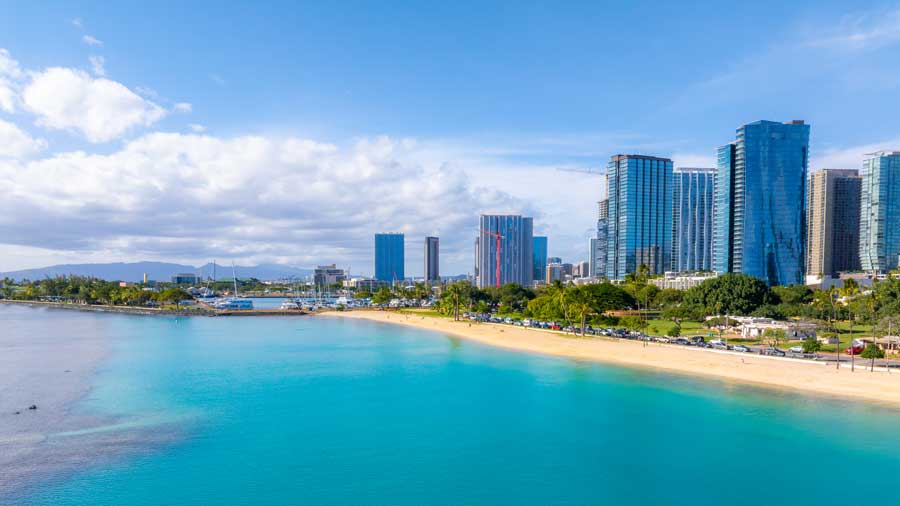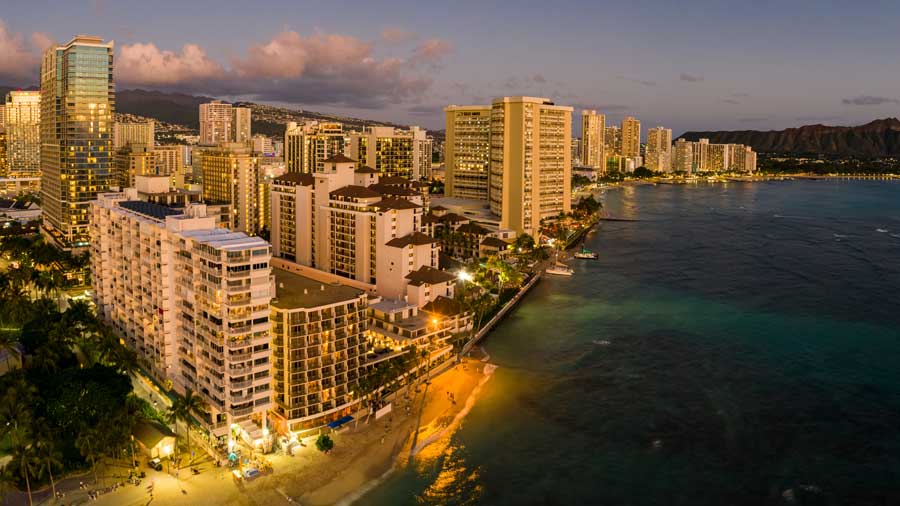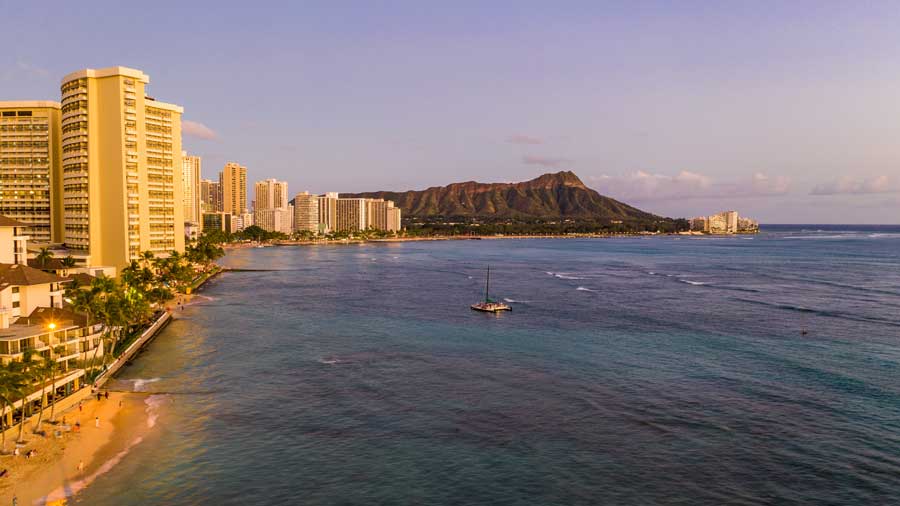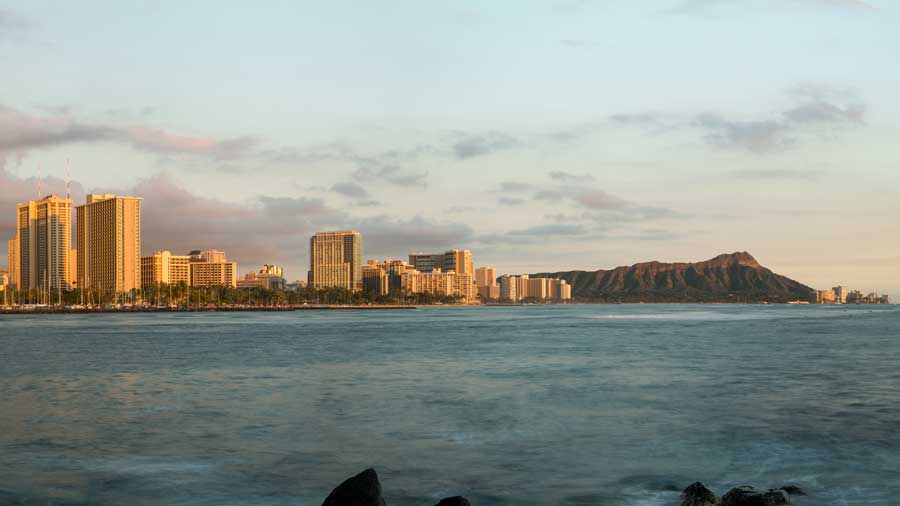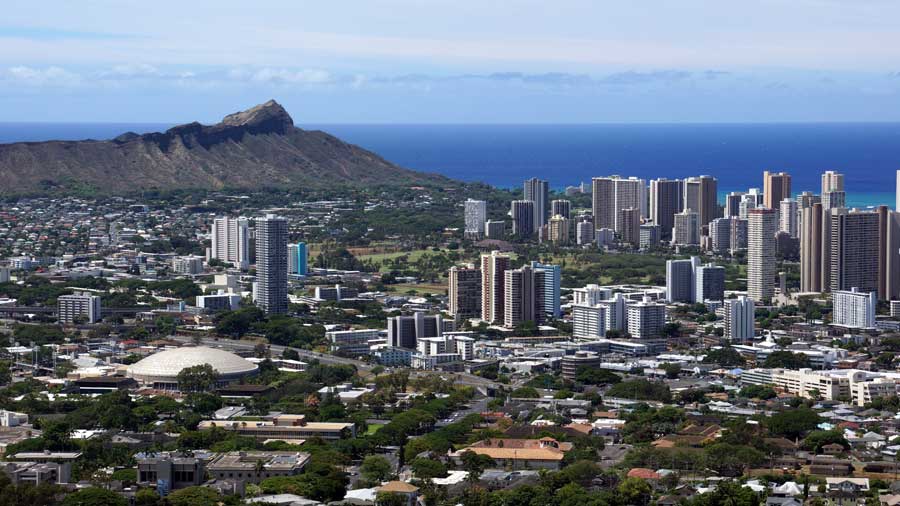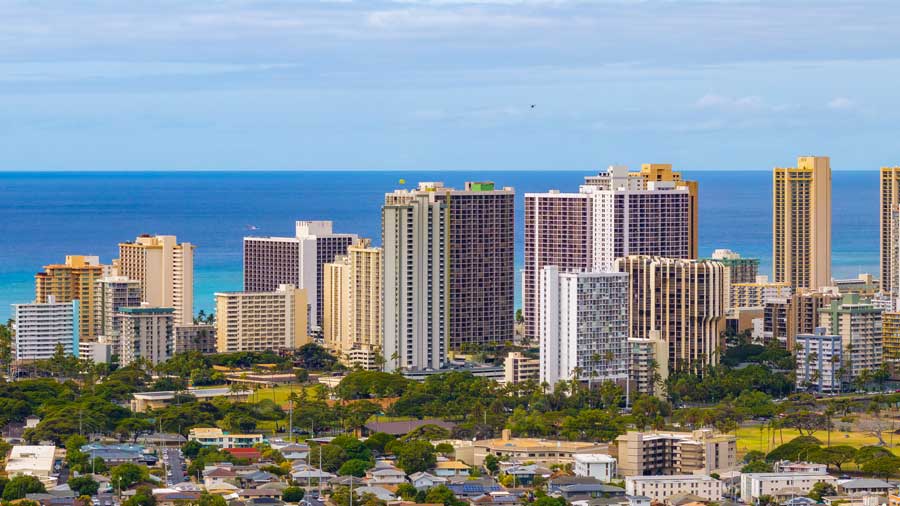
Waikiki and Honolulu from Tantalus overlook

The VA loan closing timeline for PCS buyers moving to Hawaii typically ranges from 30 to 45 days, but military relocation timelines can require faster coordination. Understanding the key steps in the VA loan process helps service members avoid delays and close on time before or after arriving on island.

If you’re reviewing total closing costs alongside timing, see the VA loan closing costs & timeline in Hawaii guide for a complete breakdown.

Quick Answer

Most VA loans close in 30–45 days, though some transactions for PCS buyers may close faster if documentation, appraisal scheduling, and underwriting conditions move smoothly.

TL;DR

VA loans typically close within 30–45 days. PCS buyers should prepare documents early, coordinate appraisal timelines, and work with experienced Hawaii VA professionals to avoid delays.

Typical VA Loan Closing Timeline for PCS Buyers

Here’s how the process usually unfolds after your offer is accepted.

Step 1: Offer Accepted (Day 1)

Once the purchase contract is signed:

  • Loan application is finalized
  • Escrow is opened
  • Appraisal is ordered

This officially starts the VA closing timeline.

Step 2: VA Appraisal Ordered (Days 3–10)

The VA appraisal confirms the property:

  • Meets minimum property requirements
  • Supports the agreed purchase price

In Hawaii, appraisal scheduling can sometimes take longer depending on island demand.

Step 3: Loan Processing & Documentation (Days 7–20)

Your lender collects and reviews documents such as:

  • LES or pay statements
  • Certificate of Eligibility (COE)
  • Tax returns (if applicable)
  • Bank statements

Fast COE verification is especially important for PCS timelines.

Step 4: Underwriting Review (Days 14–25)

The loan file goes through underwriting where the lender verifies:

  • Income stability
  • Debt-to-income ratio
  • Credit history
  • Property eligibility

Underwriting may request additional documents before issuing conditional approval.

Step 5: Clear to Close (Days 25–35)

Once all conditions are satisfied, the lender issues Clear to Close.

At this stage:

  • Closing disclosures are finalized
  • Signing appointments are scheduled
  • Escrow prepares final documents

Step 6: Signing & Recording (Days 30–45)

Buyers sign final loan documents with escrow.

After signing:

  • Documents are recorded with the county
  • Loan funds are released
  • Keys are delivered

This completes the VA loan closing process.

Can VA Loans Close Faster for PCS Moves?

Yes — in some situations.

With strong preparation, VA loans can sometimes close in 25–30 days.

Faster closings usually require:

  • Early document submission
  • Responsive communication
  • Experienced Hawaii VA professionals
  • Efficient appraisal scheduling

Military relocation timelines often benefit from proactive coordination.

Honolulu from Tantalus overlook on Oahu

Common Delays for PCS Buyers

Several factors can slow down VA loan closings.

Appraisal Scheduling

Limited appraisers in certain areas can add time.

Condo Project Approval

Some Hawaii condos require additional VA approval.

Documentation Gaps

Missing income or asset documentation may delay underwriting.

Repair Conditions

VA appraisals may require property repairs before closing.

Understanding VA allowable vs non-allowable fees and closing costs early can also prevent last-minute issues.

PCS Buyers: Tips to Speed Up Your VA Loan Closing

Military buyers can reduce delays by preparing early.

  • Apply for your loan before house hunting
  • Request COE verification early
  • Submit documents immediately
  • Coordinate PCS orders with your lender
  • Maintain clear communication with escrow

You can also estimate payments and cash-to-close using the Hawaii VA mortgage calculator.

Hawaii-Specific Closing Considerations

Hawaii operates as an escrow state, meaning escrow companies manage the closing process instead of attorneys.

Island-specific factors may affect timelines:

  • Title search coordination
  • County recording schedules
  • Condo association approvals
  • Appraisal availability

If relocating to Oahu, working with trusted preferred partners in Oahu can streamline the process.

VA Assumable Loans and PCS Buyers

Some military buyers consider assuming an existing VA loan with a lower interest rate.

However, assumptions often involve additional timelines depending on the loan servicer.

If exploring that option, review:

  • VA assumable loans in Hawaii
  • VA assumable loan equity gap strategies

Key Takeaways

  • VA loans usually close in 30–45 days
  • PCS buyers may close faster with strong preparation
  • Appraisal scheduling is the most common delay
  • Early document submission speeds up underwriting
  • Hawaii escrow processes can influence timing

Final Thoughts

PCS relocations already involve tight timelines, travel coordination, and major life transitions. Understanding the VA loan closing timeline helps military buyers plan ahead and avoid unnecessary stress.

While most VA loans close within 30–45 days, proactive preparation and experienced local guidance can often shorten the timeline and keep the process running smoothly.

For service members moving to Hawaii, the goal isn’t just closing on time — it’s doing so with confidence, clarity, and the right strategy for long-term homeownership.

Free VA PCS Homebuying Strategy Review

If you’re relocating to Hawaii and want clarity on:

  • VA loan closing timelines
  • PCS coordination strategies
  • Estimated closing costs
  • Seller concession negotiation
  • Assumable loan opportunities

Always putting clients and their families first, Elias is a Hawaii-based VA Loan Specialist dedicated to helping service members and veterans secure Hawaii VA home loans with fast COE support, clear step-by-step guidance, and competitive rates.

As a local Honolulu VA loan officer, you’ll receive transparent numbers, direct answers, and trusted VA loan guidance built specifically for Hawaii’s market.

No pressure. Just clarity.

Waikiki beach with Diamond Head and modern beach front building

VA seller concessions in Hawaii allow home sellers to cover certain buyer costs — up to 4% of the purchase price — helping military buyers reduce their upfront cash at closing. Understanding how the VA concession rules work can make a major difference in negotiations, especially in Hawaii’s higher-priced housing market.

If you’re reviewing all VA closing costs, start with the full VA loan closing costs & timeline in Hawaii guide.

Quick Answer

VA seller concessions allow sellers to pay up to 4% of the purchase price toward certain buyer costs. These concessions can cover items like the VA funding fee, prepaid expenses, and additional closing costs beyond standard allocations.

TL;DR

VA loans allow sellers to contribute up to 4% of the home price in concessions. These funds can reduce the buyer’s upfront costs but must follow VA guidelines.

What Are VA Seller Concessions?

VA seller concessions are extra costs a seller agrees to pay on behalf of the buyer beyond standard closing cost allocations.

They are designed to help veterans reduce the amount of cash needed to close.

Examples include:

  • VA funding fee
  • Prepaid property taxes
  • Homeowners insurance
  • Debt payoff
  • Collections or judgments
  • Additional closing cost assistance

These costs can significantly reduce the buyer’s out-of-pocket expenses.

The VA 4% Seller Concession Rule

VA guidelines limit seller concessions to:

4% of the purchase price

Example:

Home price: $800,000

Maximum concession allowed:

$32,000

That $32,000 can be used toward eligible costs that benefit the buyer.

Hawaiin coastline with mountain

What Seller Concessions Can Pay For

VA allows seller concessions to cover:

  • VA funding fee
  • Prepaid taxes and insurance
  • Debt payoff
  • Credit balances
  • Collections or judgments
  • Rate buydown costs
  • Additional buyer closing costs

These items can make a big difference in affordability for military buyers relocating to Hawaii.

What Seller Concessions Cannot Cover

Seller concessions cannot be used for:

Down payment

Price reductions disguised as concessions

Fees already counted as standard closing costs

Understanding this distinction prevents contract issues during underwriting.

For a detailed breakdown of fee limits, review VA allowable vs non-allowable fees explained.

Seller Concessions vs Closing Costs

This is one of the most misunderstood parts of VA loans.

Closing Costs

Standard transaction expenses like appraisal, escrow, and title.

Seller Concessions

Additional buyer benefits beyond normal closing costs.

Both can exist in the same transaction.

Example: VA Loan Purchase in Hawaii

Home price: $900,000

Estimated closing costs: $18,000

Seller concessions allowed:

4% of $900,000 = $36,000

Possible structure:

  • $18,000 closing costs paid by seller
  • $18,000 funding fee and prepaids

Result: dramatically lower buyer cash-to-close.

You can model payment scenarios using the Hawaii VA mortgage calculator.

Hawaii Negotiation Strategies

In Hawaii’s market, VA concessions may be negotiated when:

  • The property has been on the market longer
  • Buyers request repairs after inspection
  • Sellers want to attract military buyers
  • Interest rate buydowns are offered

Smart negotiation can dramatically reduce out-of-pocket costs.

If relocating to Oahu, experienced preferred partners in Oahu can help structure offers strategically.

VA Seller Concessions in Assumable Loans

When assuming a VA loan, concessions may still be negotiated to help cover:

  • Equity gap assistance
  • Closing costs
  • Transaction fees

If exploring this option, review:

Common Mistakes With VA Seller Concessions

  • Confusing concessions with closing costs
  • Exceeding the 4% cap
  • Not requesting concessions during negotiation
  • Waiting until underwriting to structure concessions
  • Not reviewing the Loan Estimate early

Planning ahead prevents delays and surprises.

Key Takeaways

  • VA allows sellers to contribute up to 4% of the purchase price
  • Concessions help reduce buyer cash-to-close
  • Funding fee and prepaids can be covered
  • Concessions are separate from closing costs
  • Proper negotiation makes a big difference in Hawaii’s market

Final Thoughts

In Hawaii’s higher-priced housing market, seller concessions can be one of the most powerful tools available to VA buyers. When structured correctly, they can significantly reduce the amount of cash required at closing while keeping the transaction fully compliant with VA guidelines.

Understanding how the 4% rule works — and how it fits into overall closing costs — allows military buyers and veterans to negotiate confidently and avoid unnecessary expenses.

With the right strategy and experienced VA loan guidance, VA seller concessions can help turn a challenging purchase into a smooth path to homeownership in paradise.

Free, No-Obligation VA Offer Strategy Review

If you’re preparing an offer in Hawaii and want clarity on:

  • Seller concession strategy
  • Closing cost negotiation
  • VA funding fee options
  • Structuring a competitive offer

Always putting clients and their families first, Elias is a Hawaii-based VA Loan Specialist dedicated to helping service members and veterans secure Hawaii VA home loans with fast COE support, clear step-by-step guidance, and competitive rates.

As a local Honolulu VA loan officer, you’ll receive transparent numbers, direct answers, and trusted VA loan guidance built specifically for Hawaii’s market.

No pressure. Just clarity.

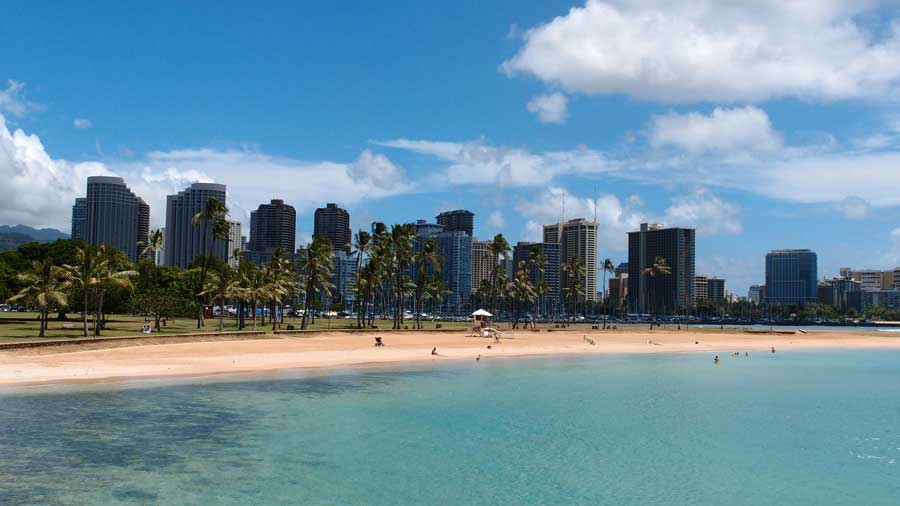
beach on magic island in Ala Moana beach park

Who pays closing costs on a VA loan in Hawaii depends on how the purchase contract is structured — but VA rules limit what veterans can be charged and allow sellers to cover many expenses. Understanding this breakdown can save Hawaii military buyers thousands at closing.

If you’re reviewing total estimated costs, start with the full VA loan closing costs & timeline in Hawaii guide for a complete overview.

Quick Answer

On a VA loan in Hawaii, buyers typically pay allowable lender fees, appraisal, and prepaid items. Sellers often pay non-allowable VA fees and may contribute up to 4% of the purchase price in seller concessions.

TL;DR

VA rules protect veterans from certain fees. In Hawaii, sellers frequently cover non-allowable fees and sometimes additional closing costs. Everything is negotiable within VA guidelines.

What Closing Costs Does the Buyer Pay on a VA Loan?

In Hawaii, VA buyers usually pay:

  • Appraisal fee
  • Credit report
  • Recording fees
  • Prepaid property taxes
  • Homeowners insurance
  • VA funding fee (unless exempt)
  • Allowable lender origination fee

However, many of these can be negotiated.

To understand fee restrictions, review VA allowable vs non-allowable fees explained.

What Closing Costs Does the Seller Pay?

In many Hawaii VA transactions, sellers pay:

  • Non-allowable VA fees
  • Certain escrow/settlement fees
  • Title insurance (negotiable by island custom)
  • Repair costs required by appraisal
  • Agreed seller concessions

VA guidelines prohibit certain fees from being charged to the veteran — meaning the seller or lender must absorb them.

How Much Can a Seller Contribute on a VA Loan?

VA allows sellers to contribute:

Up to 4% of the purchase price in concessions

This is separate from standard closing cost allocations.

Seller concessions can cover:

  • VA funding fee
  • Prepaid taxes & insurance
  • Debt payoff
  • Additional buyer closing costs

In Hawaii’s competitive market, structuring seller contributions properly can significantly reduce out-of-pocket expenses.

Ilikai hotel

Example: $800,000 Home in Hawaii

Let’s say:

  • Purchase price: $800,000
  • Estimated closing costs: $16,000

Scenario 1: No Seller Contribution
Buyer pays most allowable costs.

Scenario 2: Seller Pays $16,000 in Costs
Buyer brings little to no cash (excluding down payment, if any).

This flexibility is one of the biggest advantages of using a VA loan in Hawaii.

You can model payment differences using the Hawaii VA mortgage calculator.

Are Closing Costs Negotiable on a VA Loan?

Yes — absolutely.

Everything is negotiated in the purchase contract, including:

  • Who pays escrow
  • Who pays title
  • Repair credits
  • Concessions
  • Rate buydowns

VA rules only limit what veterans can be charged — not what sellers can agree to cover.

Hawaii-Specific Considerations

Hawaii operates as an escrow state, which means:

  • Escrow companies handle settlement
  • Fee splits vary slightly by island
  • Title insurance customs differ

Because Hawaii home prices are higher, even small percentage changes in closing costs can equal thousands of dollars.

If relocating to Oahu, working with trusted preferred partners in Oahu helps ensure contracts are structured properly from day one.

What About VA Assumable Loans?

In a VA assumption, cost allocation may look different depending on:

  • Loan servicer rules
  • Equity gap structure
  • Entitlement substitution

If considering that route, review:

Common Mistakes Buyers Make

  • Assuming VA means “no closing costs”
  • Not negotiating seller concessions
  • Confusing non-allowable fees with concessions
  • Waiting until the Closing Disclosure to question charges
  • Not reviewing the Loan Estimate early

Clarity early prevents stress at signing.

Key Takeaways

  • VA buyers can be charged allowable fees only
  • Sellers often pay non-allowable fees
  • Seller concessions up to 4% allowed
  • Everything is negotiable within VA guidelines
  • Proper structuring reduces cash-to-close

Final Thoughts

In Hawaii’s high-priced housing market, understanding who pays closing costs on a VA loan can make the difference between a manageable transaction and an unexpected cash crunch.

VA loans are designed to protect military buyers — but those protections only work when contracts are structured correctly. With strategic negotiation and experienced VA loan guidance, many Hawaii VA buyers reduce their upfront expenses significantly.

The key is clarity before you sign — not surprises at closing.

If you’re under contract or preparing an offer in Hawaii and want clarity on:

  • Who pays which closing costs
  • Seller concession strategy
  • Funding fee options
  • Timeline expectations

Always putting clients and their families first, Elias is a Hawaii-based VA Loan Specialist dedicated to helping service members and veterans secure Hawaii VA home loans with fast COE support, clear step-by-step guidance, and competitive rates.

As a local Honolulu VA loan officer, you’ll receive transparent numbers, direct answers, and trusted VA loan guidance built specifically for Hawaii’s market.

No pressure. Just clarity.

Waikiki shoreline with tourists in Honolulu Hawaii

VA allowable vs non-allowable fees determine what veterans can legally be charged when using a VA home loan in Hawaii. These rules protect military buyers from excessive lender and settlement costs — but many buyers (and even some agents) misunderstand how they work.

If you’re reviewing total closing costs, start with the full breakdown in the VA loan closing costs & timeline in Hawaii guide, then use this article to understand fee limits in detail.

Quick Summary

VA allowable fees are costs veterans are permitted to pay at closing, such as appraisal and recording fees. VA non-allowable fees cannot be charged to the veteran and must be paid by the lender or seller.

TL;DR

The VA limits what lenders can charge veterans. Certain processing, underwriting, and settlement fees are prohibited. Understanding the difference protects your money at closing.

What Are VA Allowable Fees?

VA allowable fees are costs the veteran is permitted to pay as part of the transaction.

These typically include:

  • Appraisal fee
  • Credit report fee
  • Recording fees
  • Prepaid property taxes
  • Homeowners insurance
  • Title insurance (negotiable in Hawaii)
  • Survey (if required)

Lenders may also charge:

  • A flat 1% origination fee

OR

  • Itemized lender fees (but not both structured improperly)

What Are VA Non-Allowable Fees?

VA non-allowable fees are charges that veterans are not permitted to pay.

If these fees appear, they must be covered by:

  • The seller
  • The lender
  • Or through concessions

Common VA Non-Allowable Fees:

  • Attorney fees (in some cases)
  • Settlement/escrow fees charged directly to veteran
  • Underwriting fees (if not included in 1% origination)
  • Processing fees (if structured improperly)
  • Document preparation fees
  • Application fees
  • Brokerage fees

These rules are designed to prevent “junk fees” from being passed to service members.

Waikiki shoreline with tourists in Honolulu Hawaii

Why This Matters in Hawaii

Hawaii is an escrow state, not an attorney state.

That means:

  • Escrow companies handle settlement
  • Fee splits can vary by island
  • Title insurance practices differ

Improper structuring can accidentally push non-allowable fees onto the buyer if the lender or escrow team isn’t VA-savvy.

Working with a local Honolulu VA loan officer helps ensure fee compliance from the start.

Can Sellers Pay VA Non-Allowable Fees?

Yes.

In fact, it’s common in Hawaii for sellers to cover certain settlement costs — especially in VA transactions.

This can be structured through:

  • Standard closing cost allocation
  • Seller concessions (up to 4%)
  • Negotiated credits

If you’re unsure who pays what, review the full VA loan closing costs in Hawaii guide.

VA Seller Concessions vs Non-Allowable Fees

This is where confusion often happens.

Non-Allowable Fees

These cannot be charged to the veteran — period.

Seller Concessions (Up to 4%)

These are optional and can include:

  • Funding fee
  • Prepaids
  • Debt payoff
  • Additional closing costs

Non-allowable fees are not counted against the 4% cap if structured properly.

VA Origination Fee Rule Explained

Lenders can either:

  • Charge a flat 1% origination fee

OR

  • Itemize reasonable lender fees

They cannot double-charge underwriting, processing, and admin fees on top of the 1% inappropriately.

This is one of the most misunderstood areas of VA lending.

Do Veterans Ever Pay “All” Closing Costs?

Technically, yes — but only allowable ones.

However, in Hawaii, it’s common to negotiate seller contributions to reduce out-of-pocket expenses.

You can estimate your total scenario using the Hawaii VA mortgage calculator.

Common Mistakes to Avoid

  • Assuming all lenders structure fees the same
  • Not reviewing the Loan Estimate carefully
  • Confusing concessions with non-allowable fees
  • Accepting vague fee explanations
  • Waiting until Closing Disclosure to question charges

Clear explanation early prevents stress later.

How This Impacts VA Assumable Loans

When assuming a VA loan, allowable vs non-allowable fee rules still apply — but structure may differ.

If exploring assumptions, review:

Fee structure can impact both the buyer and seller strategy.

Key Takeaways

  • VA strictly limits what veterans can be charged
  • Non-allowable fees must be covered by the seller or lender
  • Origination fee rules prevent junk charges
  • Hawaii escrow practices require careful structuring
  • Always review your Loan Estimate early

Final Thoughts

VA loans

are designed to protect service members — but those protections only work if the loan is structured properly.

Understanding VA allowable vs non-allowable fees ensures you don’t overpay and that your transaction stays compliant from application to closing.

In Hawaii’s high-cost housing market, small fee differences can equal thousands of dollars. Clear, local VA loan guidance ensures every fee is explained, justified, and structured correctly.

If you’re reviewing a Loan Estimate or preparing to close in Hawaii, I’m happy to walk through your fees with you.

Always putting clients and their families first, Elias is a Hawaii-based VA Loan Specialist dedicated to helping service members and veterans secure Hawaii VA home loans with fast COE support, clear step-by-step guidance, and competitive rates.

As a local Honolulu VA loan officer, you’ll receive transparent numbers, direct answers, and trusted VA loan guidance built specifically for Hawaii’s market.

No pressure. Just clarity.

building near Waikiki shoreline with tourists in Honolulu Hawaii

VA loan closing costs in Hawaii vary by island, escrow company, and transaction structure — but understanding who pays what and how long closing takes can save military buyers thousands. Whether you’re PCSing to Oahu or buying your first home in Honolulu, knowing the rules upfront prevents last-minute surprises.

This guide covers:

  • How much are VA loan closing costs in Hawaii
  • Who pays closing costs (buyer vs seller)
  • VA allowable vs non-allowable fees
  • VA seller concession limits
  • VA loan closing timeline in Hawaii
  • How to reduce your out-of-pocket costs

Quick Summary

VA loan closing costs in Hawaii typically range from 1%–3% of the purchase price, though many costs can be paid by the seller. Most VA loans close in 30–45 days, depending on appraisal, underwriting, and escrow timelines.

TL;DR

VA buyers in Hawaii pay limited allowable fees, while sellers often cover certain non-allowable costs. Closing typically takes 30–45 days. Proper structuring and seller concessions can significantly reduce upfront expenses.

Waikiki shoreline with tourists in Honolulu Hawaii

How Much Are VA Loan Closing Costs in Hawaii?

In Hawaii, VA loan closing costs generally fall between:

1% to 3% of the purchase price (excluding down payment, if any)

On a $800,000 home, that could range from $8,000–$24,000, but most buyers do not pay that full amount out of pocket.

Costs typically include:

  • Loan origination or flat lender fee
  • Appraisal fee
  • Title insurance
  • Escrow fees
  • Recording fees
  • Prepaid taxes and insurance
  • VA funding fee (if applicable)

You can estimate payments and prepaid items using the Hawaii VA mortgage calculator.

Who Pays Closing Costs on a VA Loan in Hawaii?

One of the biggest advantages of VA loans is flexibility in cost allocation.

Buyer Typically Pays:

  • Allowable lender fees
  • Appraisal
  • Credit report
  • Prepaid items
  • Funding fee (unless exempt)

Seller May Pay:

  • Non-allowable VA fees
  • Title insurance (negotiable in Hawaii)
  • Escrow fees (customary, varies by island)
  • Seller concessions up to 4%

VA Allowable vs Non-Allowable Fees

The VA strictly limits what veterans can be charged.

VA Allowable Fees:

  • 1% origination fee OR itemized lender fees
  • Appraisal
  • Recording fees
  • Credit report
  • Title services

VA Non-Allowable Fees (Seller Must Pay):

  • Attorney fees (if applicable)
  • Escrow settlement fees in some cases
  • Certain processing fees
  • Underwriting fees, if not structured properly

For a deeper understanding of assumption-related fees, review key facts about VA loan assumptions.

VA Seller Concessions in Hawaii

VA allows sellers to contribute up to:

4% of the purchase price in seller concessions

This is separate from standard closing costs.

Seller concessions can cover:

  • VA funding fee
  • Prepaid taxes & insurance
  • Debt payoff
  • Collections or judgments

In competitive Hawaii markets, structuring concessions properly can dramatically reduce your out-of-pocket expense.

panoramic view of Waikiki shoreline with tourists in Honolulu Hawaii

VA Funding Fee in Hawaii

Most VA buyers pay a funding fee unless exempt due to disability status.

Funding fee ranges:

  • 2.15% (first use, <5% down)
  • 3.3% (subsequent use, <5% down)

It can be:

  • Paid at closing
  • Rolled into the loan

VA Loan Closing Timeline in Hawaii

Most VA loans in Hawaii close in:

30–45 days

However, timelines vary depending on:

  • VA appraisal scheduling
  • Underwriting conditions
  • Escrow coordination
  • Condo approval (if applicable)
  • PCS urgency

Typical Timeline Breakdown

  1. Offer Accepted
  2. Appraisal Ordered (7–14 days)
  3. Underwriting Review
  4. Conditional Approval
  5. Clear to Close
  6. Final Signing
  7. Recording & Funding

PCS buyers should start early to avoid delays.

Hawaii-Specific Escrow Differences

Hawaii operates as an escrow state, not an attorney state.

That means:

  • Escrow companies manage document signing
  • Title insurance plays a major role
  • Customs vary slightly by island

If relocating to Oahu, working with trusted preferred partners in Oahu can streamline closing.

How to Lower VA Loan Closing Costs

Smart strategies include:

  • Negotiating seller-paid closing costs
  • Maximizing VA concessions
  • Comparing lender fee structures
  • Rolling funding fee into the loan
  • Structuring assumption vs new VA loan comparisons

If exploring an assumable option, compare total costs using the guide to VA assumable loans in Hawaii.

view of Waikiki shoreline with tourists in Honolulu Hawaii

Common Closing Delays in Hawaii

  • Incomplete documentation
  • Appraisal condition repairs
  • Condo project approval issues
  • Title clearance issues
  • Entitlement restoration delays

Understanding VA loan entitlement rules for assumptions can prevent last-minute surprises.

Key Takeaways

  • VA closing costs in Hawaii typically range from 1–3%
  • Sellers can pay non-allowable fees
  • Seller concessions up to 4% allowed
  • Funding fee may be financed
  • Most VA loans close in 30–45 days
  • Strategic structuring reduces out-of-pocket costs

Final Thoughts

In Hawaii’s high-priced housing market, every dollar at closing matters. The good news? VA loans are one of the most buyer-protective mortgage programs available.

When structured properly, VA seller concessions, allowable fee rules, and funding fee flexibility can significantly reduce your upfront costs — without sacrificing long-term financial stability.

Closing successfully in Hawaii requires precision, coordination, and clear expectations. With the right strategy and experienced VA loan guidance, you can move from accepted offer to keys in hand with confidence.

If you’re buying in Hawaii and want clarity on:

  • Estimated VA loan closing costs
  • Seller concession strategy
  • Timeline expectations
  • PCS coordination
  • Assumption vs. new VA loan comparisons

Always putting clients and their families first, Elias is a Hawaii-based VA Loan Specialist dedicated to helping service members and veterans secure Hawaii VA home loans with fast COE support, clear step-by-step guidance, and competitive rates.

As a local Honolulu VA loan officer, you’ll receive straightforward answers, transparent numbers, and strategic VA loan guidance built specifically for Hawaii’s market — not generic mainland advice.

No pressure. Just trusted local expertise to help make your dream of living in paradise a reality.

Waikiki and Honolulu from Tantalus overlook on Oahu

Confused about VA loan entitlement and assumptions? Learn how entitlement works in Hawaii, restoration rules, and how to protect your benefits.

VA loan entitlement rules for assumptions in Hawaii determine whether a seller keeps or restores their VA benefits when a buyer takes over their mortgage. Understanding how entitlement works is critical before agreeing to a VA loan assumption.

If you’re new to assumptions, start with this complete guide to VA assumable loans in Hawaii, then use this article as your deep-dive resource.

Quick Summary

When a VA loan is assumed, the seller’s entitlement remains tied to the property unless the buyer is also VA-eligible and substitutes their entitlement. Without substitution, the seller may lose some or all of their future VA purchasing power until the loan is paid off.

TL;DR

VA entitlement represents the amount the VA guarantees on your loan. During a VA assumption, entitlement may transfer to the buyer or stay tied up — depending on eligibility. Protecting entitlement is the most important step in any VA assumption transaction.

What Is VA Loan Entitlement?

VA loan entitlement

is the amount the Department of Veterans Affairs guarantees to your lender.

It allows eligible service members and veterans to:

  • Buy with $0 down (within limits)
  • Avoid PMI
  • Access competitive rates

There are two main types:

1. Basic Entitlement

$36,000 (used for loans under $144,000)

2. Bonus (Tier 2) Entitlement

Covers higher loan amounts — especially important in Hawaii’s higher-cost housing market.

In Hawaii, most buyers use bonus entitlement due to higher home prices.

view of Waikiki and Honolulu from Tantalus overlook on Oahu

How VA Entitlement Works in a Loan Assumption

This is where many sellers make mistakes.

When someone assumes your VA loan:

Scenario 1: Buyer Is VA-Eligible

  • Buyer substitutes their entitlement
  • Seller’s entitlement is restored
  • Seller can reuse VA benefits immediately

This is the ideal scenario.

Scenario 2: Buyer Is NOT VA-Eligible

  • Seller’s entitlement remains tied to the property
  • Seller’s ability to use VA benefits again may be reduced
  • Restoration only happens after the loan is paid off

This is why understanding entitlement is critical before approving an assumption.

For general assumption mechanics, review the key facts about VA loan assumptions.

Can You Restore VA Entitlement After an Assumption?

Yes — but only under certain conditions.

Full Restoration Happens When:

  • The buyer substitutes their VA entitlement
    OR
  • The loan is fully paid off

One-Time Restoration Option

Veterans may qualify for a one-time restoration of entitlement if:

  • The home is sold
  • The loan is paid off
  • You agree not to use that restored entitlement again

However, this does not apply if your entitlement remains tied up in an assumption without substitution.

spectacular view of Honolulu city Oahu

Hawaii-Specific Entitlement Considerations

Because Hawaii home values are higher than the national average:

  • Even partial entitlement loss can significantly impact borrowing power
  • PCS moves make quick entitlement reuse important
  • Strategic planning is essential for military families

If you’re relocating and exploring options, review available VA assumable loan homes for sale in Hawaii before making a decision.

You can also model your future borrowing power using the Hawaii VA mortgage calculator.

Common Entitlement Mistakes to Avoid

Allowing a non-VA buyer to assume your loan without understanding the consequences

  • Assuming entitlement restores automatically
  • Not confirming substitution approval in writing
  • Overlooking how partial entitlement affects the next purchase

These mistakes can delay your next home purchase — especially during a PCS move.

Is It Ever Smart to Let a Non-VA Buyer Assume?

Sometimes — but only if:

  • You don’t plan to use your VA benefit again
  • You have sufficient remaining entitlement
  • The financial trade-off makes sense

This requires careful review of your Certificate of Eligibility (COE) and current entitlement usage.

That’s where professional VA loan guidance becomes invaluable.

Key Takeaways

  • VA entitlement determines how much the VA guarantees on your loan
  • During an assumption, entitlement may transfer — or remain tied up
  • Substitution of entitlement protects the seller
  • Hawaii’s high home values make entitlement planning critical
  • Never approve an assumption without understanding restoration rules

Final Thoughts

VA loan assumptions can create powerful opportunities — but entitlement is the hidden variable that determines whether the move strengthens or weakens your long-term buying power.

In Hawaii’s competitive and high-value market, protecting your entitlement is just as important as securing a low interest rate. Before agreeing to an assumption, make sure you understand whether substitution will occur, how much entitlement remains, and how it affects your next purchase.

With proper planning and experienced VA loan guidance, you can structure an assumption that preserves your benefits and positions you for future success.

Kapahulu town in Honolulu with assumable houses

VA assumable loans in Hawaii allow eligible buyers to take over a seller’s low-interest VA mortgage,  often saving thousands in today’s higher-rate market. For military members and veterans, this can be one of the most powerful strategies available in a rising-rate environment.

If you’re actively searching, review this guide to finding VA assumable loan homes for sale in Hawaii
to locate real opportunities.

This guide answers the most common questions:

  • How to buy a VA assumable loan?
  • Can the military buy a house in Hawaii?
  • Does VA have assumable loans?
  • Is it difficult to assume a VA mortgage?

Quick Summary

A VA assumable loan allows a qualified buyer to take over an existing VA mortgage, including its interest rate and remaining term. Military members can buy homes in Hawaii using a VA loan, and assumptions are possible with lender approval and proper entitlement handling.

TL;DR

Yes, VA loans are assumable. Military members can buy homes in Hawaii using VA benefits. Assuming a VA mortgage can lock in a lower interest rate, but it requires qualification, equity planning, and careful management of VA entitlement.

Does VA Have Assumable Loans?

Yes — VA loans are assumable as long as the buyer qualifies with the current loan servicer.

For a detailed breakdown of timelines and eligibility, review these key facts about VA loan assumptions.

When you assume a VA loan, you take over:

  • Remaining loan balance
  • Interest rate
  • Monthly payment
  • Remaining term

In Hawaii’s higher-priced housing market, keeping a 2–3% interest rate instead of 6–7% can dramatically reduce long-term costs.

Kapahulu town in Honolulu with homes and condos

How to Buy a VA Assumable Loan

Step 1: Find the Right Property

Not all listings advertise it clearly. You’ll need targeted searches and experienced representation.

Start with this guide to VA assumable loan homes for sale in Hawaii to understand how to uncover real opportunities.

Step 2: Review the Existing Loan Terms

You’ll need:

  • Current loan balance
  • Interest rate
  • Monthly payment
  • Remaining term

To compare numbers accurately, use the Hawaii VA mortgage calculator to see how an assumable loan compares to today’s rates.

Step 3: Prepare for the Equity Gap

Example:

  • Seller’s loan balance: $500,000
  • Purchase price: $650,000
  • Buyer brings: $150,000 difference

In Hawaii, appreciation often creates significant equity gaps — this is the biggest challenge in most assumptions.

Step 4: Apply With the Loan Servicer

You must qualify directly with the seller’s mortgage servicer. They will evaluate:

  • Credit score
  • Debt-to-income ratio
  • Income stability
  • VA eligibility (if applicable)

Approval is required before the assumption can move forward.

Step 5: Protect VA Entitlement

If the buyer is VA-eligible, entitlement can transfer.

If the buyer is not VA-eligible, the seller’s entitlement may remain tied to the property — potentially limiting future VA use.

This is where proper VA loan guidance becomes critical to avoid long-term mistakes.

Front yard of Waimanalo beach house

Can the Military Buy a House in Hawaii?

Yes — active duty service members, veterans, and eligible surviving spouses can absolutely buy homes in Hawaii using a VA loan.

VA loan benefits include:

  • $0 down payment (within entitlement limits)
  • No PMI
  • Competitive interest rates
  • Flexible credit guidelines

If you’re relocating to Oahu or another island, working with trusted preferred partners in Oahu can help streamline the process and align with military timelines.

Is It Difficult to Assume a VA Mortgage?

It’s not automatic — but it’s absolutely possible.

Challenges:

  • Equity gap funding
  • Servicer approval process
  • Entitlement protection
  • 60–90 day timeline

What Makes It Easier:

  • Strong credit
  • Stable income
  • VA eligibility
  • Proper structuring from the start

Running both the assumption and the new loan scenarios using the Hawaii VA mortgage calculator helps determine the smartest move.

Key Takeaways

  • VA loans are assumable
  • Military members can buy homes in Hawaii
  • Assumptions allow buyers to keep low interest rates
  • Equity gaps are the primary obstacle
  • Entitlement must be handled carefully
  • Local VA expertise protects both sides

Final Thoughts

Final Thoughts

With Hawaii’s high home prices and rising mortgage rates, buyers can’t afford to overlook smart financing strategies. VA assumable loans offer a rare opportunity to step into a low-rate mortgage — potentially saving thousands over the life of the loan, while others are locked into today’s higher rates.

These opportunities don’t always last. By using targeted search strategies and identifying active VA assumable loan homes for sale in Hawaii, you can position yourself ahead of competing buyers.

Partnering with experienced professionals — including trusted preferred partners in Oahu — ensures you move efficiently and protect your entitlement.

Before making a move, review the key facts about VA loan assumptions and compare payment scenarios using the Hawaii VA mortgage calculator. Acting with clarity — and the right VA loan guidance
— can mean the difference between securing a low-rate opportunity and missing it.

In today’s competitive Hawaii market, assuming a VA loan could be your strategic advantage — and your path to owning a piece of paradise.

aerial view of Waikiki beach Honolulu and Diamond Head Crater

HOA fees in Hawaii VA mortgage payments are one of the most overlooked factors when veterans estimate their true monthly housing cost.

Quick Summary

HOA fees in Hawaii are not included in VA mortgage payments but must be paid monthly and can significantly impact affordability. Many Hawaii condos have HOA fees ranging from several hundred to over $1,000 per month, making them a critical factor in VA loan planning.

TL;DR

  • HOA fees are not part of your VA loan
  • They must be added to your monthly payment manually
  • Hawaii condos often have high HOA dues
  • Ignoring HOA fees leads to affordability surprises
  • VA condo approval also matters

HOA Fees in Hawaii and VA Mortgage Payments

For veterans buying a home in Hawaiʻi, especially a condo, HOA fees can matter just as much as the mortgage itself. While VA loans offer powerful benefits like zero down and no PMI, HOA dues are a separate monthly obligation that can dramatically change affordability.

Understanding how HOA fees interact with VA mortgage payments is essential before making an offer.

What Are HOA Fees?

HOA (Homeowners Association) fees are monthly dues paid to maintain shared property elements such as:

  • Building exterior
  • Roofs and elevators
  • Landscaping and common areas
  • Amenities like pools, gyms, and security
  • Building insurance (in some cases)

In Hawaii, where condos and townhomes dominate many markets, HOA fees are extremely common.

Are HOA Fees Included in VA Mortgage Payments?

No.

HOA fees are not included in your VA mortgage payment.

Important distinctions:

  • VA mortgage payment = principal + interest + taxes + insurance
  • HOA fees = separate monthly expense
  • HOA dues are not escrowed by the lender

This means your true monthly housing cost is:

VA mortgage payment + HOA fees

Any calculator that doesn’t allow you to add HOA dues will underestimate your real payment.

Waikiki beach and Diamond Head in Honolulu Hawaii

Why HOA Fees Are Higher in Hawaii

Several factors make Hawaii HOA fees higher than those on the mainland:

1. Condo-Dominant Housing Market

In places like Honolulu, Waikīkī, and urban Maui, condos are far more common than single-family homes.

2. Aging Buildings

Many Hawaii condos are older and require:

  • Elevator maintenance
  • Structural upgrades
  • Deferred maintenance repairs

3. Insurance Costs

HOAs often carry:

  • Master hazard insurance
  • Windstorm or hurricane coverage

Rising insurance premiums are passed directly to owners.

4. Utilities & Amenities

Some HOAs include:

  • Water and sewer
  • Trash
  • Cable or internet
  • Security or on-site management

While helpful, these add to monthly dues.

Typical HOA Fee Ranges in Hawaii

While every building is different, common ranges include:

  • Low-rise condos: $300–$600/month
  • Mid-rise buildings: $500–$900/month
  • High-rise or resort-style condos: $800–$1,500+ per month

In some luxury or older buildings, HOA fees can exceed the mortgage payment itself.

How HOA Fees Affect VA Loan Affordability

Lenders must ensure borrowers can afford total monthly obligations, not just the mortgage.

HOA fees affect:

  • Debt-to-income (DTI) ratio
  • Maximum home price you qualify for
  • Comfort level with monthly cash flow

A veteran might qualify for the loan, but still feel stretched once HOA fees are factored in.

VA Condo Approval Matters

Even if you can afford the HOA fees, the condo itself must be VA-approved.

Key points:

  • Not all condos qualify for VA financing
  • Approval depends on HOA financial health
  • Special assessments can raise red flags

This is a common roadblock in Hawaii and should be checked early.

Why Generic VA Calculators Miss HOA Fees

Most national VA mortgage calculators:

  • Do not ask for HOA fees
  • Assume single-family homes
  • Underestimate the true monthly cost in Hawaii

To avoid surprises, veterans should use a Hawaii VA mortgage calculator and manually add HOA dues for a realistic estimate.

How to Estimate VA Payments With HOA Fees (Correctly)

To get an accurate number:

  1. Calculate your VA mortgage payment
  2. Add monthly HOA dues
  3. Include insurance and property taxes
  4. Stress-test the number against your budget

This approach prevents payment shock after closing.

Key Takeaways

  • HOA fees are a major part of Hawaii housing costs
  • They are not included in VA mortgage payments
  • Condos often carry high monthly dues
  • VA condo approval is just as important as affordability
  • Accurate calculators matter in Hawaii

Always putting clients and their families first. As a well-reviewed VA loan specialist in Hawaii, Elias helps veterans factor in HOA fees, condo rules, and real monthly costs before they commit—clear guidance, local insight, and no pressure.

For trusted VA loan guidance, explore your options and see how HOA fees impact your true monthly payment.

Waikiki beachfront scene with turquoise waters and urban skyline

Hawaii VA loan costs play a major role in determining monthly mortgage payments, often more than the interest rate alone.

Quick Summary

Hawaii VA loan costs include property taxes, homeowners insurance, HOA fees, flood insurance, and local risk factors such as wind and lava zones. These costs vary by island and property type and must be included to accurately estimate monthly VA loan payments.

TL;DR

  • Hawaii VA loan payments are affected by more than just the loan amount and rate
  • HOA fees and insurance costs are major factors in Hawaiʻi
  • Property taxes are low, but still vary by county
  • Generic calculators often miss Hawaii-specific costs
  • A Hawaii VA mortgage calculator gives the most accurate estimate

Hawaii VA Loan Costs That Affect Monthly Payments

When buying a home with a VA loan in Hawaiʻi, many veterans focus on interest rates and purchase price. While those matters, Hawaii VA loan costs like HOA fees, insurance, and local risk factors often have a bigger impact on monthly affordability than buyers expect.

Understanding these costs upfront helps you avoid surprises and calculate payments accurately.

1. Hawaii Property Taxes and VA Loan Payments

Hawaiʻi has some of the lowest property tax rates in the country, but taxes still affect your monthly VA loan payment because they’re typically escrowed.

What matters most:

  • County-specific tax rates
  • Owner-occupied vs non-owner-occupied classifications
  • Home value and exemptions

County considerations:

  • Honolulu County – Lower rates for owner-occupants
  • Maui County – Varies by location and classification
  • Hawaiʻi County (Big Island) – Different rates by district
  • Kauaʻi County – Competitive but still escrowed monthly

Even with low rates, property taxes can add hundreds per month, depending on home value.

These should always be included when using a Hawaii VA mortgage calculator.

2. HOA Fees in Hawaii (One of the Biggest Cost Factors)

HOA fees are one of the most underestimated Hawaii VA loan costs.

Important facts:

  • HOA fees are not included in your mortgage
  • They must be paid monthly, separately
  • Many Hawaii condos exceed $500–$1,000+ per month

Why this matters:

  • Condos dominate Hawaii’s housing market
  • VA loan approval also depends on condo eligibility
  • Ignoring HOA fees leads to inaccurate affordability estimates

Any serious VA payment estimate in Hawaii must manually include HOA dues.

3. Homeowners Insurance Costs in Hawaii

Homeowners insurance in Hawaiʻi is heavily influenced by geography and natural risk.

Factors that affect cost:

  • Wind and hurricane exposure
  • Proximity to the ocean
  • Lava hazard zones (Big Island)
  • Building age and construction type

Insurance premiums are usually escrowed and included in your VA mortgage payment, meaning higher premiums = higher monthly payments.

This is a major reason mainland-based calculators understate Hawaii VA loan payments.

4. Flood Zones and Supplemental Insurance

Some Hawaii properties fall within FEMA-designated flood zones.

Key points:

  • Flood insurance may be required by the lender
  • Costs vary by elevation and zone
  • Can add a significant monthly expense

Flood insurance is separate from homeowners insurance and must be added to any accurate VA loan payment calculation.

5. Local Utility & Cost-of-Living Reality (Expectation Setting)

While not part of your mortgage payment, Hawaii’s cost of living affects overall affordability.

Buyers should factor in:

  • Higher electricity costs
  • Water and sewer differences by county
  • Maintenance costs tied to salt air and humidity

Understanding total monthly obligations helps buyers choose the right payment range—not just qualify for the maximum loan.

6. Why Generic VA Calculators Miss Hawaii Costs

Many online VA calculators:

  • Ignore HOA fees entirely
  • Underestimate insurance premiums
  • Use average mainland tax assumptions

This results in payment shock later in the process.

Using a Hawaii-specific VA mortgage calculator ensures:

  • Accurate tax assumptions
  • HOA inclusion
  • Insurance realism
  • VA funding fee scenarios

Key Takeaways

  • Hawaii VA loan costs go beyond interest and principal
  • HOA fees and insurance often drive monthly payments
  • Property taxes are low but still meaningful
  • Flood zones and local risks matter
  • Local calculators produce better estimates

Always putting clients and their families first. As a well-reviewed VA loan specialist in Hawaii, Elias helps service members and veterans understand the true cost of homeownership—clear numbers, local insight, and no pressure.

For trusted VA loan guidance, explore your options and see what monthly payment makes sense for your situation.

Kualoa regional park

Understanding how VA loan payments are calculated in Hawaii helps veterans accurately estimate monthly costs and avoid surprises when buying a home.

Quick Summary

VA loan payments in Hawaii are calculated using the loan amount, interest rate, loan term, property taxes, homeowners insurance, HOA fees, and the VA funding fee. Unlike conventional loans, VA loans have no PMI, which often results in lower monthly payments.

TL;DR

  • VA loan payments include principal, interest, taxes, insurance, HOA, and funding fee
  • No PMI makes VA loans cheaper than conventional loans
  • Hawaii-specific costs like property taxes and HOAs matter
  • A Hawaii VA mortgage calculator gives the most accurate estimate

Kualoa regional park

How VA Loan Payments Are Calculated in Hawaii

VA loan payments are built from several components working together. While the structure is similar nationwide, Hawaii-specific costs—like property taxes and HOA dues—play a larger role than many buyers expect.

1. Loan Amount (Principal)

The loan amount is the purchase price minus any down payment (often $0 for VA loans). Because VA loans allow 100% financing, the full purchase price is usually used in payment calculations.

2. Interest Rate

Your interest rate has the biggest impact on monthly payments.

Factors affecting VA rates in Hawaii:

  • Credit profile
  • Market conditions
  • Loan type (purchase vs refinance)
  • Rate lock timing

Even small rate changes can swing payments by hundreds of dollars in Hawaii’s price ranges.

3. Loan Term (30-Year vs 15-Year)

  • 30-year VA loans = lower monthly payment
  • 15-year VA loans = higher payment but less interest paid

Most Hawaii buyers choose 30-year terms to manage cash flow.

4. Hawaii Property Taxes

Hawaii has some of the lowest property tax rates in the U.S., but they still vary by county.

Counties to account for:

  • Honolulu County
  • Maui County
  • Hawaii County
  • Kauai County

Property taxes are usually escrowed and included in your monthly VA payment estimate.

5. Homeowners Insurance

Insurance costs depend on:

  • Location
  • Wind zones
  • Lava hazard zones
  • Proximity to the coast

In some areas, insurance can materially affect monthly payments and must be included in any accurate calculation.

6. HOA Fees (Big in Hawaii)

Condos are common in Hawaii, and HOA fees are not optional.

Important:

  • HOA fees are not included in the loan
  • They must be added to your monthly payment manually
  • Some HOAs exceed $1,000/month

This is where many online calculators fall short.

7. VA Funding Fee

The VA funding fee helps keep the VA loan program running.

Key points:

  • Can be financed into the loan
  • Varies by usage and down payment
  • Waived for eligible disabled veterans

When financed, it slightly increases the loan amount and the monthly payment.

Kualoa regional park

Why VA Loan Payments Are Often Lower Than Expected

VA loans eliminate private mortgage insurance (PMI), which can save Hawaii buyers hundreds per month compared to conventional loans.

That single benefit often offsets higher purchase prices.

Use a Hawaii VA Mortgage Calculator for Accuracy

Because of Hawaii’s unique cost structure, generic calculators often understate true payments.

Use a Hawaii VA mortgage calculator to:

Include property taxes

  • Add HOA fees
  • Account for the VA funding fee
  • Compare scenarios instantly

Key Takeaways

  • VA loan payments include more than just principal and interest
  • HOA fees and insurance matter more in Hawaii
  • No PMI is a major VA loan advantage
  • Local calculators give the most accurate estimates

Always putting clients and their families first. As a VA Loan Specialist in Hawaiʻi, Elias helps service members and veterans understand their true buying power with clear steps and accurate numbers.

For trusted VA loan guidance, you can explore your payment options and see what works best for your situation—no pressure, just clarity.